










The Complete Jewelry Buying Guide: How to Shop Smarter in 2026
HyraModeThe difference between jewelry you love and jewelry you regret is almost never about taste. It is about information.
Most jewelry purchases go wrong for the same reason: the buyer did not know what to look for. The photos looked great. The price seemed right. The reviews were vague but positive. And then the necklace arrived, and it was lighter than expected, duller than the photos, and started tarnishing within a month.
In 2026, buying jewelry — especially online — requires a different kind of literacy. You need to understand materials, construction, plating methods, and the difference between marketing language and actual quality. This guide gives you that literacy so you never waste money on jewelry that disappoints again.

Step 1: Understand What You Are Actually Buying
The single most important thing when buying jewelry is knowing what the piece is actually made of. Not what the listing says in bold text — what the fine print reveals.
Three questions to ask before any purchase:
- What is the base metal? (Stainless steel, brass, copper, zinc alloy?)
- What is the plating method? (PVD, electroplating, flash plating, vermeil?)
- What is the expected durability? (Months? Years? Can it handle water?)
If a brand cannot answer these three questions clearly, they are either hiding something or they do not know their own product. Either way, proceed with caution.
Step 2: Learn the Material Hierarchy
Not all gold jewelry is the same. Here is the hierarchy from most durable to least durable:
| Material | Durability | Water Safe? | Price Range |
|---|---|---|---|
| Solid 18k/24k Gold | Lifetime | Yes | $200-$5,000+ |
| 18k Gold PVD on Stainless Steel | 3-5+ years daily wear | Yes | $10-$30 |
| Gold Filled | 10-30 years with care | Mostly | $30-$100 |
| Gold Vermeil | 1-3 years with care | No | $30-$80 |
| Gold Plated on Brass | 3-12 months | No | $5-$25 |
| Gold Tone | Weeks | No | $1-$10 |
For a deep dive into plated vs filled vs PVD, read our complete comparison guide.

Step 3: Know the Red Flags
These are the warning signs that a jewelry listing is not what it seems:
- "Gold tone" — no real gold involved
- No base metal listed — hiding lower-quality alloys
- "skin-conscious" with no specifics — unregulated term
- Stock photos only — the real product may look different
- No return policy — they know the product disappoints
- Reviews mentioning "green skin" or "fading" — the most honest signal
- Extremely low price with no material info — if it costs $3, it will perform like $3
Step 4: Choose the Right Pieces for Your Lifestyle
The best jewelry purchase is not the most beautiful piece. It is the piece that fits your actual life.
If you shower in your jewelry: you need PVD on stainless steel. Anything else will degrade.
If you work out in your jewelry: you need smooth, snag-free pieces — huggies over hoops, flat bracelets over bangles.
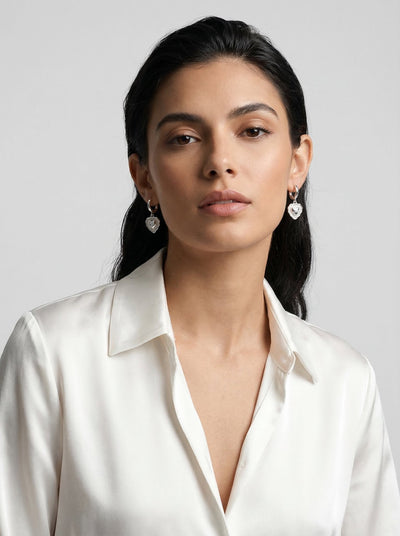
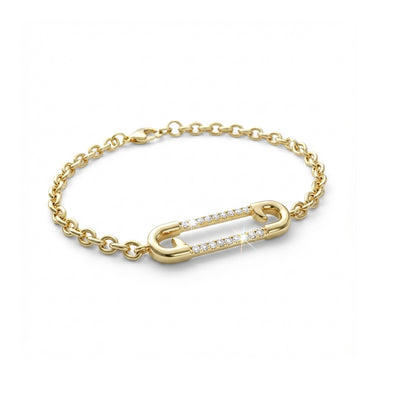
If you never take your jewelry off: durability and comfort matter more than anything else. The Pilo Huggies and Hana Herringbone Bracelet are designed for exactly this.
If you rotate pieces daily: invest in a small capsule of 5-7 versatile pieces. Read our Capsule Jewelry Wardrobe guide.

Step 5: Understand Pricing
Price is not a reliable indicator of quality in the everyday jewelry market. A $50 necklace with flash plating on brass can be outperformed by a $15 necklace with PVD on stainless steel.
What you are really paying for:
- Brand markup — some brands charge 3-5x for the same materials
- Material quality — the base metal and plating method
- Construction — clasp quality, chain link precision, hinge engineering
- Design — original designs cost more than copies
The sweet spot in 2026 for quality daily wear jewelry is $10-$20. Below that, quality drops sharply. Above that, you are often paying for branding rather than better materials.
Step 6: Read Reviews Strategically
Not all reviews are equal. Here is how to read them like a smart buyer:
- Ignore 5-star reviews with no detail — they are often incentivized
- Focus on 3-4 star reviews — these tend to be the most honest and balanced
- Search for keywords: "tarnish," "fade," "green," "clasp broke," "lighter than expected"
- Check photo reviews — real customer photos reveal what stock images hide
- Look at reviews after 1-3 months — early reviews only reflect first impressions

Step 7: Buy for Cost-Per-Wear, Not Cost-Per-Piece
The real value of jewelry is measured in how many times you wear it, not how little you paid.
$8 earring worn 5 times = $1.60/wear
$15 earring worn 500 times = $0.03/wear
The "expensive" earring is actually 53x cheaper per use. This is the most important mental shift you can make as a jewelry buyer: think in terms of wears, not dollars.
Step 8: Start with the Foundation Pieces
If you are building a jewelry collection from scratch, do not buy randomly. Start with the pieces that cover the most ground:
- One pair of compact huggies — Pilo or Ciru
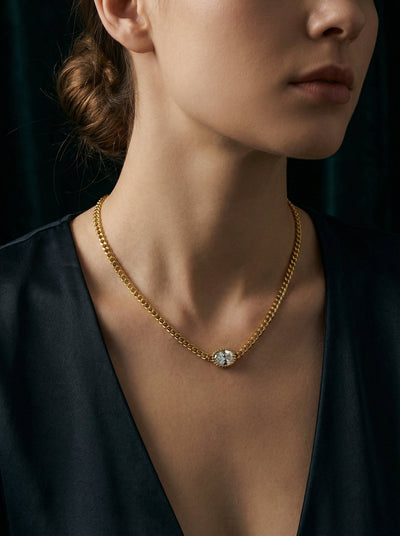
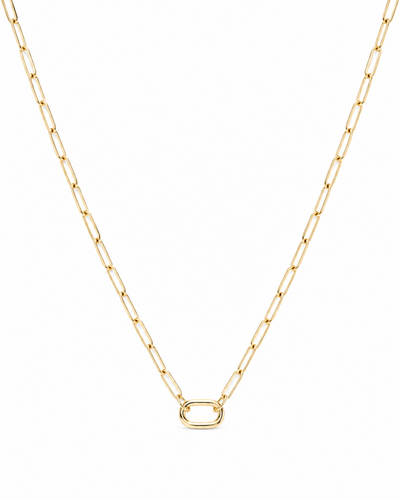
- One dainty pendant — Mevi or Vela
- One flat bracelet — Hana or Arlo
- One pair of refined hoops — Aura Oval Hoops
- One symbolic or trendy piece — Remy or Stelle
These five pieces create dozens of outfit combinations and cover every occasion from work to weekends to evenings.

Step 9: Know When to Spend More
everyday jewelry is perfect for daily wear. But some occasions call for a bigger investment:
- Engagement or wedding jewelry — this is where solid gold or platinum makes sense
- Heirloom pieces — if you want it to last 50+ years, invest in precious metals
- Special milestone gifts — anniversaries and major life events deserve something with weight
For everything else — daily wear, styling experiments, travel, gym, sleep — affordable PVD-coated jewelry delivers the same visual result at a fraction of the investment.
Step 10: Care for What You Buy
Even the best jewelry benefits from basic care:
- Wipe pieces with a microfiber cloth after heavy wear
- Store properly — separate compartments, away from moisture
- Apply perfume and lotion before putting on jewelry, not after
- Clean with mild soap and water every 2-3 weeks
For a complete care guide, read our How to Clean Your Jewelry article. For storage tips, see our Jewelry Storage Guide.

The Smart Buyer Checklist
Before you click "Buy," run through this checklist:
- ☐ Do I know the base metal?
- ☐ Do I know the plating method?
- ☐ Is the brand transparent about durability?
- ☐ Have I read real customer reviews (especially 3-4 star)?
- ☐ Does this piece fit my actual lifestyle?
- ☐ Will I wear this at least 50 times?
- ☐ Is the cost-per-wear reasonable?
If you can check all seven, the purchase is almost certainly worth it.
Conclusion: Smart Buying Is a Skill, Not a everyday
The smartest jewelry buyers in 2026 are not the ones who spend the most. They are the ones who know the most.
When you understand materials, read reviews strategically, think in cost-per-wear, and choose pieces that match your real lifestyle, every purchase becomes more satisfying. You stop accumulating regrets and start building a collection that genuinely serves you.
That is the ultimate jewelry buying guide: not "buy more." Buy smarter.

Why This Guide Exists
The online jewelry market in 2026 is bigger, faster, and more confusing than ever. Every day, new brands launch with beautiful product photos, polished Instagram feeds, and marketing copy that sounds like luxury — regardless of what the actual product delivers.
This guide was written because consumers deserve clarity. You deserve to know what you are paying for before you click buy. You deserve to understand why some pieces outperform some pieces. And you deserve a framework for making every future jewelry purchase a confident one.
At HyraMode, we built our entire collection around the principle that great jewelry should not require a luxury everyday or a chemistry degree. Every piece uses 18k Gold PVD on surgical-grade stainless steel — waterproof, tarnish-proof, skin-conscious, and priced under. We believe that when you give people the information they need, they make better choices. And better choices build better collections.
That is the real buying guide: not more jewelry. Better decisions.
According to Vogue, the most stylish women treat jewelry as an extension of their personality rather than a mere accessory.
Harper's Bazaar consistently highlights that quality jewelry styling is about intention and curation, not quantity.
As Who What Wear notes, the modern jewelry philosophy is about building a collection of versatile pieces that reflect your authentic style.
Frequently Asked Questions
How do I know if online jewelry is good quality?
Check three things: the base metal, the plating method, and real customer reviews. Transparent brands will list stainless steel or surgical steel as the base and specify the plating method (PVD is most durable).
What is the best material for everyday jewelry?
18k Gold PVD on surgical-grade stainless steel (316L) is the best combination of durability, comfort, and affordability for daily wear in 2026.
How much should I spend on jewelry?
For quality daily wear, $10-$20 per piece is the sweet spot in 2026. Focus on cost-per-wear rather than upfront price. A $15 piece worn 500 times is better value than a $50 piece worn 5 times.
Is it safe to buy jewelry online?
Yes, if you know what to look for. Check material transparency, read real reviews, look for clear return policies, and avoid listings that use only stock photos with no customer images.
What are the first pieces I should buy for a jewelry collection?
Start with five foundation pieces: compact huggies, a dainty pendant, a flat bracelet, refined hoops, and one symbolic or trendy piece. These cover nearly every occasion.