










Gold Plated vs Gold Filled vs PVD: Which Type of Gold Jewelry Actually Lasts?
HyraModeNot all gold jewelry is created equal — and the label on the box is rarely enough to tell you what you are actually getting.
If you have ever bought a "gold" necklace that turned green in a month, or a pair of "gold" earrings that faded after a few showers, you already know this problem. The jewelry industry uses the word "gold" very loosely. Gold plated, gold filled, gold vermeil, gold tone, PVD gold — they all sound similar, but they perform dramatically differently over time.
In 2026, understanding what you are actually buying is more important than ever. With the rise of affordable luxury jewelry, consumers deserve to know exactly what their money is getting them — not just on day one, but on day 300.
This guide breaks down the three most common types of gold jewelry — gold plated, gold filled, and PVD gold — so you can make an informed decision that matches your lifestyle and everyday.

Gold Plated: The Most Common (and Most Misunderstood)
What it is: A thin layer of gold (usually 0.5 to 2.5 microns) applied to a base metal (usually brass or copper) through an electrochemical bath.
How it works: The jewelry is dipped into a solution containing dissolved gold ions. An electric current causes the gold to bond to the surface. The result is a piece that looks like solid gold but costs a fraction of the price.
The good:
- Affordable
- Looks beautiful when new
- Wide variety of designs available
The bad:
- The gold layer is extremely thin and wears off over time
- Exposure to water, sweat, perfume, and lotions accelerates fading
- The base metal (often brass) can cause green discoloration on skin
- Typical lifespan: 6-12 months of regular wear before noticeable fading
Best for: occasional wear, trend pieces you do not plan to keep long-term, very tight budgets.

Gold Filled: The Middle Ground
What it is: A thick layer of gold (at least 5% of the total weight) mechanically bonded to a base metal core through heat and pressure.
How it works: Unlike plating, gold filled jewelry uses a sheet of real gold that is pressure-bonded to a brass or copper core. The gold layer is 50-100x thicker than standard plating.
The good:
- Much more durable than gold plated
- Can last 10-30 years with proper care
- Less likely to cause skin reactions than plated jewelry
- Legally must contain at least 5% gold by weight (regulated by the FTC)
The bad:
- More expensive than plated
- Still has a base metal core that can eventually be exposed with heavy wear
- Not fully waterproof — extended water exposure can still cause issues over decades
- Design options can be more limited than plated jewelry
Best for: people who want longer-lasting gold jewelry without the price of solid gold, especially for pieces worn regularly but not 24/7.
PVD Gold: The Modern Standard
What it is: 18k gold applied to a surgical-grade stainless steel (316L) base through Physical Vapor Deposition — a vacuum process that bonds gold at the molecular level.
How it works: The jewelry is placed in a vacuum chamber. Gold is vaporized and then deposited onto the surface atom by atom. This creates an incredibly strong bond that is far more resistant to wear, water, and chemicals than traditional plating.
The good:
- Waterproof — survives showers, pools, ocean, and sweat
- Tarnish-proof — no fading, discoloration, or green skin
- skin-conscious — the stainless steel base is material-transparent and biocompatible
- Extremely durable — designed for daily, 24/7 wear
- Affordable — delivers solid-gold-level performance at a fraction of the cost
The bad:
- Not solid gold (if you need hallmarked precious metal for insurance or investment purposes, PVD is not the answer)
- The PVD layer, while very durable, can eventually show micro-wear after years of heavy abrasion
Best for: everyday wear, active lifestyles, travel, gym, sleep-in-it jewelry, and anyone who wants gold that performs without constant babying.

The Side-by-Side Comparison
| Feature | Gold Plated | Gold Filled | PVD Gold |
|---|---|---|---|
| Gold thickness | 0.5-2.5 microns | 50-100 microns | 0.5-3 microns (vacuum-bonded) |
| Base metal | Brass / Copper | Brass / Copper | 316L Surgical Steel |
| Water resistant? | No | Mostly | Yes — fully waterproof |
| Tarnish resistant? | No | Mostly | Yes — tarnish-proof |
| skin-conscious? | Often not | Usually | Yes |
| Lifespan | 6-12 months | 10-30 years | 3-5+ years daily wear |
| Price range | $5-$25 | $30-$100 | $10-$30 |
| Best for | Occasional wear | Regular wear | 24/7 daily wear |

Why PVD Is Winning in 2026
The reason PVD gold has become so popular is simple: it solves the problems that both plated and filled jewelry leave behind.
Gold plated is lower-quality but fragile. Gold filled is durable but expensive. PVD is affordable AND durable — which is exactly what modern consumers want. You can wear it in the shower, at the gym, on vacation, and to sleep without worrying about fading or tarnishing.
This is why every piece in the HyraMode collection uses 18k Gold PVD on surgical-grade stainless steel. It is the best intersection of quality, price, and lifestyle compatibility available in 2026.
What About Gold Vermeil?
Gold vermeil is a specific type of gold plating where the base metal must be sterling silver (not brass) and the gold layer must be at least 2.5 microns thick. It is a step up from standard gold plating, but it still shares many of the same limitations — it can still tarnish, fade with water exposure, and wear down over time.
Vermeil is a good option if you specifically want a sterling silver base, but for everyday waterproof wear, PVD on stainless steel still outperforms it.
How to Tell What You Are Actually Buying
Many jewelry brands are vague about their materials. Here is how to cut through the marketing:
- "Gold plated" without further detail = the thinnest, cheapest option
- "14k gold plated" = tells you the karat but not the thickness or base metal
- "Gold filled" or "14k GF" = regulated term, must be at least 5% gold by weight
- "18k Gold PVD" = vacuum-deposited gold on a specific base metal (ask what the base is)
- "Gold tone" = no real gold at all — just a color treatment
The rule: if a brand cannot tell you the base metal, the plating method, and the gold thickness, proceed with caution.

The Cost-Per-Wear Reality
The cheapest jewelry is rarely the best value. Here is the math:
A $10 gold plated bracelet that lasts 6 months = $0.05/day
A $60 gold filled bracelet that lasts 10 years = $0.02/day
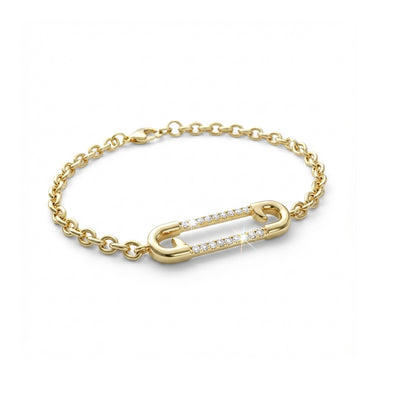
A $15 PVD bracelet that lasts 3 years = $0.01/day
PVD often delivers the lowest cost-per-wear of any gold jewelry type — which is why it has become the smart buyer's choice in 2026.
Which One Should You Choose?
The answer depends on how you live:
- Choose gold plated if you want trendy pieces you plan to rotate frequently and do not expect to last more than a season
- Choose gold filled if you want a traditional gold look with multi-decade durability and do not mind removing it for showers
- Choose PVD gold if you want to put it on and forget about it — sleep, shower, swim, sweat, and live in it without a second thought
For most women in 2026, especially those building a capsule jewelry wardrobe, PVD gold on stainless steel is the strongest all-around choice.

Real-World Durability: What Happens After 1 Year
The true test of any gold jewelry is not how it looks on day one. It is how it looks after 365 days of real life — showers, gym sessions, sleep, sunscreen, and daily wear.
Gold plated after 1 year: most pieces show visible fading, especially around clasp areas, chain links, and any surface that contacts skin frequently. The base metal often becomes visible.
Gold filled after 1 year: still looks excellent if cared for properly. Some slight dulling may occur in high-friction areas, but the gold layer remains intact. Occasional polishing helps.
PVD gold after 1 year: virtually identical to day one. Because the bond is at the molecular level and the base is surgical steel, there is no tarnishing, no green residue, and no visible wear in normal daily use.
This real-world performance gap is why PVD has become the default choice for women who want jewelry they never have to think about. It removes the maintenance anxiety that comes with traditional plating.
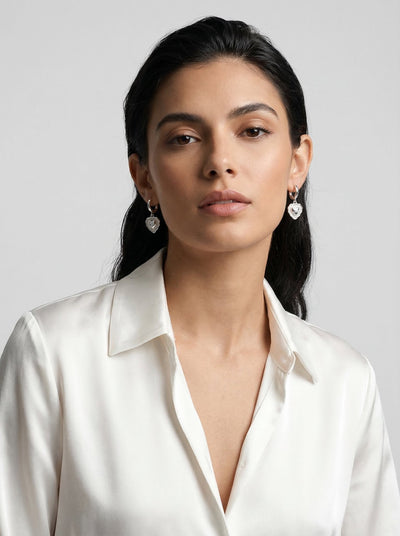
Every piece in the HyraMode collection — from the Pilo Huggies to the Hana Herringbone Bracelet to the Vela CZ Pendant — is built with this exact PVD standard.
According to Vogue, gold jewelry remains the most versatile and universally flattering metal choice across all skin tones.
As Harper's Bazaar reports, warm gold tones continue to dominate fine and fashion jewelry collections worldwide.
Forbes notes that gold-toned jewelry consistently outperforms silver in consumer preference surveys.
Frequently Asked Questions
What is the difference between gold plated and gold filled?
Gold plated uses a very thin layer of gold (0.5-2.5 microns) applied via electrochemical bath. Gold filled uses a much thicker layer (50-100 microns) mechanically bonded with heat and pressure. Gold filled is significantly more durable and longer-lasting.
Is PVD gold real gold?
Yes — PVD uses real 18k gold that is vaporized and deposited onto the base metal in a vacuum chamber. The gold is real, but the piece is not solid gold throughout. It is a gold coating on a surgical stainless steel base.
Can I shower with gold plated jewelry?
It is not recommended. Water, soap, and steam accelerate the breakdown of the gold plating. PVD gold, however, is fully waterproof and can be worn in the shower without damage.
How long does gold filled jewelry last?
With proper care, gold filled jewelry can last 10-30 years. However, it should still be removed for swimming, showering, and intense exercise to maximize its lifespan.
Which is better: gold filled or PVD?
It depends on your priorities. Gold filled has a thicker gold layer and can last decades with careful treatment. PVD is more waterproof, more affordable, and better for daily 24/7 wear. For most everyday jewelry needs in 2026, PVD offers the best combination of durability, price, and lifestyle compatibility.