












How to Clean Your Jewelry: The Complete Care Guide for 2026
HyraModeYour jewelry is an investment—whether it's $30 or $3,000. But most people are actively destroying their pieces with well-intentioned cleaning mistakes.
The internet is full of jewelry cleaning "hacks" that range from ineffective to downright damaging. Toothpaste? Baking soda? Coca-Cola? Please don't. These methods can strip plating, scratch stones, and leave residue that's nearly impossible to remove.
In 2026, jewelry care has evolved alongside jewelry technology. With the rise of PVD-coated pieces and advanced materials, cleaning isn't just about making things shiny—it's about preserving structural integrity. This is the definitive guide to cleaning every type of jewelry in your collection.

The Golden Rule: Know Your Material Before You Clean
Before you touch your jewelry with any cleaning solution, you need to know what you're dealing with. Different materials require completely different approaches. Using the right method on the wrong material can cause irreversible damage.
Quick Material Guide:
- 18k Gold PVD on Stainless Steel: The easiest to clean—virtually indestructible
- 14k Gold Plated on Brass: Requires gentle care—plating can wear
- Cubic Zirconia (CZ): Hard but can cloud with improper cleaning
- Sterling Silver: Tarnishes easily, needs special anti-tarnish care
All HyraMode pieces fall into the first category—18k Gold PVD on surgical-grade stainless steel—making them the lowest-maintenance jewelry you can own.
The Only Cleaning Method You Actually Need
Forget the complicated Pinterest tutorials. For 95% of jewelry cleaning, you need exactly three things:
- Warm water (not hot—heat can loosen adhesives)
- Mild dish soap (Dawn or similar—no moisturizers or antibacterials)
- A soft microfiber cloth (eyeglass cleaning cloths work perfectly)
The Process:
- Fill a bowl with warm water and a drop of dish soap
- Let jewelry soak for 5-10 minutes
- Gently scrub with a soft toothbrush (baby toothbrush works best)
- Rinse thoroughly in clean water
- Pat dry with microfiber cloth
- Air dry completely before storing
That's it. No special solutions. No ultrasonic cleaners. No harsh chemicals.
Cleaning Specific Jewelry Types
Gold-Plated Jewelry (14k on Brass)
Gold-plated pieces are beautiful but delicate. The gold layer is microns thick and can be stripped by aggressive cleaning.
Do: Use the mild soap method above. Pat dry—never rub vigorously.
Don't: Use jewelry dips, baking soda, or anything abrasive. Never use an ultrasonic cleaner.
18k Gold PVD Jewelry (The HyraMode Standard)
PVD (Physical Vapor Deposition) is a game-changer for jewelry care. The gold isn't just "plated" on—it's vacuum-sealed at the molecular level to surgical-grade stainless steel. This creates a bond that's nearly impossible to break.
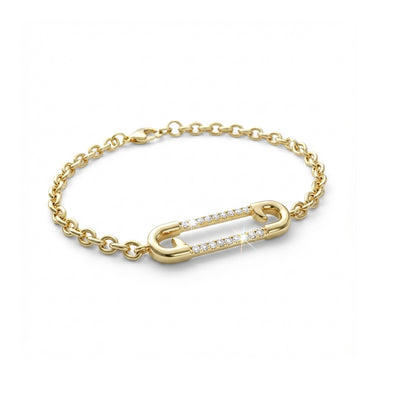
What this means for cleaning: You can clean PVD jewelry more aggressively than traditional plated pieces. While you still shouldn't use abrasives, you don't have to baby it. The Hana Herringbone Bracelet can handle regular soap-and-water cleaning without any fading or wear.
Pro tip: Because PVD is waterproof and tarnish-proof, you can actually clean these pieces while you're in the shower. Just scrub with your regular body soap and rinse thoroughly.

CZ (Cubic Zirconia) Stones
CZ is hard (8.5 on the Mohs scale) but can become cloudy if not cleaned properly. The cloudiness usually comes from soap residue and skin oils building up on the stone's surface.
Best method: Soak in warm soapy water, then use a soft toothbrush to scrub behind the stone. Most people clean the top of the stone but ignore the underside, where most buildup occurs.
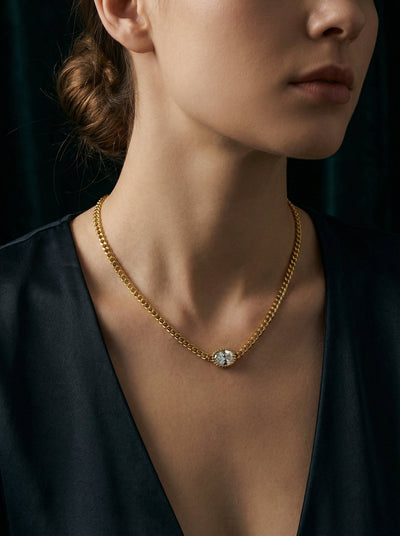
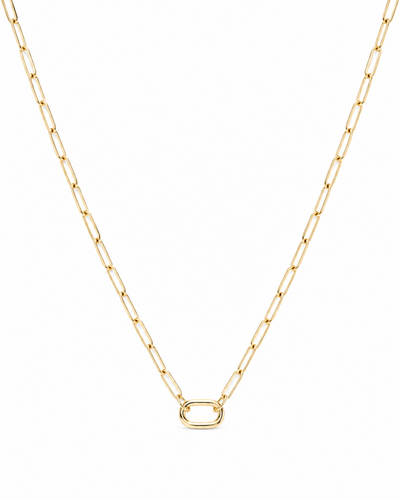
For the Vela Oval CZ Pendant, pay special attention to the bezel setting—oils love to collect in those crevices.
Huggie and Hoop Earrings
Earrings are exposed to more body oils, hair products, and environmental grime than any other jewelry. They need more frequent cleaning.The huggie-specific method: Because huggies like the Pilo Huggies sit close to the skin, they collect more oils. Soak them weekly in soapy water, then use a cotton swab to clean the hinge mechanism. A drop of mineral oil on the hinge afterward keeps them opening and closing smoothly.

What NOT to Use: The Danger List
The internet is full of terrible jewelry cleaning advice. Here are the worst offenders:
- Toothpaste: It's abrasive and leaves a film that's nearly impossible to remove completely
- Baking Soda: Way too abrasive. It will scratch soft metals and cloud stones
- Vinegar: Acidic and can damage plating, especially on brass-base jewelry
- Alcohol: Dries out adhesives and can cause stones to loosen over time
- Ammonia: Destroys plating and can discolor metals
- Ultrasonic Cleaners: Great for solid gold and diamonds, terrible for plated jewelry. The vibrations can strip plating
The rule: If you wouldn't use it on your skin, don't use it on your jewelry.
How Often Should You Clean Your Jewelry?
Frequency depends on how often you wear the piece:
- Daily wear pieces: Clean every 2-3 weeks
- Weekly wear pieces: Clean monthly
- Special occasion pieces: Clean before and after each wear
Signs your jewelry needs cleaning: It looks dull, CZ stones aren't sparkling, or you notice buildup in crevices. For the Aura Oval Hoops, you'll notice they lose their "liquid gold" shine when they need a clean.

Storing Clean Jewelry: Prevention is Better Than Cure
The best way to keep jewelry clean is to store it properly:
- Keep it dry: Moisture is the enemy. Never store jewelry in a bathroom
- Separate metals: Gold and silver can scratch each other if stored together
- Use anti-tarnish strips: For silver pieces, these absorb the sulfur that causes tarnish
- Don't use plastic bags long-term: They trap moisture. Use cloth pouches instead
For PVD jewelry like the Everyday Essentials Set, storage is less critical—they're tarnish-proof. But keeping them in a soft pouch still prevents scratches from other jewelry.
When to See a Professional
Sometimes DIY isn't enough. Take your jewelry to a professional if:
- A stone is loose or missing
- The clasp is broken or not securing properly
- There's visible damage to the plating
- The piece has sentimental value and you're not confident cleaning it yourself
Most professional cleanings cost between $10-30 and are worth it for valuable or sentimental pieces.
The Science of Tarnish: Why Jewelry Gets Dirty
Understanding why your jewelry gets dirty helps you clean it better. Tarnish isn't just dirt—it's a chemical reaction.
For silver: Tarnish is silver sulfide, formed when silver reacts with sulfur in the air. That's why silver tarnishes faster in humid or polluted environments. Anti-tarnish strips work by absorbing sulfur before it reaches your jewelry.
For gold-plated jewelry: The "dulling" you see is usually a combination of skin oils, lotion residue, and microscopic scratches. Unlike tarnish, this isn't a chemical reaction—it's buildup. That's why gentle cleaning restores the shine without damaging the plating.
For PVD jewelry: The vacuum-sealed bond prevents chemical reactions entirely. What looks like "tarnish" is just surface oils and environmental grime. That's why PVD pieces are so easy to clean—there's no chemical layer to remove, just physical residue.
Travel Cleaning: Maintenance on the Go
Travel puts extra stress on jewelry—sunscreen, salt water, hotel soaps, and constant wear all accelerate the need for cleaning.
The travel cleaning kit:
- A small spray bottle with diluted dish soap (1:10 ratio)
- Microfiber cloth (the kind that comes with eyeglasses)
- Travel toothbrush (the softest you can find)
This fits in a ziplock bag and handles 90% of travel cleaning needs. For PVD jewelry like pieces from the HyraMode collection, you can even skip the kit entirely—just clean them in the hotel shower with regular soap.
Read more: How to Travel With Jewelry
Conclusion: Care is an Investment
Cleaning your jewelry isn't just about aesthetics—it's about longevity. A well-maintained piece can last decades, becoming a signature part of your style story.
The key principles to remember:
- Know your material before you clean
- When in doubt, use mild soap and water
- Avoid abrasives, acids, and harsh chemicals
- Store properly to prevent future tarnish
- Invest in PVD pieces for the lowest-maintenance option
By following these guidelines, you'll keep your jewelry looking as good as the day you bought it—whether that was yesterday or ten years ago.
According to the Gemological Institute of America (GIA), proper jewelry care starts with understanding your materials.
Vogue beauty editors recommend the "last on, first off" rule—jewelry should be the last thing you put on and the first thing you remove.
As Harper's Bazaar notes, most jewelry damage comes from chemical exposure (perfume, sunscreen, chlorine) rather than physical wear.
Frequently Asked Questions
Can I shower with my gold-plated jewelry?
For traditional 14k gold-plated jewelry, it's not recommended. Water, soap, and steam can accelerate tarnishing and wear down the plating. However, 18k Gold PVD jewelry is waterproof and can be worn in the shower without damage.
How do I clean tarnished gold-plated jewelry?
Use the mild soap and water method only. For tarnish on gold-plated pieces, avoid polishing cloths—they're too abrasive and can strip the plating. If soap and water don't restore the shine, the plating may be wearing thin and the piece may need professional re-plating.
Can I use jewelry cleaning solution from the store?
Only if you know exactly what your jewelry is made of. Many commercial jewelry cleaners are too harsh for plated jewelry. They work great on solid gold and diamonds but can destroy plated pieces. When in doubt, stick to mild dish soap.
How do I make my CZ stones sparkle again?
Cloudy CZ is usually caused by soap residue and oils. Soak in warm soapy water, then scrub behind the stone with a soft toothbrush. The underside of stones collects the most buildup. Dry thoroughly with a microfiber cloth for maximum sparkle.
Is it safe to clean all my jewelry the same way?
No—different materials need different care. Solid gold and diamonds can handle ultrasonic cleaners and stronger solutions. Plated jewelry needs gentle soap and water. PVD-coated stainless steel is the most durable and can handle regular cleaning without special precautions.