










How to Travel With Jewelry: The Smart Packing Guide for 2026
HyraModeThe only thing worse than realizing you left your favorite necklace in a hotel room is realizing you brought 12 pieces of jewelry on a 3-day trip and wore exactly two of them.
Traveling with jewelry has always been a logistical headache. Do you pack it in your checked bag or carry-on? Will TSA make you take it all off? How do you keep it from turning into a tangled ball of chaos by the time you reach your destination?
In 2026, the rules have changed — and so have the solutions. With the rise of waterproof, tarnish-free PVD jewelry, traveling with your accessories is actually easier than ever. This is the complete guide to traveling smart with jewelry, from packing strategies to TSA etiquette.

The Golden Rule: The 3-3-3 Capsule for Travel
The most common mistake travelers make is over-packing jewelry. You do not need options. You need a plan.
The 3-3-3 Rule is the gold standard for travel jewelry: 3 earrings, 3 necklaces, 3 bracelets/rings. That's it. Nine pieces total, and you can style them for literally any occasion.
The Travel 3-3-3 Capsule:
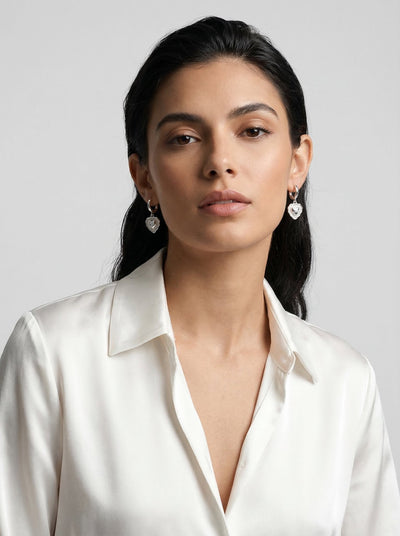
- Earrings: Pilo Huggies (everyday), Aura Oval Hoops (dressy), one statement pair
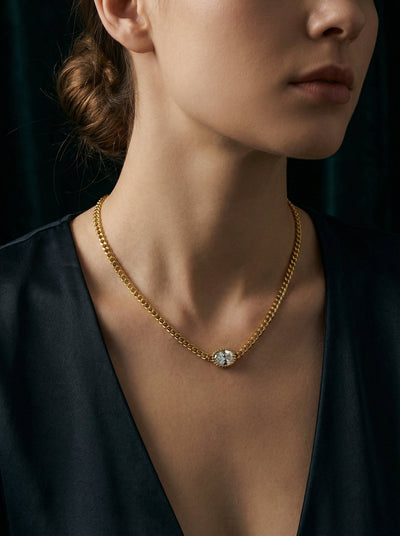
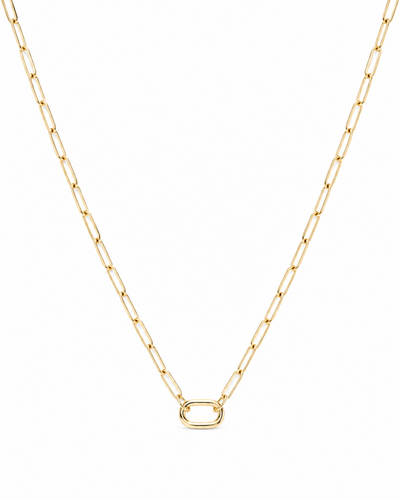
- Necklaces: Mevi CZ Pendant (layering base), Sola Sunburst (statement), Stelle Multi-Star (accent)
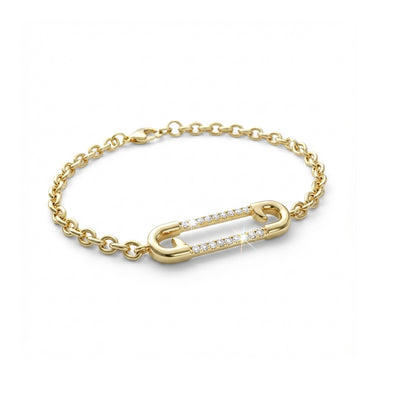
- Bracelets: Hana Herringbone (solo), one stackable chain, one sentimental piece
This 9-piece set gives you over 20 different combinations. For a 5-day trip, that's 4 outfit repeats per piece — which is exactly how you should be thinking about travel style.
Packing Methods: What Actually Works
The Pillbox Method: A 7-day pill organizer is the ultimate travel jewelry hack. Each compartment holds one pair of earrings or a small pendant. It's crush-proof, organized, and costs $3.
The Ziplock + Straw Method: For necklaces, thread the chain through a plastic drinking straw and seal in a snack-size bag. This prevents tangling completely.
The Sunglasses Case Hack:>/strong> A hard sunglasses case is perfect for bracelets and watches. It protects them from getting crushed and keeps them from scratching other items.
What to Avoid: Velvet jewelry rolls look pretty but offer zero crush protection. Soft pouches are fine for earrings but useless for necklaces that will tangle the moment you look away.

TSA Rules for Jewelry in 2026
Good news: TSA does not require you to remove jewelry in standard metal detectors. Small earrings, necklaces, bracelets, and rings can all stay on during screening.
However, there are exceptions:
- Body jewelry: Large gauge piercings may trigger the detector
- Heavy metal: Chunky cuff bracelets or stacked rings might set it off
- Full-body scanners: These detect anomalies under clothing, not jewelry on skin
Pro tip: If you're wearing a lot of stacked rings or a statement cuff, just slip them into your carry-on before security and put them back on at the gate. It's faster than explaining to an agent.
Why Waterproof Jewelry Changes Everything
The biggest stressor of travel jewelry used to be taking it off. Shower at the hotel? Better take it off. Hot tub after skiing? Off. Beach day? Definitely off. The mental load of remembering where you put your jewelry is real.
18k Gold PVD jewelry eliminates this problem entirely. Because the gold is vacuum-sealed to surgical-grade stainless steel, it doesn't react to chlorine, salt water, sweat, or hotel soaps. You can literally sleep, shower, swim, and sweat in it.
This means your travel jewelry can stay on from the moment you leave your house to the moment you return. No hotel safe. No "did I leave it on the bathroom counter?" panic. Just put it on and forget about it.
Our travel-ready picks: The entire HyraMode 18k Gold PVD collection. Start with the Everyday Essentials Set — it has everything you need for a 2-week trip in one box.

Beach & Pool Days: What to Actually Wear
The beach is where most jewelry goes to die. Salt water, sand, and sunscreen are a trifecta of damage for traditional plated jewelry.
But if you're wearing PVD-coated pieces, the beach becomes a non-issue. Salt water doesn't tarnish PVD. Sand won't scratch it. Sunscreen washes right off.
The only rule for beach jewelry: Don't wear anything with small stones that could loosen and fall out in the sand. Stick to solid metal designs like the Vela Oval Pendant (bezels protect the stone) or pure metal hoops.
City Trips vs. Adventure Travel
Not all trips require the same jewelry strategy.
For City/Cultural Trips: Bring one "wow" piece. Museums, dinners, and gallery openings are the perfect excuse to wear that sculptural drop earring or statement pendant you've been saving. The Deva Liquid Metal Drops were made for European art galleries.
For Adventure/Active Trips: Function over fashion. Huggie earrings that won't catch on helmet straps. Flat bracelets that won't snag on hiking poles. The Pilo Huggies are the unofficial earring of the hiking set.

The "Wear It or Lose It" Rule
Here's the hard truth about travel jewelry: If you don't wear it on the plane, you probably won't wear it at all.
The psychological barrier of unpacking, untangling, and putting on jewelry in a hotel room is higher than you think. If a piece isn't comfortable enough to travel in, it won't make it out of your bag.
Test your travel jewelry like this: Wear it for a full 24-hour period at home — sleep, shower, work, workout. If you forget you're wearing it, it's travel-ready. If you're constantly adjusting it or taking it off, leave it at home.
Insurance & Documentation
If you're traveling with pieces that have sentimental or monetary value, take photos. Not for Instagram — for insurance. Before you leave, lay out every piece you're bringing and take one overhead photo. If something gets lost or stolen, you have proof of what you had.
For high-value items, keep receipts or appraisals in your email (not in your luggage). And never, ever put irreplaceable jewelry in checked baggage. The airline's liability for lost luggage tops out at $3,800 domestically — and that's only if they admit fault.

The Hotel Safe Debate: To Use or Not to Use?
Hotel safes are controversial in the travel community. Some swear by them; others claim they're the first place thieves look. Here's the nuanced truth:
Hotel safes are fine for moderate valuables during the day while you're out. But they're not Fort Knox. Housekeeping has override codes, and older safes can be cracked in minutes by anyone with basic knowledge.
Better strategy: If you're not wearing it, keep it on your person or in your locked luggage. A small travel safe that you control (with your own combination) is infinitely more secure than the hotel's built-in option.
Or, take the HyraMode approach: wear waterproof jewelry 24/7 and eliminate the problem entirely. When your necklace never leaves your neck, there's nothing to forget in the hotel safe.
International Travel: Customs & Cultural Considerations
Traveling internationally adds another layer of complexity to jewelry decisions.
Customs Declarations: If you're carrying high-value jewelry (over,000 total), some countries require you to declare it. Failure to do so can result in fines or confiscation. Keep receipts or appraisals handy for expensive pieces.
Cultural Sensitivity: What's appropriate in Miami might attract unwanted attention in Mumbai. In some regions, flashy jewelry signals wealth in a way that can make you a target for theft. In others, it might be considered disrespectful at religious sites.
The Rule: When traveling to conservative or high-theft areas, Pilo Huggies and a simple chain are your best friends. They're elegant enough to feel like "you" but understated enough to blend in anywhere.
The Travel Mindset: Less But Better
At its core, traveling with jewelry is a metaphor for travel itself. The goal is to bring only what adds value and leave behind what creates burden. A 50-piece jewelry collection at home doesn't need to become a 50-piece collection in your suitcase.
By adopting the 3-3-3 rule, choosing waterproof PVD pieces, and packing strategically, you free up mental space for what really matters: the experiences you're traveling for in the first place. The best travel jewelry is the kind you put on once and never think about again.
Whether you're backpacking through Southeast Asia or attending a conference in Copenhagen, your jewelry should be the easiest part of your trip. Choose well, pack smart, and focus on the journey — not whether you remembered to take your necklace off before the hotel checkout.
According to Vogue, the most stylish women treat jewelry as an extension of their personality rather than a mere accessory.
Harper's Bazaar consistently highlights that quality jewelry styling is about intention and curation, not quantity.
As Who What Wear notes, the modern jewelry philosophy is about building a collection of versatile pieces that reflect your authentic style.
Frequently Asked Questions
Can I wear jewelry through TSA security?
Yes, small jewelry items like earrings, necklaces, rings, and bracelets do not need to be removed when going through standard metal detectors. Large body piercings or very heavy metal pieces may trigger the alarm, but standard daily jewelry can stay on.
How do I keep necklaces from tangling when traveling?
Thread each necklace through a plastic drinking straw and seal it in a small ziplock bag. This keeps chains separated and prevents knotting. Alternatively, use a pill organizer with one necklace per compartment.
Should I pack jewelry in my carry-on or checked bag?
Always pack jewelry in your carry-on. Checked bags are more likely to be lost, delayed, or mishandled. Keep your jewelry with you at all times during travel.
Can I swim in the ocean with gold-plated jewelry?
Traditional gold-plated jewelry should not be worn in the ocean as salt water accelerates tarnishing and can damage the plating. However, 18k Gold PVD jewelry is highly resistant to salt, chlorine, and sweat and can be worn swimming without damage.
What is the best travel jewelry for a 2-week trip?
The best travel jewelry is versatile, waterproof, and comfortable enough to sleep in. A 9-piece capsule (3 earrings, 3 necklaces, 3 bracelets) in 18k Gold PVD gives you 20+ outfit combinations while taking up almost no space.