










Jewelry Etiquette 101: What to Wear (and What to Skip) for Every Occasion
HyraModeIn a world where the dress code is increasingly "anything goes," your jewelry might be the only thing telling people where you actually are.
Dress codes have softened. You can wear sneakers to the office and jeans to a nice dinner. But jewelry etiquette? That has remained surprisingly traditional. The jewelry you choose for a job interview is still fundamentally different from what you'd wear to a black-tie wedding or a Sunday brunch.
Why does it matter? Because jewelry is the final layer of your social signaling. It tells the room if you're there to lead, to celebrate, to mourn, or to relax. Get it right, and you look like someone who understands the nuances of the moment. Get it wrong, and you're the woman whose clinking bracelets are the loudest thing in a quiet meeting.
This is the complete 2026 guide to jewelry etiquette for every major type of occasion — from the high-stakes boardroom to the lowest-stakes coffee date.

The Golden Rule: Occasion, Not Attention
Before we get into specific events, there's one universal law of jewelry etiquette: your jewelry should match the occasion, not demand all the attention in the room.
The best-accessorized woman is never the "loudest" one. She's the one whose jewelry feels like it was born for that specific event. If people notice your earrings before they notice your eyes, you've over-indexed on attention and under-indexed on etiquette.
The goal is integration. Your jewelry should be a part of your presence, not a distraction from it.
Office & Professional Settings: The Power of Quiet
In the office, jewelry should signal competence, attention to detail, and reliability. You want pieces that stay in place and don't make noise when you type or talk with your hands.
The Etiquette:
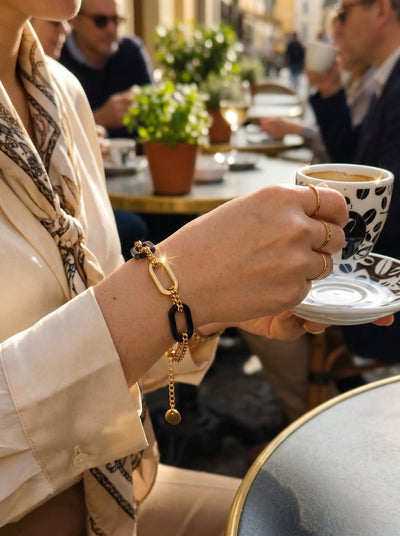
- No noise. If your bracelets jingle when you move, leave them at home. It's distracting in meetings and unprofessional on Zoom.
- Limit the "bling." Save the high-sparkle statement pieces for after 5 PM. Stick to metals and subtle stones.
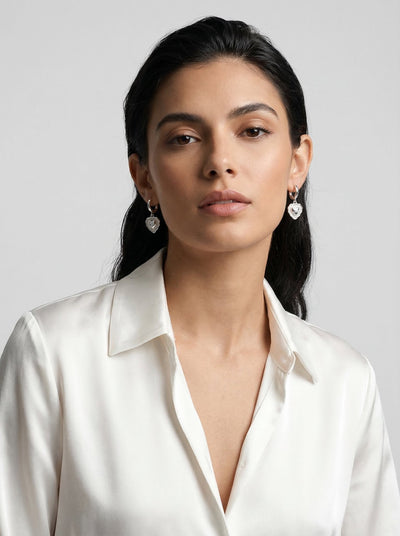
- Small to medium scale. Huge hoops are for weekends. Pilo Huggie Earrings are for the boardroom.
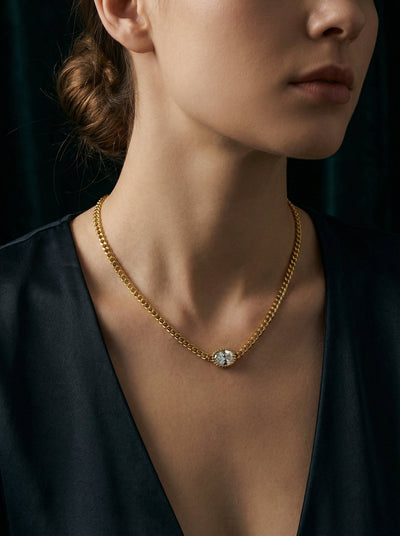
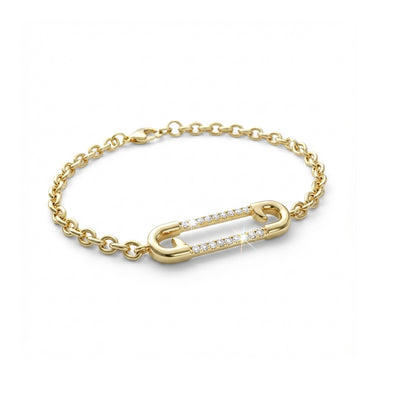
Our picks: Mevi Dainty CZ Pendant + Hana Herringbone Bracelet. This combination is silent, polished, and powerful.
For a deeper dive into work style, check our complete office jewelry guide.

Weddings: The "Don't Outshine" Strategy
As a wedding guest, you are there to support the couple, not compete with the bride. The etiquette is about balance — look celebratory without looking like you're trying to steal the show.
The Etiquette:
- Don't wear white stones that look like an engagement ring on your left hand (unless they are yours).
- Match the formalness. If it's black-tie, go for more sparkle. If it's a beach wedding, go for bohemian textures.
- Avoid "festival" jewelry. Even casual weddings deserve more respect than a music festival look.
Our picks: The Crystal Elegance Set. It provides a coordinated, celebratory look that feels expensive but remains appropriate for a guest.
Shopping for the bridal party? See our bridesmaid jewelry gift guide.
Casual & Weekend Vibes: Personal and Effortless
Brunch, coffee dates, errands, and casual hangs. This is where the rules disappear and your personality takes over. The only etiquette here is to look like you put in some effort, even if you're in leggings.
The Etiquette:
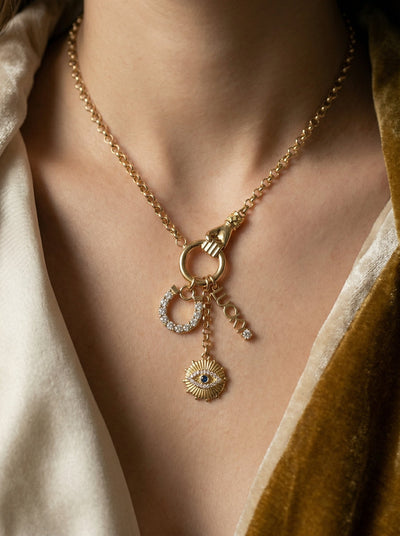
- Layer away. This is the time for multiple necklaces and bracelet stacks.
- Mix your metals. Don't worry about matching — the "unmatched" look feels more casual and authentic.
- Meaningful pieces. Wear the Rosa Rose Coin Pendant because you love the story, not because it matches your shoes.
Our picks: Stelle Star Station Necklace + Aura Oval Hoops. It's the "cool girl" weekend uniform.

Date Nights: Sparkle with a Story
A date is about connection. Your jewelry should be a conversation starter, not a conversation ender. You want pieces that catch the light in a candlelit restaurant but don't feel like armor.
The Etiquette:
- One focal point. Great earrings or a great necklace — rarely both in a dramatic way. Let him focus on your face.
- Choose pieces with movement. Drop earrings like the Fova Huggie Drops draw attention to your neck and jawline as you laugh.
- Touch-friendly. Avoid sharp edges or overly complex clasps you'll be fiddling with all night.
Our picks: Caia Croissant Huggies or the Date Night Set. Both are designed to feel intimate and intentional.
Read more: What Jewelry to Wear on a First Date.

Funerals & Somber Occasions: Respect Through Restraint
This is the most sensitive category. Jewelry for a funeral or memorial service is about showing respect, not showing off.
The Etiquette:
- Minimal and matte. Avoid high-sparkle CZ or diamonds if possible. Stick to plain metals or pearls.
- Conservative scale. Small studs or tiny huggies. No hoops, no drops, no statement pieces.
- Quiet symbolism. A simple cross like the Cruz Ornate Cross is appropriate; a sunburst might feel too "bright" for the mood.
Our picks: Pilo Huggies in silver or gold. They are the most respectful, invisible jewelry choice you can make.
Job Interviews: The "First 7 Seconds" Rule
You have about seven seconds to make a first impression. Your jewelry should signal that you are organized, professional, and you understand the company culture.
The Etiquette:
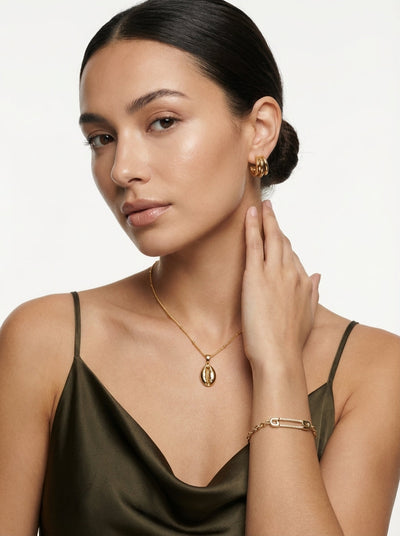
- Stick to the Rule of Three. One necklace, one pair of earrings, one ring or bracelet. Any more can feel cluttered.
- Match the industry. Creative job? A bit more personality. Corporate job? Go 100% classic.
- Zero distraction. No large pendants that bounce when you talk. No rings you'll be spinning while you're nervous.
Our picks: Mevi CZ Pendant. It's the "I have my life together" necklace.

Formal Galas & Black-Tie: The Occasion for Excess
This is the one time when "more" is actually the etiquette. A black-tie event is a celebration of the extraordinary, and your jewelry should reflect that.
The Etiquette:
- Real or high-quality PVD only. lower-quality-looking metal will be very obvious under gala lights.
- Embrace the statement. This is the time for the Deva Water Drops.
- Coordinate your sets. Unlike the office, a coordinated earring and necklace set feels right here.
Our picks: Starlight Set. It has enough "heft" to stand up to a formal gown.

The "No-Fail" Jewelry Formula for Any Event
If you're staring at your jewelry tray ten minutes before you need to leave and you're panicking about etiquette, use this Universal Formula:
- Start with a Huggie: Pilo or Caia.
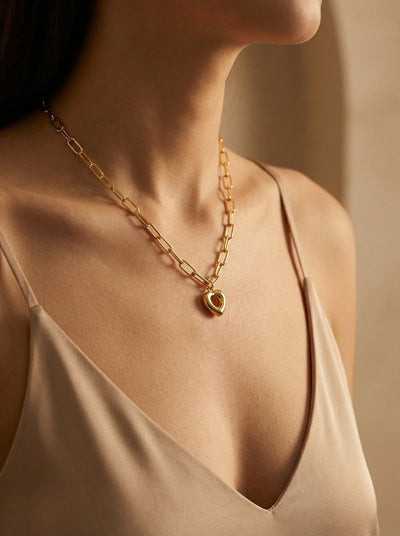
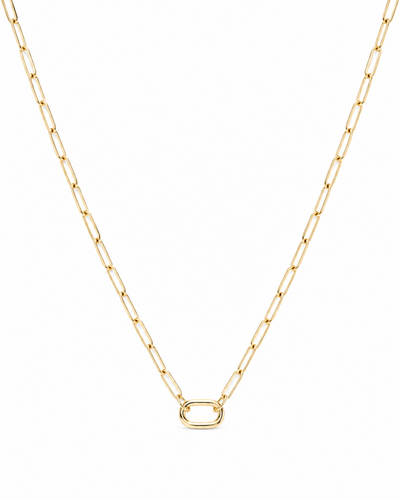
- Add a Dainty Pendant: Mevi or Vela.
- Finish with a Flat Bracelet: Hana Herringbone.
This "Starter Trio" is etiquette-approved for 95% of human activities. It is polished enough for a wedding, quiet enough for the office, and cool enough for the weekend. It's the jewelry equivalent of a great pair of jeans and a blazer.
Build this exact trio with our Starter Collection Guide.
Cultural Nuances in Jewelry Etiquette
While this guide focuses on modern Western standards, it is important to remember that jewelry etiquette varies globally. If you are traveling or attending a multicultural event, a little research goes a long way. In many cultures, gold and silver carry specific social and spiritual meanings that transcend simple fashion.
For example, in many South Asian traditions, gold jewelry is not just an accessory but a symbol of prosperity and divine protection — wearing "too little" gold at a wedding might be seen as disrespectful. Conversely, in some Scandinavian cultures, Jante's Law suggests a preference for extreme minimalism, where flashy jewelry might be viewed as boasting. When in doubt, aim for the middle: high-quality, modest pieces like the Vela CZ Pendant.
The Evolution of Modern Etiquette
Is jewelry etiquette dying? Some would say yes, citing the rise of street style and individual expression. But a better way to look at it is that etiquette has become more about empathy than about strict rules.
Old-school etiquette was about showing you belonged to a certain social class. Modern etiquette is about showing you respect the people around you and the purpose of the gathering. When you wear quiet jewelry to a funeral, you're not following a rule — you're making space for someone else's grief. When you wear polished jewelry to an interview, you're showing you take the opportunity seriously. Etiquette is simply style with a conscience.
According to Vogue, the most stylish women treat jewelry as an extension of their personality rather than a mere accessory.
Harper's Bazaar consistently highlights that quality jewelry styling is about intention and curation, not quantity.
As Who What Wear notes, the modern jewelry philosophy is about building a collection of versatile pieces that reflect your authentic style.
Frequently Asked Questions
What jewelry is appropriate for a funeral?
Keep it minimal, conservative, and quiet. Small gold or silver studs, or a very delicate pendant. Avoid high-sparkle stones, dangling pieces, or anything that makes noise. The focus should be on respect, not your accessories.
Can I wear hoops to a job interview?
Small to medium hoops (under 25mm) are generally fine for most modern offices. However, for a high-stakes interview, huggie earrings or simple studs are a safer, more "neutral" choice that ensures the interviewer is listening to your words rather than looking at your ears.
Is it OK to wear a matching jewelry set to a wedding?
Yes, a coordinated jewelry set is a classic and appropriate choice for formal weddings. It provides a polished, finished look that fits the celebratory mood. Just ensure the set isn't so large that it competes with the bride's jewelry.
How many pieces of jewelry can I wear at once according to etiquette?
The "Rule of Three" is a reliable etiquette standard: earrings, a necklace, and either a ring or a bracelet. Wearing four or more visible pieces can start to feel cluttered for professional or formal settings. Casual weekends are the exception where you can layer more freely.
Should I remove jewelry for a video call or Zoom meeting?
No, but choose pieces that don't distract. Avoid necklaces that bounce or earrings that catch the glare of your computer screen too intensely. Huggies and a small pendant necklace are perfect for video calls because they look polished but don't "vibrate" on camera.