










The Complete Guide to Hypoallergenic Jewelry: How to Shop for Sensitive Skin in 2026
HyraModeIf you've ever taken off a beautiful pair of earrings only to find your earlobes red, swollen, and itchy, you are not alone. You belong to the roughly 20% of the population with a metal allergy.
For years, people with sensitive skin were told their only option was to buy solid 14k or 18k gold—a solution that is neither easy-to-wear nor practical for building a diverse jewelry collection. The fast-fashion alternative? Endure the pain for the sake of an outfit.
But in 2026, you don't have to choose between your everyday and your comfort. Jewelry technology has advanced, making true, long-lasting hypoallergenic jewelry accessible to everyone.
This is the definitive guide to understanding metal allergies, decoding jewelry labels, and finding pieces you can actually sleep in without a reaction.

The Culprit: Why Does Jewelry Cause Allergies?
The vast majority of jewelry allergies are caused by one specific metal: Nickel.
Nickel is a lower-quality, durable white metal widely used in the jewelry industry to harden softer metals (like gold or silver) and provide a bright, shiny finish before plating. When nickel comes into contact with your skin—especially through a piercing, where it interacts with your body fluids—it triggers an immune response known as contact dermatitis.
The symptoms are unmistakable:
- Redness and swelling around the piercing
- Intense itching
- Dry patches or blisters
- Black or green discoloration on the skin (though this can also be caused by copper oxidation, which isn't an allergy, just a chemical reaction)
If you experience these symptoms, you likely have a nickel allergy. And unfortunately, once you develop a nickel allergy, it is usually a lifelong condition.

Decoding the "Hypoallergenic" Label
Here is the most frustrating secret of the jewelry industry: the term "hypoallergenic" is not regulated by the FDA or the FTC.
Literally any brand can slap a "hypoallergenic" sticker on their packaging. To a fast-fashion brand, it might just mean they used slightly less nickel than usual. This is why you've probably bought "hypoallergenic" earrings that still caused a reaction.
Instead of looking for the word "hypoallergenic," you need to look for specific, proven materials. If a brand cannot tell you exactly what their base metal and plating process is, do not buy from them.
The Best Metals for Sensitive Skin in 2026
If you have sensitive skin, these are the only materials you should be wearing:
1. Surgical-Grade Stainless Steel (316L)
This is the unsung hero of the hypoallergenic jewelry world. 316L stainless steel is the same material used in surgical instruments and medical implants. Why? Because it is incredibly biocompatible.
The pros: It will not rust, it will not tarnish, and it causes zero reaction in the vast majority of people. It is highly durable and very affordable.
The cons: In its raw state, it only looks like silver.
2. 18k Gold PVD Coating (The Modern Solution)
If surgical steel only looks like silver, how do you get gold jewelry that won't cause an allergy? The answer is PVD (Physical Vapor Deposition) coating.
Unlike traditional "gold plating" (which dips jewelry in a chemical bath that often contains nickel as a binding agent), PVD is a vacuum process. It bonds 18k gold directly to a surgical stainless steel base at the molecular level, without using nickel.
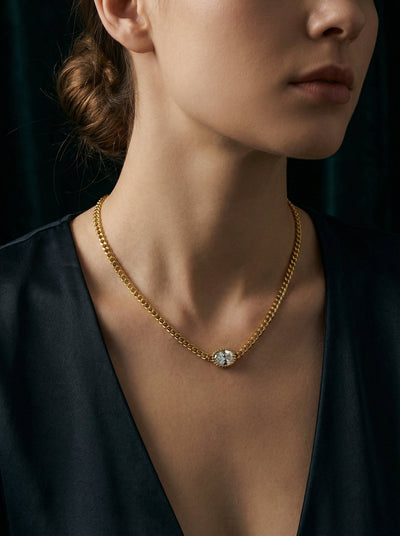
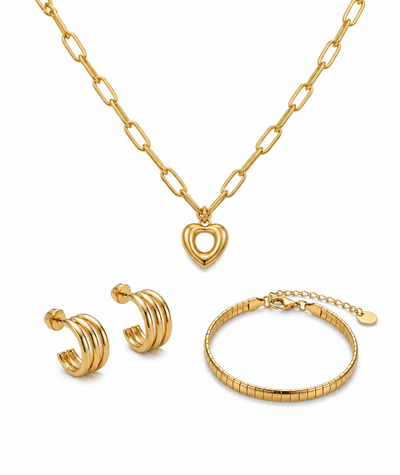
Why it's revolutionary for sensitive skin: Not only is it nickel-free, but the PVD bond is so strong that the gold won't flake off to expose the base metal underneath. This is why all HyraMode pieces, like the Vela Oval CZ Pendant, use 18k Gold PVD on a stainless steel base.

3. Solid Platinum and 18k/24k Gold
These are the purest, safest options available. 24k gold is 100% pure gold, and platinum is naturally hypoallergenic.
The pros: Excellent for extreme allergies.
The cons: 24k gold is too soft for everyday wear and bends easily. Both options are extremely expensive, making it hard to build a trend-driven or varied jewelry wardrobe.
4. Titanium
Titanium is often used for initial piercing jewelry because it is 100% biocompatible.
The pros: Completely safe for everyone.
The cons: It's difficult to mold into delicate or complex designs, so titanium jewelry is often very simple or industrial-looking.

Metals to Avoid if You Have Sensitive Skin
If you have a history of itchy earlobes, read the fine print and avoid these materials:
- "Base Metal" or "Alloy": This is industry code for a mystery mix of lower-quality metals, almost always containing nickel.
- White Gold: To get the bright white color, gold is heavily alloyed with nickel. (Unless it specifies it is alloyed with palladium, skip it).
- Brass (for earrings): While high-quality brass is fine for necklaces, it contains copper. When copper oxidizes against the acidic pH of a piercing, it can cause a reaction or turn the skin green.
- Flash Plating: This is a microscopic layer of gold over a lower-quality base. It wears off in weeks, exposing your skin directly to the allergy-inducing metals underneath.
The "Earring Test": How to Shop Safely
When shopping for new jewelry—especially earrings—put the piece through this simple three-question test:
- Is the base metal listed? (If it just says "gold-plated" without telling you what's underneath, walk away).
- Is it explicitly "Nickel-Free"? (Remember, "hypoallergenic" isn't enough; you want the specific "nickel-free" guarantee).
- What is the plating method? (Look for PVD or thick vermeil rather than standard flash plating).
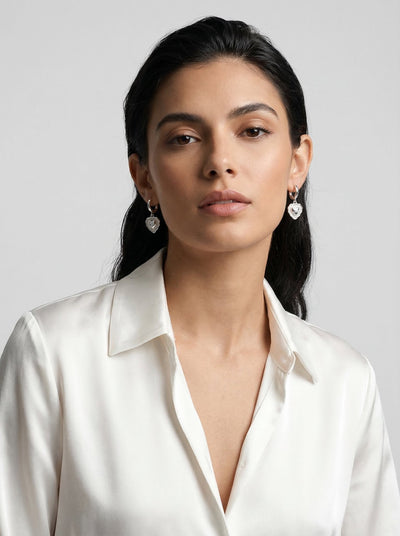
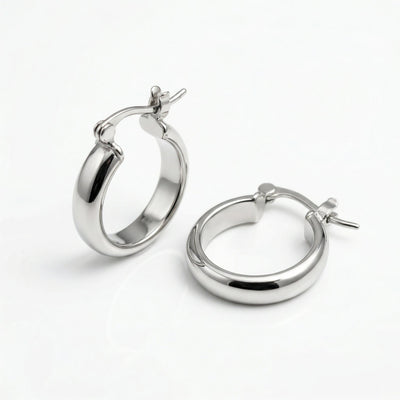
For example, when you look at the Pilo Huggie Earrings, the specs are clear: Medical-grade stainless steel base, 18k Gold PVD coating, nickel-free. That is the transparency you should demand.

How to Treat an Active Jewelry Allergy
If you're currently dealing with a red, itchy piercing from a bad pair of earrings, here is how to handle it:
1. Remove the jewelry immediately. Don't try to "tough it out." Leaving the allergen in the piercing will only make the immune response worse and can lead to infection.
2. Clean the area gently. Wash the piercing with a saline solution or mild, fragrance-free soap. Do not use alcohol or hydrogen peroxide, which will irritate the inflamed skin further.
3. Apply a barrier. A thin layer of petroleum jelly (like Vaseline) can protect the raw skin from the air and speed up healing. Over-the-counter hydrocortisone cream can help reduce the itching.
4. Insert safe "placeholder" jewelry. If the piercing is relatively new and you're worried about it closing, insert a 100% surgical steel or titanium stud while it heals.

Special Consideration: Kids and Newly Pierced Ears
When it comes to children's jewelry or newly pierced ears (even for adults), the stakes are even higher. Fresh piercings are essentially open wounds, which means the skin's natural barrier is completely bypassed. This makes the body hyper-sensitive to any irritants or allergens present in the metal.
For New Piercings (0-6 months): Stick exclusively to implant-grade titanium or solid 14k/18k gold for your healing phase. Even surgical stainless steel should ideally wait until the piercing is fully healed, as some people with extreme sensitivities can still react during the healing window.
For Children's Healed Ears: Kids are highly prone to developing metal allergies if exposed to lower-quality nickel alloys early on. Once the allergy is triggered, it's usually lifelong. To prevent this, never put fast-fashion or "costume" jewelry in a child's ears. Opt for small, secure pieces made from safe materials. A classic choice is a tiny surgical steel huggie or a reliable Aura Oval Hoop (in a small size) that is guaranteed nickel-free.
By investing in high-quality, nickel-free options from the beginning, you protect sensitive ears and avoid the frustrating cycle of irritation and infection.
The Enclothed Cognition of Comfort
In psychology, "enclothed cognition" refers to how what we wear affects our mental state. When you wear jewelry that causes pain or anxiety ("Is my ear turning red? Is it itching again?"), you cannot project confidence.
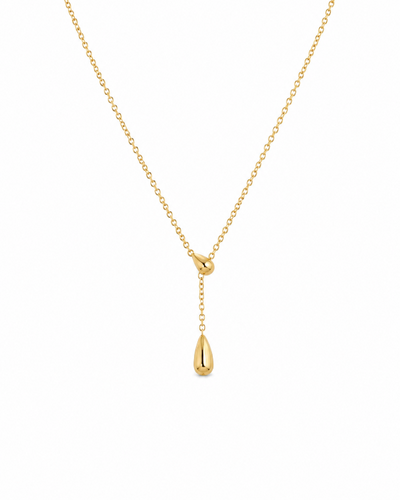
True luxury isn't just about how a piece looks; it is about how it feels. The peace of mind that comes with wearing a piece like the Mevi Dainty CZ Pendant—knowing you can sweat in it, sleep in it, and live in it without a reaction—is the ultimate modern luxury.
In 2026, you shouldn't have to suffer for your style. By understanding materials and demanding transparency, you can build a beautiful, diverse jewelry collection that loves your skin as much as you love the design.

According to Vogue, the most stylish women treat jewelry as an extension of their personality rather than a mere accessory.
Harper's Bazaar consistently highlights that quality jewelry styling is about intention and curation, not quantity.
As Who What Wear notes, the modern jewelry philosophy is about building a collection of versatile pieces that reflect your authentic style.
Frequently Asked Questions
Why can I wear lower-quality necklaces but lower-quality earrings make my ears bleed?
Earrings pass directly through the skin into the body's tissues. This direct contact with internal bodily fluids triggers a much faster and more severe immune response than a necklace resting on the dry, outer layer of your skin (the epidermis).
Can you paint clear nail polish on earrings to make them hypoallergenic?
This is a common hack, but it's not a long-term solution. Nail polish chips and wears off quickly, especially inside a piercing. Furthermore, the chemicals in nail polish can themselves cause contact dermatitis in sensitive skin. It's better to invest in proper surgical steel or PVD-coated pieces.
Is 925 Sterling Silver safe for sensitive ears?
Usually yes, but not always. "925" means it is 92.5% pure silver. The remaining 7.5% is an alloy, typically copper. Most people with nickel allergies are fine with copper, but some individuals have dual allergies. If sterling silver bothers you, stick to surgical stainless steel.
What does "Nickel-Free" actually mean?
Legally, in the US, it means the product contains virtually zero nickel. In Europe, regulations are even stricter (the EU REACH directive restricts nickel release rates). Look for explicit "nickel-free" guarantees rather than vague "hypoallergenic" claims.
Is HyraMode jewelry safe for sensitive skin?
Yes. All HyraMode pieces utilize a medical-grade stainless steel base (316L) which is inherently hypoallergenic. The gold pieces use 18k Gold PVD coating, a vacuum process that creates a durable, nickel-free bond perfectly safe for sensitive skin.