










What Jewelry to Wear to a Job Interview: The 2026 Guide to Looking Polished and Professional
HyraModeYou have seven seconds to make a first impression. In a job interview, your jewelry is either helping that impression or hurting it.
Interview styling is one of the highest-stakes styling situations in everyday life. You are being evaluated on competence, attention to detail, and cultural fit — and your accessories are part of that evaluation whether anyone admits it or not.
In 2026, interview dress codes have relaxed in many industries. But that does not mean anything goes. It means the styling choices are more subtle, more personal, and more revealing. The right jewelry tells an interviewer you are polished, intentional, and aware of the room you are walking into.
This guide covers exactly what jewelry to wear to a job interview — and what to leave at home — across different industries, formats, and dress codes.

The Universal Rule: Your Jewelry Should Not Be the Most Memorable Thing About You
In a job interview, you want the interviewer to remember your answers, your energy, and your qualifications. Not your earrings.
That does not mean no jewelry. It means jewelry that supports your presence without competing with it. The goal is to look composed, not decorated. Put together, not overdone. Aware, not accidental.
If someone walks away from your interview thinking "she had great answers and looked really polished," the jewelry did its job. If they walk away thinking "she had interesting earrings," the jewelry may have done too much.
The Rule of Three
The simplest interview jewelry formula is the Rule of Three: no more than three visible jewelry pieces at once.
- One pair of earrings
- One necklace or one bracelet (not both unless they are very quiet)
- One ring (if applicable)
This keeps the look clean and prevents visual clutter. More than three visible accessories can start to feel busy, which works against the impression of focus and control that most interviews reward.
Best Earrings for Job Interviews
Earrings are the single most important jewelry decision for an interview because they are the closest accessories to your face — the place the interviewer is looking most of the time.
What works:
- Compact huggies
- Small to medium hoops (under 25mm)
- Simple studs
- Anything smooth, secure, and silent
What does not work:
- Large statement drops
- Dangly earrings that move when you talk
- Earrings that catch on hair or glasses
- Anything noisy
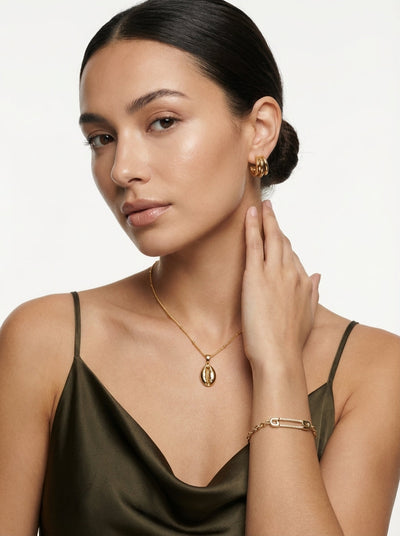
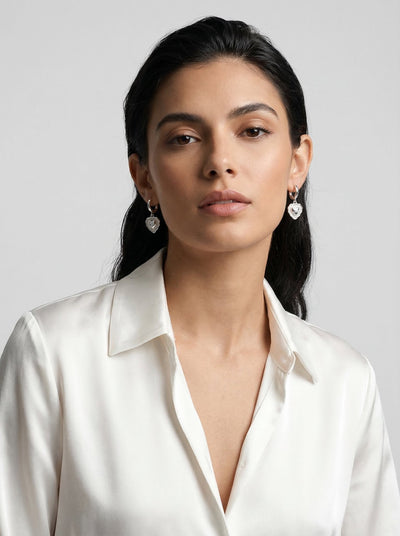
Our picks: Ciru Huggies, Rena Huggies, or Avi Huggies. These are polished, secure, and disappear into the background of your face while still making the look feel complete.

Should You Wear a Necklace to an Interview?
It depends on the neckline and the industry.
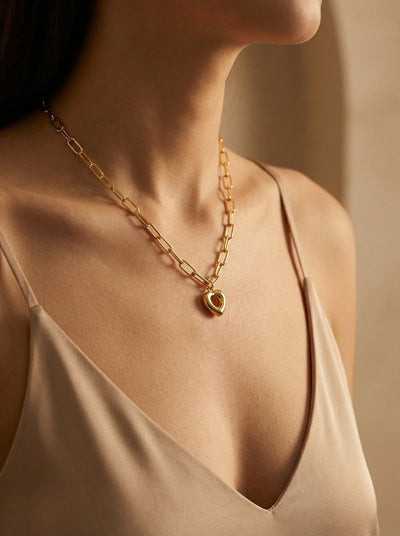
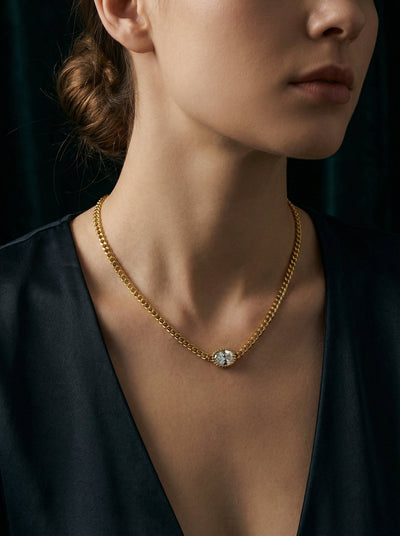
Yes, if: your top has an open neckline that looks empty without one. A small, centered pendant can complete the look.
No, if: your top is high-neck, buttoned, or already has visual detail at the neckline. Adding a necklace on top of that creates clutter.
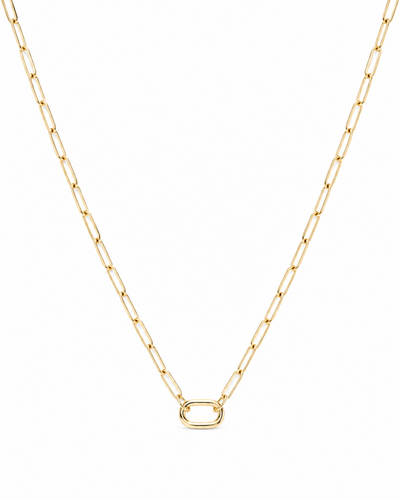
Best interview necklace: the Mevi Dainty CZ Pendant or the Vela Oval CZ Pendant. Both sit cleanly in the center and read as "polished" without drawing attention.

Bracelets for Interviews: The Forgotten Detail
Bracelets are often overlooked in interview prep. But if you are sitting across a desk, gesturing while answering questions, or shaking hands, your wrists are very visible.
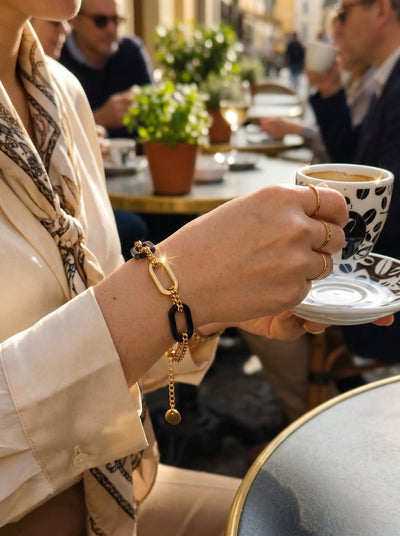
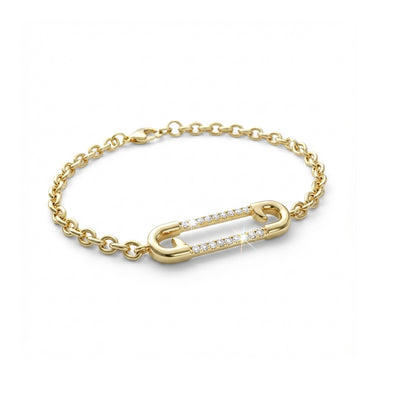
Best strategy: one flat, quiet bracelet. No jingle, no stacking, no noise.
Our picks: the Arlo Slim Flat Box Bracelet or the Hana Herringbone Bracelet. Both are flat enough to slide under a blazer cuff but polished enough to look intentional when exposed.

Interview Jewelry by Industry
Different industries have different unspoken rules about accessories.
Corporate / Finance / Law: very conservative. Huggies or small studs, one pendant at most, one ring. Nothing creative. Nothing that stands out.
Tech / Startup: more relaxed, but still edited. A clean hoop or a refined bracelet works. Avoid anything too "loud." Tech culture rewards looking capable, not flashy.
Creative / Fashion / Marketing: you have more room for personal expression. A directional huggie like Nelo or a modern cuff can actually work in your favor because it signals aesthetic awareness.
Healthcare / Education: practical and safe. No dangles, no sharp edges, nothing that could catch on equipment or be a distraction. Huggies are ideal.

Video Interview Jewelry Rules
In 2026, many first-round interviews happen on Zoom, Google Meet, or Teams. Video interviews change how jewelry reads because the camera crops your appearance to head and shoulders.
What works on camera:
- Earrings with clean outlines that are visible but not distracting
- One quiet pendant if your neckline is open
- Polished metal rather than high-sparkle stones (which can create flash)
What does not work on camera:
- Highly reflective pieces that create glare from your screen or ring light
- Dangly earrings that move every time you talk or nod
- Necklaces that bounce against the microphone if you are wearing a headset
For video interviews, Welo Huggies and Ciru Huggies are especially effective because they have enough shape to register on screen without causing visual noise.

Gold or Silver for an Interview?
Either works, but the choice should feel intentional rather than accidental.
Gold: feels warmer, slightly more classic, pairs well with navy, cream, black, and earth tones. Silver: feels sharper, slightly more modern, pairs well with grey, black, white, and cool-toned blazers.
Match the metal to the rest of your outfit and keep it consistent. Mixing metals in an interview usually looks less cohesive than staying with one tone.
What to Absolutely Avoid
Some jewelry choices can actively work against you in an interview:
- Jingling bracelets: they are audible during quiet conversations and Zoom calls
- Oversized statement earrings: they pull focus from your answers to your accessories
- Multiple ear piercings fully loaded: save the full ear stack for weekends
- Spinning rings: a nervous habit that interviewers notice
- Tarnished or lower-quality-looking metal: it undercuts the "attention to detail" message you are trying to send
This is one area where 18k Gold PVD jewelry genuinely helps. Because it does not tarnish, fade, or discolor, it always looks polished — even if it was the pair you slept in last night.
The Psychology of Interview Jewelry
Research on "enclothed cognition" suggests that what we wear affects not just how others see us, but how we see ourselves. Wearing jewelry that feels polished and professional can actually make you perform more confidently in the interview.
This is not about superstition. It is about psychology. When you look in the mirror before an interview and see someone who is put together, you walk into the room with more authority. Good jewelry is not just for the interviewer. It is also for you.
The No-Fail Interview Formula
If you want one formula that works across almost every industry:
- One pair of compact huggies
- One flat bracelet under your blazer cuff
- One small pendant if the neckline is open
- One consistent metal tone
- Nothing that makes noise, catches, or moves too much
That is it. Clean, quiet, confident.
How Interview Jewelry Differs from Office Jewelry
Once you have the job, your daily office jewelry can be slightly more expressive. But the interview is different. You are being evaluated before people know you. That means the jewelry should communicate reliability and professionalism before it communicates personality.
Think of interview jewelry as "first chapter" styling. You want it to open the door, not tell the entire story. Once you are inside, you can gradually introduce more personal pieces. But for the interview itself, clarity and control always win.
Why lower-quality Jewelry Is a Risk in Interviews
This is one of the few situations where low-quality jewelry can genuinely hurt you. Tarnished metal, green discoloration, or visibly fake-looking pieces signal a lack of attention to detail — which is exactly the opposite of what you want in an interview.
18k Gold PVD pieces are especially useful here because they maintain a consistent, polished finish no matter how long you have been wearing them. You do not have to worry about your earrings looking dull or your bracelet looking lower-quality under office lighting.
In an interview, the jewelry does not need to be expensive. It needs to look intentional. And looking intentional starts with quality finish.
Conclusion: Interview Jewelry Is About Control
Job interviews reward people who look like they are in control. That means controlled answers, controlled body language, and controlled styling.
Good interview jewelry does not scream. It whispers. It says "I pay attention to details, I understand this environment, and I take this seriously." And that message is worth more than any statement earring could ever provide.

According to Vogue, the most stylish women treat jewelry as an extension of their personality rather than a mere accessory.
Harper's Bazaar consistently highlights that quality jewelry styling is about intention and curation, not quantity.
As Who What Wear notes, the modern jewelry philosophy is about building a collection of versatile pieces that reflect your authentic style.
Frequently Asked Questions
What jewelry should I wear to a job interview?
Compact huggies or small studs, one quiet bracelet, and one small pendant if the neckline is open. The goal is to look polished without being distracting.
Can I wear hoops to a job interview?
Small to medium hoops (under 25mm) are fine for most modern workplaces. For very conservative industries like finance or law, huggies or studs are safer.
Should I wear jewelry to a Zoom interview?
Yes, but choose pieces that read well on camera. Polished huggies and one clean pendant are effective. Avoid high-sparkle pieces that create screen glare.
Is it better to wear gold or silver to an interview?
Either works. Match the metal to your outfit and keep it consistent. Gold feels warmer and more classic; silver feels sharper and more modern.
How many pieces of jewelry can I wear to an interview?
The Rule of Three is a reliable standard: earrings, one necklace or bracelet, and one ring. More than three visible pieces can start to feel cluttered in a professional setting.