










The Ultimate Guide to Ear Stacking: How to Build Your Perfect Ear Party in 2026
HyraModeYour ears are the new canvas. In 2026, a single pair of earrings isn't enough—you need a composition.
"Ear stacking" has evolved from a niche trend to the dominant way of wearing earrings. What started with fashion insiders curating multiple piercings has become mainstream, and now even people with just two lobe piercings are getting creative with how they style them.
But there's an art to it. Throwing on random earrings in each hole isn't stacking—it's chaos. True ear stacking is about balance, proportion, and creating a visual flow that draws the eye up the ear. Done right, it frames your face better than any contouring makeup.
This is the definitive guide to building your perfect "ear party" in 2026.

The Anatomy of an Ear Stack
Before you start buying earrings, you need to understand the landscape of your ear. Each piercing location has a different role in the overall composition.
The Foundation (Lobe): Your lowest piercing is the anchor. This should be your largest or most statement piece—the one that sets the tone. Think of it as the bass line in a song.
The Mid-Stack (Upper Lobe/Helix): These are your supporting pieces. They should complement the foundation without competing. If your lobe has a bold hoop, the upper lobe might have a simple stud.
The Accent (Tragus/Conch/Flat): These are your subtle details—a tiny sparkle that catches the light when you turn your head. They shouldn't be visible head-on, only from the side.
The Rules: As you move up the ear, earrings should generally get smaller. As you move from front to back (in a cartilage stack), they should get simpler.

The 4 Core Stacking Formulas
There are infinite combinations, but these four formulas are the most wearable and balanced:
Formula 1: The Classic Lobe Stack
Best for: Two lobe piercings (the most common setup)
The Look: Large hoop or huggie in the first hole, smaller stud or huggie in the second. The contrast in size creates visual interest without overwhelming.
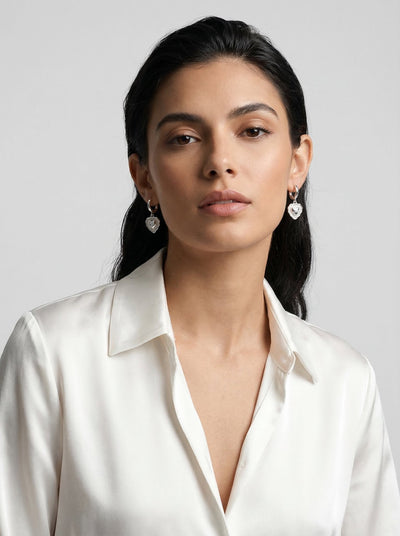
Our picks: Aura Oval Hoops in the first hole, Pilo Huggies in the second. The oval shape elongates the face; the huggie adds subtle sparkle closer to the jawline.

Formula 2: The Huggie Train
Best for: Three or more lobe piercings or cartilage piercings
The Look: Matching huggies in a row, decreasing slightly in size as you go up. This creates a "constellation" effect that's very on-trend for 2026.
The key: Use the same metal and similar styles. If you mix different designs, it looks messy. If you keep them coordinated, it looks intentional.
Our picks: Caia Croissant Huggies in various sizes. The textured finish catches light at every angle, creating a glittering column up the ear.

Formula 3: The Mixed Metal Moment
Best for: Fashion risk-takers who want an editorial look
The Look: Gold in one ear, silver in the other. Or alternating metals up a single ear. This was a runway trend that's now mainstream.
The key: Keep the styles identical even if the metals differ. If you wear Pilo Huggies in gold in your first hole, wear silver Pilo Huggies in the second. Matching shapes unite the look; mixed metals make it interesting.
Formula 4: The Statement + Support
Best for: Special occasions or when you want one earring to shine
The Look: One dramatic statement earring (like a sculptural drop) in the first hole, with tiny simple studs in all other holes. This draws all attention to the statement piece while the smaller earrings provide balance.
Our pick: Deva Liquid Metal Water Drops as the statement, with tiny ball studs or bare huggies as support.

The Art of Asymmetry
In 2026, perfectly matching ears are officially "out." The coolest stacks are intentionally asymmetrical—you might have three earrings in your left ear and two in your right. Or completely different styles on each side.
The Asymmetry Rules:
- If the style is different, keep the metal the same
- If the metal is different, keep the style the same
- Balance visual weight—if one ear has a big hoop, the other shouldn't be bare
Think of your two ears as conversation partners—they don't need to say the same thing, but they should be speaking the same language.
Piercing Placement: Where to Add Next
If you're building a stack from scratch, here's the order of operations:
1. Second Lobe: The easiest addition. Heals quickly, plenty of jewelry options.
2. Helix (Upper Ear Cartilage): The most popular cartilage piercing. Visible from the front, so it adds immediate impact.
3. Tragus: The little flap in front of your ear canal. Trendy but practical—it doesn't interfere with headphones.
4. Conch: The inner cup of your ear. Can be pierced as a ring or stud. Very 2026.
Pro tip: Wait 6+ months between new cartilage piercings. Your ear needs time to heal, and sleeping on a fresh piercing is miserable.

Matching Your Stack to Your Necklace
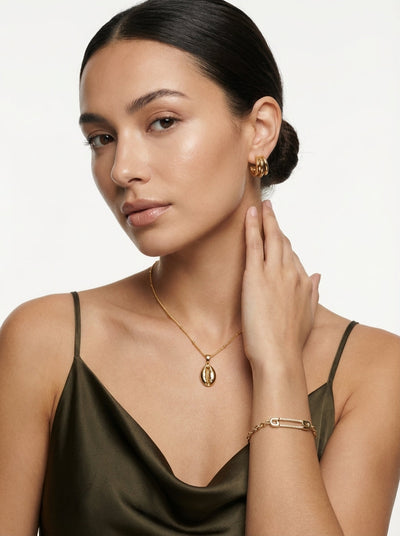
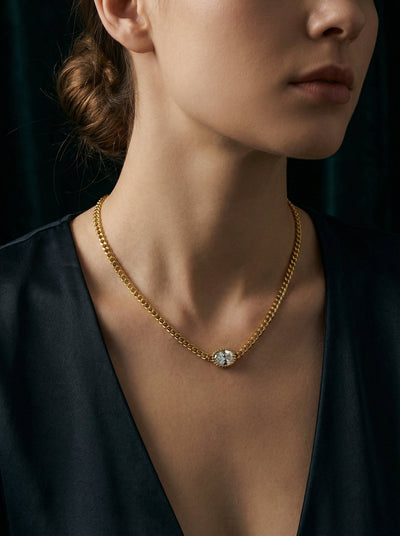
Your ear stack doesn't exist in isolation—it needs to work with your other jewelry. The key is echoing shapes and metals without being too matchy-matchy.
The coordination formula:
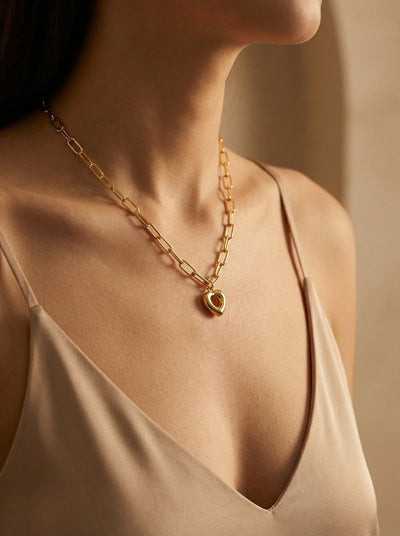
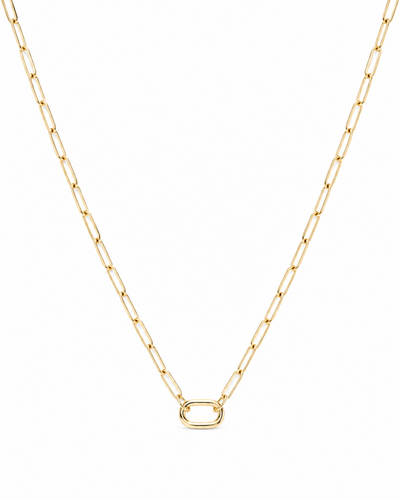
- If you're wearing a pendant necklace, your lowest lobe earring should echo its shape
- If your necklace is gold, at least one earring should be gold
- If your necklace has stones, echo the stone shape in your earrings (round studs with round pendants, etc.)
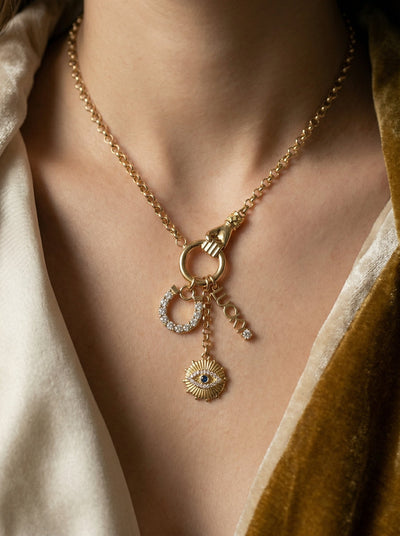
Our combo pick: Sola Sunburst Pendant with Pilo Huggies. The radiating sun shape echoes the circular huggie, creating a cohesive solar theme.

Caring for a Multi-Piercing Stack
More piercings = more maintenance. Here's how to keep your stack healthy:
- Rotate your earrings: Don't wear the same stack every day. Give your piercings a break by switching to simple studs occasionally
- Clean the backs: Earring backs collect more bacteria than the fronts. Soak them in rubbing alcohol weekly
- Check tightness: With multiple earrings, you're touching your ears more. Check that backs are secure daily
- Sleep smart: If you have lots of cartilage piercings, a travel pillow (with the hole in the middle) saves your ears while you sleep
For low-maintenance stacks, choose 18k Gold PVD pieces like HyraMode's collection. They're waterproof, tarnish-proof, and can handle the extra wear that comes with multiple piercings.
Ear Stacking by Face Shape
Just like hairstyles, ear stacks can be tailored to complement your face shape. The placement and size of your earrings can visually balance your features.
Round Faces: Elongate with vertical stacks. Use longer drops like the Deva Drops in your first hole, with smaller studs above. The vertical line creates the illusion of length.
Oval Faces: You're lucky—almost any stack works. Experiment with bold asymmetry since your face is already balanced. Try different metals on each ear.
Square Faces: Soften angles with rounded shapes. Hoops and huggies are your friends. Avoid sharp geometric studs that echo your jawline.
Heart Faces: Draw attention upward with upper ear piercings. A helix or flat piercing with a sparkle stud pulls the eye up, balancing a wider forehead.
The Psychology of Ear Stacking
Why has ear stacking become so popular? It's not just aesthetics—it's psychology.
First, it's controllable. Unlike other beauty trends that require genetics or expensive procedures, anyone can curate an ear stack. It's self-expression without barriers.
Second, it's incremental. You don't need to commit to a full look all at once. You can add one piercing at a time, one earring at a time. It's evolution, not revolution.
Third, it's intimate. Earrings are close to your face, in your peripheral vision all day. A well-curated stack is like wearing art that only you truly appreciate—others see it, but you live with it.
This is why the trend has staying power. It's not about following fashion—it's about crafting identity, one piercing at a time.
According to Vogue, bracelets are the most underrated jewelry category—subtle but impactful in every gesture you make.
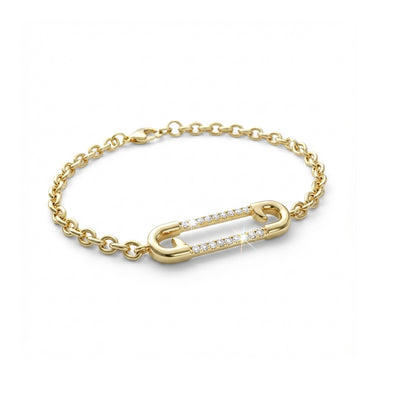
Harper's Bazaar notes that the bracelet stacking trend continues to evolve with mixed textures and metals.
Who What Wear recommends building a bracelet collection around one anchor piece and layering from there.
Frequently Asked Questions
How many earrings is too many for an ear stack?
There's no universal limit, but balance is key. Most people find 3-5 earrings per ear is the sweet spot—enough to create interest without looking cluttered. If you have more piercings, consider leaving some empty for negative space.
Can I mix gold and silver in the same ear stack?
Absolutely—mixed metals are a major 2026 trend. The key is intentionality. Either alternate metals in a pattern (gold, silver, gold) or keep one metal dominant with the other as an accent. Don't randomly mix without a plan.
What's the best earring type for beginners who want to start stacking?
Start with huggie earrings. They're versatile, comfortable for sleeping, and come in sizes small enough for cartilage piercings and large enough for lobes. Pilo Huggies are the perfect entry point—they're simple enough to go with everything but polished enough to elevate any stack.
How do I make my ear stack look intentional and not messy?
The secret is repetition. Use the same metal throughout, repeat similar shapes, and ensure earrings get smaller as you move up the ear. Messy stacks mix too many different styles; intentional stacks have a unifying theme.
Should both ears match perfectly?
Not in 2026! Perfectly symmetrical ears are considered dated. The modern look embraces asymmetry—different numbers of earrings on each side, different styles, or even completely different metals. As long as there's a unifying element (like all huggies, or all gold), asymmetry looks editorial, not accidental.