










Stainless Steel vs Silver Jewelry: Which One Should You Actually Buy in 2026?
HyraModeThey look almost identical in a photo. In real life, they perform very differently.
Stainless steel and silver are two of the most popular jewelry metals in 2026, and they are constantly compared because they share one obvious thing: they both look like cool, bright metal. But beneath the surface, they are fundamentally different materials with different strengths, different weaknesses, and different ideal use cases.
If you have ever wondered whether that "silver" necklace you bought was actually stainless steel, or whether stainless steel is "real" jewelry, or which one will survive your lifestyle better — this guide answers all of it.

The Basics: What Are These Materials?
Sterling Silver (925)
What it is: An alloy of 92.5% pure silver and 7.5% other metals (usually copper). It has been used in jewelry for centuries and is considered a precious metal.
Stainless Steel (316L)
What it is: An alloy of iron, chromium, nickel, and molybdenum. 316L (surgical grade) is specifically designed for medical implants and high-performance environments. It is an industrial metal adapted for jewelry.
Both can look virtually identical in a polished finish. The differences become apparent in how they behave over time.
The Side-by-Side Comparison
| Feature | Sterling Silver (925) | Stainless Steel (316L) |
|---|---|---|
| Tarnish resistance | Tarnishes over time (needs polishing) | Does not tarnish |
| Water resistance | Can tarnish faster with water exposure | Fully waterproof |
| Scratch resistance | Softer, scratches more easily | Very hard, highly scratch-resistant |
| skin-conscious | Usually safe (copper alloy can irritate some) | Yes (316L is nickel-safe and biocompatible) |
| Weight | Lighter | Heavier, more substantial feel |
| Maintenance | Requires regular polishing and anti-tarnish storage | Virtually maintenance-free |
| Price | $30-$150+ for quality pieces | $10-$30 for quality pieces |
| Precious metal status | Yes (regulated, hallmarked) | No (industrial metal) |
| Resale value | Some (based on silver content) | Minimal |
| Best for | Collectors, heirloom pieces, special occasions | Daily wear, active lifestyles, travel, 24/7 jewelry |

Tarnishing: The Biggest Practical Difference
This is where the two materials diverge most dramatically in daily life.
Sterling silver tarnishes. It is a chemical reaction between the silver and sulfur in the air. The result is a dark, dull layer that requires polishing to remove. If you live in a humid climate, near the coast, or store your silver in a bathroom, tarnishing happens faster.
Stainless steel does not tarnish. The chromium in the alloy creates a protective oxide layer that prevents corrosion. You can wear it in the shower, at the pool, at the gym, and to bed without any degradation.
For women who want jewelry they can put on and forget about, this single difference is often the deciding factor.
Water and Sweat: The Lifestyle Test
If you exercise, swim, shower, or live in a warm climate, your jewelry faces constant moisture exposure.
Silver: should ideally be removed before showering, swimming, or heavy sweating. Water does not instantly destroy silver, but prolonged exposure accelerates tarnishing and can dull the finish over time.
Stainless steel: fully waterproof. You can swim in the ocean, work out, shower, and sleep in it with zero concern. This is why stainless steel has become the default metal for "never take it off" jewelry.
Every piece in the HyraMode collection uses 316L surgical-grade stainless steel for exactly this reason.

Sensitive Skin: Which Is Safer?
Sterling silver: generally safe for most people. However, the 7.5% copper alloy can cause green discoloration on some skin types, and a small percentage of people react to copper with mild irritation.
Stainless steel (316L): extremely safe. It is the same material used in surgical instruments and medical implants. It is considered biocompatible and is one of the safest metals for piercings and sensitive skin.
If you have a known metal sensitivity, stainless steel is almost always the safer bet — especially for earrings that sit inside a piercing.
The Gold Factor: PVD Changes the Equation
One of the biggest advantages of stainless steel in 2026 is that it serves as the ideal base for 18k Gold PVD coating. Because the steel is so hard and corrosion-resistant, the PVD gold layer bonds more securely and lasts longer than it would on brass, copper, or even silver.
This means you can get the look of gold with the performance of surgical steel — waterproof, tarnish-proof, and skin-conscious. That combination does not exist with a silver base.
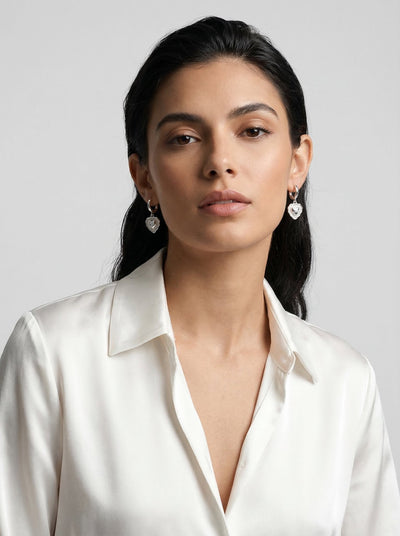
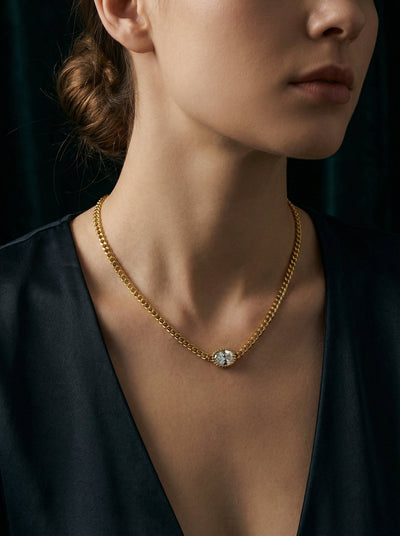
This is why pieces like the Vela Oval CZ Pendant, Pilo Huggies, and Hana Herringbone Bracelet are available in both gold and silver finishes on a stainless steel base — giving you the best of both worlds.

When Sterling Silver Is the Better Choice
Silver is not inferior — it is different. There are clear situations where sterling silver makes more sense:
- Heirloom jewelry — silver has been a precious metal for millennia and carries cultural weight
- Investment pieces — silver has resale value; stainless steel does not
- Fine jewelry — for formal, traditional, or high-end designs, silver signals "precious"
- Collectors — if you enjoy the ritual of caring for and polishing your jewelry
If you view jewelry as an art form, a legacy, or a collectible, silver has a romance that industrial steel simply does not carry.
When Stainless Steel Is the Better Choice
Stainless steel wins when lifestyle and practicality are the priority:
- Daily wear — no maintenance, no worry, no tarnish
- Active lifestyles — gym, swimming, sports, outdoor activities
- Sensitive skin — the safest common metal for piercings
- Travel — you can wear it anywhere without concern for damage
- everyday — significantly more affordable than silver for the same visual result
- Sleep-in jewelry — comfortable, safe, and maintenance-free overnight
If you want jewelry you can live in — literally — stainless steel is the answer.
Can You Tell Them Apart by Looking?
In most cases, no. A well-polished 316L stainless steel piece and a polished sterling silver piece look virtually identical to the naked eye, especially at normal viewing distances.
The main visual differences are subtle:
- Silver has a slightly warmer, softer reflection
- Stainless steel has a slightly cooler, sharper shine
- Silver develops patina over time; stainless steel stays consistent
Most people — including jewelry enthusiasts — cannot reliably distinguish them in real-world conditions.

The Maintenance Reality
Silver maintenance: polish every 2-4 weeks with a silver cloth. Store with anti-tarnish strips. Remove before showering. Avoid contact with perfume, lotion, and chlorine. Handle with care.
Stainless steel maintenance: wipe with a damp cloth occasionally. That is it.
For women who want their jewelry routine to be simple, stainless steel eliminates the entire maintenance burden that silver requires.
The Cost Comparison
A quality sterling silver huggie earring typically costs $40-$80. A quality stainless steel huggie with 18k Gold PVD typically costs $10-$20. The visual difference is negligible. The lifestyle difference is significant.
This is not about "lower-quality vs expensive." It is about what you are paying for. With silver, you are paying for precious metal status. With stainless steel, you are paying for daily performance. Both are valid — they just serve different purposes.
Can You Mix Silver and Stainless Steel?
Yes. In fact, most people already do without realizing it. Many watches use stainless steel, and many necklaces or earrings are sterling silver. They look essentially the same when polished, so mixing them in an outfit is seamless.

Which Should You Choose?
The answer depends entirely on how you live:
- Choose silver if you value tradition, precious metal status, and do not mind regular maintenance
- Choose stainless steel if you want to wear it 24/7, hate maintenance, and prioritize durability over tradition
- Choose stainless steel with PVD gold if you want the look of gold with the performance of surgical steel
For most women building an everyday jewelry wardrobe in 2026, stainless steel — particularly with 18k Gold PVD coating — offers the best combination of look, durability, comfort, and value.
Conclusion: Same Look, Different Lifestyles
Stainless steel and silver look almost identical. But they live very different lives. Silver asks you to care for it. Stainless steel asks nothing.
The right choice is not about which metal is "better." It is about which metal matches how you actually live. If your life includes showers, gyms, travel, and 24/7 wear, stainless steel is the smarter choice. If your life includes jewelry rituals, heirloom collecting, and precious-metal traditions, silver still has a place.
In 2026, you do not have to choose one forever. But knowing the difference helps you choose right every time.

According to Vogue, the most stylish women treat jewelry as an extension of their personality rather than a mere accessory.
Harper's Bazaar consistently highlights that quality jewelry styling is about intention and curation, not quantity.
As Who What Wear notes, the modern jewelry philosophy is about building a collection of versatile pieces that reflect your authentic style.
Frequently Asked Questions
Does stainless steel jewelry tarnish?
No. 316L surgical-grade stainless steel does not tarnish, rust, or corrode under normal wear conditions. It maintains its finish indefinitely.
Is stainless steel jewelry real jewelry?
Yes. While it is not a precious metal like gold or silver, stainless steel is widely used in high-quality jewelry, watches, and medical devices. It is valued for its durability, skin-conscious properties, and polished finish.
Can I shower with stainless steel jewelry?
Yes. Stainless steel is fully waterproof and will not tarnish, fade, or degrade from water, soap, or steam exposure.
Is sterling silver better than stainless steel?
They serve different purposes. Silver is a precious metal with resale value and tradition. Stainless steel is more durable, waterproof, and maintenance-free. Neither is universally "better" — the right choice depends on your lifestyle.
Can you tell the difference between silver and stainless steel?
In most cases, no. When both are polished, they look virtually identical to the naked eye. Silver has a slightly warmer tone and develops patina; stainless steel stays consistently bright.