











Jewelry for Nurses: What You Can Actually Wear on Shift (and What to Avoid)
HyraModeYou spend 12 hours on your feet, wash your hands 50 times, and put on gloves more often than you put on makeup. Your jewelry needs to survive all of it — without getting in the way of your job.
Nursing is one of the most demanding environments for jewelry. Between infection control policies, frequent hand-washing, glove changes, patient contact, and the sheer physical demands of the job, most "normal" jewelry simply does not work. Rings snag on gloves. Dangly earrings are a safety hazard. Necklaces get caught on equipment. And anything that needs to be removed before scrubbing in adds one more step to an already demanding routine.
In 2026, the solution is not to stop wearing jewelry. It is to wear the right jewelry — pieces designed for exactly the conditions nurses face every day.

The Nursing Jewelry Rules: Safety First
Most hospitals and healthcare facilities have specific jewelry policies. While rules vary by institution, the general standards are:
- Earrings: small studs or huggies only — no hoops, no dangles, no drop earrings
- Necklaces: must be short enough to tuck inside scrubs, or not worn at all
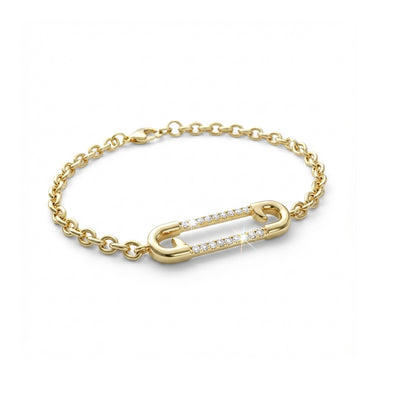
- Bracelets: generally not allowed (infection control — they interfere with hand hygiene)
- Rings: typically limited to a plain wedding band (rings harbor bacteria under the setting)
- Watches: some facilities require fob watches instead of wrist watches
Always check your specific facility's policy. The guidelines above are the most common, but ICU, OR, and sterile environments may have stricter rules.
Why Huggies Are the #1 Earring for Nurses
Huggie earrings are the gold standard for nurses because they meet every requirement of a healthcare environment:
- No catching risk: they sit flush against the earlobe with no protruding elements
- No dangling: nothing for a patient, a piece of equipment, or a mask strap to grab
- No removal needed: they can stay in through hand-washing, gloving, and even showers after shift
- skin-conscious: surgical stainless steel is the same material used in medical instruments
- Easy to clean: can be wiped with alcohol or washed with antibacterial soap
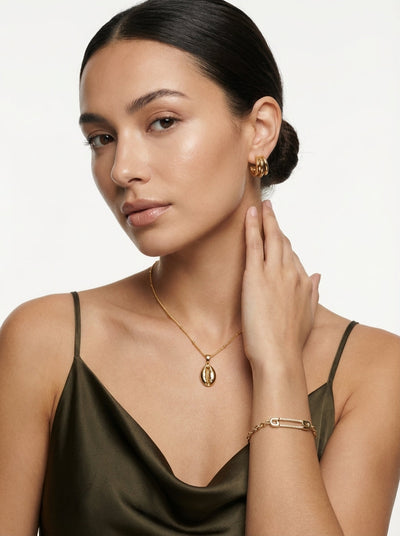
Our picks: Pilo Huggies, Ciru Huggies, and Avi Huggies. All three are made from 316L surgical stainless steel — the exact same grade used in surgical instruments and implants.

The Infection Control Factor
Jewelry in healthcare is not just a style choice — it is an infection control consideration. Studies have shown that jewelry, particularly rings and bracelets, can harbor bacteria even after hand-washing.
Why earrings are generally safer:
- They do not contact patients directly
- They do not interfere with hand hygiene
- Huggies have smooth, closed surfaces with minimal crevices for bacteria to hide
Why bracelets and rings are problematic:
- They create a barrier between the skin and soap/sanitizer during hand-washing
- Bacteria can accumulate under settings, chains, and clasps
- They can tear gloves during gloving and degloving
If your facility allows earrings but not bracelets, earrings become the primary way to express personal style during shifts.
Necklaces for Nurses: Keep It Hidden or Skip It
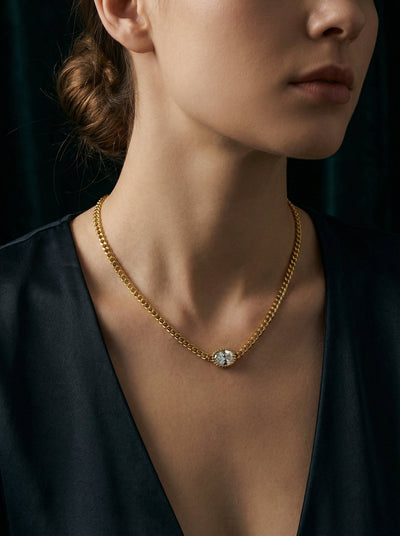
Most facilities require necklaces to be short enough to tuck completely inside your scrub top. A necklace that hangs outside the neckline is a potential safety hazard — it can be grabbed by patients (especially in psych or dementia units), caught on equipment, or contaminated during procedures.
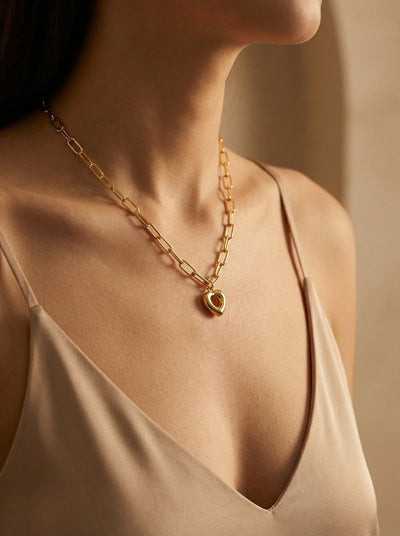
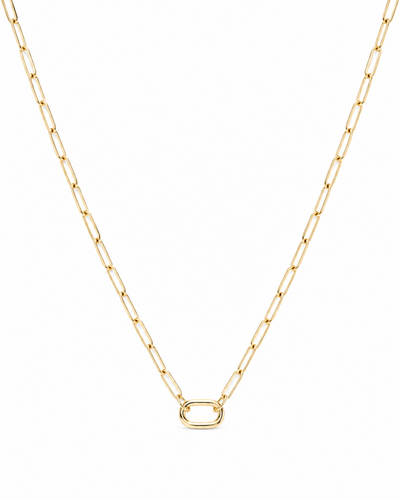
Best strategy: a very short pendant (16" or less) that stays inside the scrub neckline. The Mevi CZ Pendant on its shortest setting sits at 16" — short enough to tuck in but still visible when you change out of scrubs after shift.
Why this matters emotionally: many nurses wear a meaningful necklace under their scrubs as a personal touchstone — a heart from a partner, a star for a child, a pendant from a loved one. It does not need to be seen to carry emotional weight.

What About Off-Shift Style?
The beauty of nurse-safe jewelry is that it does not have to look "medical." The same huggies you wear during a 12-hour shift can look polished at brunch, elegant at dinner, and modern at a weekend event.
Because HyraMode huggies are made from 18k Gold PVD on surgical steel, they do not look like medical jewelry. They look like fashion jewelry that happens to be indestructible.
This dual-purpose quality is one of the biggest reasons nurses love huggie earrings: one pair works for shift and life.
The 3-Piece Nurse Jewelry Kit
If you are building a nursing-compatible jewelry collection, here is the formula:
- One pair of gold huggies: Pilo or Avi — your daily shift earring
- One pair of silver huggies: Ciru — for variety and cooler outfits
- One short pendant: Mevi or Kaia Heart Key — tucked under scrubs during shift, visible after
Total cost: made for everyday styling. Total versatility: shift, post-shift, weekends, and everything in between.

Materials That Survive Hospital Environments
Hospital environments are especially harsh on jewelry:
- Frequent hand sanitizer exposure (alcohol-based — strips traditional plating)
- Antimicrobial soap (stronger than regular soap)
- Hot water (frequent and prolonged)
- Chemical splashes (cleaning solutions, medications)
- Constant friction (mask straps, stethoscopes, scrub collars)
Traditional gold plated earrings will not survive this environment for more than a few weeks. Sterling silver will tarnish rapidly. Only surgical stainless steel (with or without PVD gold coating) can handle the daily chemical and physical assault of a hospital shift.
Cleaning Jewelry After Shifts
Even with waterproof, infection-control-safe jewelry, basic cleaning after shifts is good practice:
- Wipe earrings with an alcohol swab once a week (the same kind you use for patient prep)
- Wash pendants with antibacterial soap if they contacted your skin during a sweaty shift
- Check huggie hinges monthly to ensure they are still closing securely
PVD-coated stainless steel is fully resistant to alcohol and antibacterial soap, so you do not need to worry about damage from cleaning.
Why Nurses Deserve Good Jewelry
Nursing is a profession built on caring for others — often at the expense of caring for yourself. A small pair of beautiful earrings is not vanity. It is a reminder that you are a person, not just a role.
Many nurses say their daily earrings are one of the few things that feel "theirs" during a shift. When everything else is dictated by policy, protocol, and patient needs, a pair of earrings is a quiet act of self-expression.
You deserve jewelry that honors both your professionalism and your personality.

Jewelry for Other Healthcare Workers
The same principles apply to other healthcare roles:
- Doctors: same rules as nurses in clinical settings. Huggies and tucked pendants.
- Dental hygienists: face shields and masks make earring choice even more important — nothing that catches on straps.
- Physical therapists: active movement means no dangles, no loose chains.
- Veterinary staff: animal contact adds scratching and biting risks — huggies are the safest option.
Nurse Gift Idea: A Huggie Upgrade
If you are shopping for a nurse — whether for Nurses Week, a birthday, or graduation — a pair of high-quality waterproof huggies is one of the most thoughtful gifts you can give.
It says: "I know your job is demanding. I know you sacrifice your own comfort for others. Here is something beautiful that can survive your life without adding any burden to it."
The Pilo Huggies or Ciru Huggies are both made for everyday styling. Check the listed materials and dimensions to choose a pair that suits you.
Conclusion: Nursing Jewelry Should Work as Hard as You Do
The best jewelry for nurses is not the prettiest. It is the smartest. It is the jewelry that survives hand sanitizer, mask straps, and 12-hour shifts. It is the jewelry that never needs to be removed, never causes a reaction, and never gets in the way of patient care.
When the jewelry works as hard as you do, you stop managing your accessories and start focusing on what actually matters.
The right jewelry for a nurse is not just beautiful. It is built to keep up with the most demanding job in healthcare.
Wear it through every shift. It can take it.
Nurses deserve jewelry that respects both their profession and their personality. And in 2026, that jewelry exists — waterproof, skin-conscious, affordable, and beautiful enough to wear on shift and after.
According to Vogue, the most stylish women treat jewelry as an extension of their personality rather than a mere accessory.
Harper's Bazaar consistently highlights that quality jewelry styling is about intention and curation, not quantity.
As Who What Wear notes, the modern jewelry philosophy is about building a collection of versatile pieces that reflect your authentic style.
Frequently Asked Questions
Can nurses wear earrings at work?
Most hospitals allow small studs or huggie earrings. Hoops, dangles, and drop earrings are generally not permitted due to safety and infection control concerns. Always check your facility's specific policy.
What are the best earrings for nurses?
Huggie earrings made from surgical stainless steel (316L) are the best choice. They are skin-conscious, waterproof, resistant to hand sanitizer, and sit flush against the ear with no catching risk.
Can nurses wear necklaces?
Usually only if they can be tucked completely inside the scrub top. A short pendant (16" or less) is the safest option. Some facilities prohibit necklaces entirely in clinical areas.
Why can't nurses wear bracelets?
Bracelets interfere with hand hygiene and can harbor bacteria. They also risk tearing gloves during gloving and can scratch patients during care. Most facilities prohibit wrist jewelry for clinical staff.
Are gold plated earrings safe for nursing shifts?
Standard gold plated earrings on brass are not ideal because frequent hand sanitizer and soap exposure will strip the plating quickly. 18k Gold PVD on stainless steel is a much better choice for the hospital environment.
Recommended Reading
For product-specific care, see our Jewelry Care Guide.