










Textured Gold Earrings: How to Wear the Ribbed, Fluted, and Organic Detail Trend in 2026
HyraMode
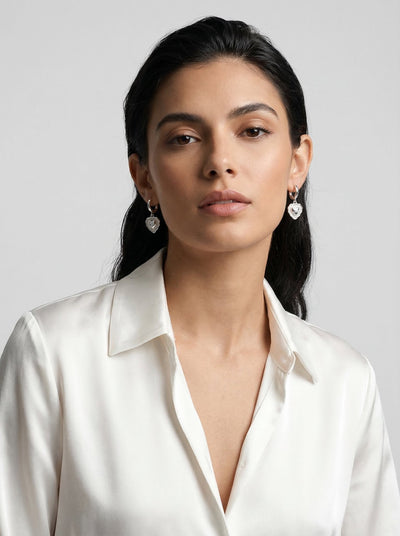
There's a certain kind of earring that makes people stop mid-conversation and ask, wait, where are those from? It's not usually the biggest pair in the room. It's the one with something happening on the surface — a ripple of ribbing, a leaf-like grain, a fluted curve that catches light from three different angles at once. That's the energy behind the textured gold earring trend, and in 2026, it's not a trend so much as a permanent upgrade.
Smooth, polished metal will always have its place. But texture? Texture tells a story. It makes even a tiny stud look like it was cast by hand in a small studio in Florence. It turns a hoop into something your grandmother would have saved in a velvet box. And most importantly, it makes your everyday jewelry stack look like it actually took thought — even when you grabbed it in thirty seconds before running out the door.
Here's the full guide to understanding, styling, and living in textured gold earrings in 2026.
Why Texture Is the Jewelry Upgrade Your Wardrobe Is Asking For
The minimalist wave of the early 2020s gave us a lot of beautiful things — dainty chains, plain hoops, negative-space pendants. But by 2025, the pendulum started swinging back toward pieces with a point of view. Texture became the middle ground between maximalist statement jewelry and the nothing-at-all minimalist approach — a way to add visual interest without adding volume or noise.
Fashion editors at publications like Vogue and Harper's Bazaar flagged the tactile jewel as one of the key accessories stories heading into 2026, specifically calling out ribbed and fluted surfaces as the natural evolution of the clean-girl aesthetic. The idea is that texture reads as artisanal — hand-finished, considered, the opposite of mass-produced. It makes everyday jewelry look like investment jewelry, which is genuinely useful for everyone.
The other thing texture does? It interacts with light differently across the day. A plain gold stud looks the same under office fluorescents as it does under dinner candlelight. A fern-patterned stud, a ribbed hoop, a fluted huggie — these pieces shift and shimmer as you move, which means they work harder for you around the clock.
What Makes an Earring "Textured"? A Quick Breakdown
Not all texture is the same, and the vocabulary matters when you're shopping. Here's the short version:
Ribbed or fluted: Parallel grooves running along the surface, either straight or curved. Think of the inside of a fluted column, or the ridged outside of a French butter mold. Ribbed hoops and ribbed huggies fall into this category — the grooves create a sense of movement even when the piece is still.
Organic grain or hammered: Irregular surface variation that mimics natural textures — beaten metal, leaf veining, bark, or stone. The Fern Textured Stud Earrings are a perfect example: the surface reads almost botanical, like a pressed fern preserved in gold.
Geometric surface detail: Patterns like honeycomb, hexagonal facets, or repeating angular marks. The Hex Square Huggie Earrings sit in this space — the squared-off shape combined with surface geometry creates a piece that's architectural but still warm.
Twisted or braided: Metal that's been worked into rope or twisted wire patterns, creating a dimensional, 3D texture rather than a surface treatment. Each category has its own styling logic, but all of them share the key quality: they're more interesting to look at than a plain metal surface, and they hold up better visually across different skin tones and undertones.

The Fern and Leaf-Inspired Stud: Small Earring, Big Statement
If you're new to textured jewelry, the Fern Textured Stud Earrings are the entry point that makes everything click. The size is classic stud territory — nothing that's going to catch on a turtleneck or compete with your collar — but the surface is anything but basic. The organic, botanical grain reads differently in every light condition, and because the silhouette is restrained, you can actually wear these every single day without them feeling like a commitment.
The real genius of the fern stud is that it works in both directions of your wardrobe. Wear it to the office and it looks considered and professional. Wear it to a weekend brunch and it looks like you have good taste without trying. Stack it with a second or third lobe stud for an ear party, or let it be a solo moment — both approaches work because the texture carries the interest.
According to the Gemological Institute, surface finishes and finishing techniques are among the most important value indicators in fine and fashion jewelry alike — a textured finish requires additional manufacturing steps that a plain polished piece doesn't, which is part of why textured pieces tend to hold visual value longer than their smooth counterparts.
Available in gold and silver, both versions of this stud earn their place in a permanent rotation. The gold reads warm and season-less; the silver is sharper and works especially well stacked against other cool-toned pieces.

Ribbed Hoops: The Earring Shape Stylists Can't Stop Reaching For
Ribbed hoops had a major moment at 2025 fashion weeks and haven't slowed down. The texture solves the one problem plain hoops sometimes have — at a certain size, a smooth gold hoop can read as a little bit flat. Add ribbing to the surface and suddenly the same size hoop looks like it has three times the presence, catching light from every angle as it moves.
The Mara Ribbed Open Hoop Earrings are the version of this that gets the balance exactly right. The open design means they're lightweight despite their presence — no heaviness on the lobe after a long day — and the ribbed surface texture across the hoop's body catches both natural and artificial light in a way that a plain hoop simply can't replicate.
Style them with a high ponytail or a slicked-back bun to let the earrings fully do their job. When your hair is up, the movement of a ribbed hoop becomes almost cinematic. They're also a natural fit for turtlenecks and crewnecks, where the earring is the only visible jewelry and therefore carries the whole look.
For sizing guidance: the Mara sits in a medium-size range that works for both daytime professional settings and evening looks. If you're building toward an ear party, use this as your statement piece in the first or second lobe and build smaller, more delicate pieces above it.

Huggie Drop Styles: When a Little Swing Changes Everything
The huggie-plus-drop combination is one of the most flattering earring silhouettes ever designed. The huggie hugs the lobe closely — no dangling, no snagging — while the drop element adds length and movement without weight. When you build texture into either the huggie, the drop, or both, the result is an earring that genuinely looks like it cost four times what it did.
The Gela Huggie & Drop Earrings work in the warmer gold tone, with a subtle surface detail on the huggie body that catches light before the drop even begins to move. The total silhouette is elegant without being formal — the kind of earring that makes a blazer look intentional and makes a sundress look expensive.
Similarly, the Fova Huggie & Drop Earrings offer that same hugging-plus-movement relationship with a slightly different proportion that works especially well for anyone with a longer face or a preference for earrings that sit closer to the jaw. Drop huggies are one of the most universally flattering earring shapes regardless of face shape, hair length, or personal style.

Textured Huggies: The Sweet Spot Between Subtle and Special
A textured huggie earring is the Swiss Army knife of the accessory world — professional enough for a 9am presentation, interesting enough for a 9pm dinner, and small enough that you can layer five other pieces around it without anyone's eye knowing where to look first. And yet, somehow, people always notice.
The Nelo Huggie Earrings have that quality in both gold and silver — a shape that's satisfying from every angle, a surface that rewards a second glance. The Pilo Huggie Earrings lean slightly more architectural, with a surface detail that suits anyone drawn to the geometry side of the texture spectrum.
One key styling tip for small textured huggies: wear them alone in the second lobe above a larger statement earring rather than as the primary piece. The texture reads beautifully in supporting roles — visible to anyone who's paying attention, but not competing for center stage. This is the edit that separates a good ear party from a great one.
Style note for metal mixing: textured huggies are actually one of the easiest pieces to wear in mixed metal stacks, because the surface variation creates a visual bridge between gold and silver tones. A gold textured huggie can sit right next to a silver stud and the difference feels intentional rather than accidental.
How to Build an Ear Party Around a Textured Statement
The ear party — multiple earrings worn across different lobe positions and helix piercings — is still one of the strongest jewelry stories of 2026. But how you build it matters as much as what you put in it. Texture is the ingredient that makes an ear party feel curated versus chaotic.
The rule that consistently works: lead with one textured statement and let everything else be smoother and smaller. If the Mara Ribbed Hoop is in your first lobe, choose a tiny ball stud for the second lobe and maybe a delicate huggie for the third. The ribbed hoop anchors the look; the plain pieces give the eye somewhere to rest.
If you're working with multiple piercings and want more texture throughout, keep the pieces the same metal family and vary the texture type rather than the color — ribbing at the lobe, an organic grain stud higher up, a geometric huggie at the helix. Variation within a palette always reads better than variation in every direction at once.
For a deeper dive into building your ideal ear combination, our guide to stacking earrings in 2026 walks through the positioning and proportion logic in detail.

Mixing Textures with Metals: Gold, Silver, and Two-Tone Rules
Here's something the fashion world figured out a while ago but took a while to filter into everyday styling advice: mixing metals is not only allowed, it's often better. The question is how you mix them, and texture makes that question much easier to answer.
When you're working with textured pieces, the surface variation acts as a visual connector between different metal tones. A ribbed gold hoop and a hammered silver stud share the language of texture even though they're different colors — the eye reads them as part of the same intentional system.
The two-metal rule that works consistently: keep one metal dominant (about 70%) and let the other be an accent (about 30%). All-gold ear party with one silver textured huggie? Beautiful. Mostly silver with a warm gold drop earring? Equally good. The trouble only starts when the split is exactly 50/50, which can feel accidental rather than deliberate.
To explore the full logic of metal mixing in a complete outfit context, our guide to mixing gold and silver jewelry is the resource you need.
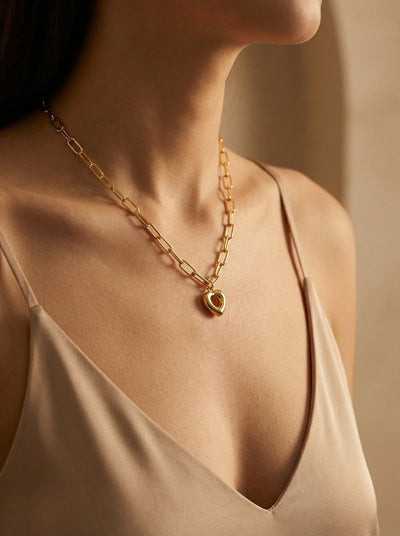
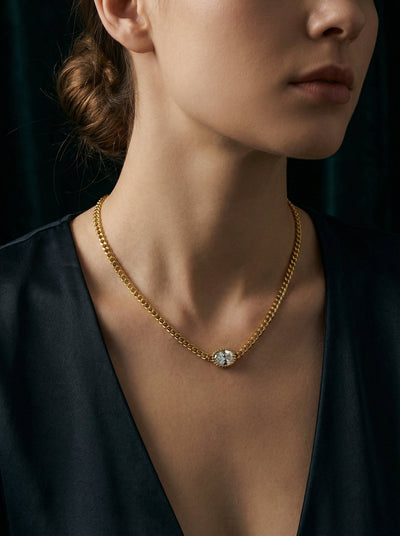
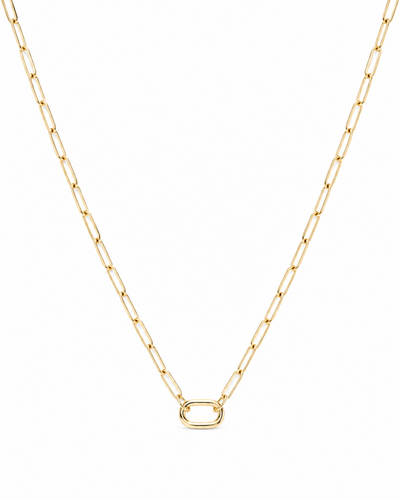
And if you want to anchor a textured earring look with a necklace, the Kaia Heart Key Pendant Necklace in gold is one of the cleanest ways to do it — the dainty chain contrasts beautifully with heavier surface texture at the ear, so each element reads clearly without competing.

What Outfits Work Best with Textured Earrings?
The honest answer is: almost everything, as long as you're matching the scale of the earring to the scale of the outfit. Here's the quick cheat sheet:
Solid colors and basics: This is where textured earrings shine brightest. A plain white tee, a solid crewneck, a classic camel coat — these are the canvases that let a fern stud or a ribbed hoop speak without competition. The earring becomes the point.
Prints and patterns: Go smaller. A busy floral or a bold stripe can absorb a lot of visual energy, so you want a textured earring that's interesting up close but doesn't fight the fabric from across the room. The Fern Stud, a small textured huggie — these are your friends here.
Minimalist and monochrome dressing: This is the power zone for ribbed hoops and larger textured drop earrings. When the outfit is deliberately quiet, you can push the earring louder without anything feeling off. An all-black outfit with the Mara Ribbed Hoop is one of those combinations that looks effortful when it takes thirty seconds.
Workwear: Textured studs and small textured huggies are the professional sweet spot. They satisfy a dress code that leans conservative while still making you feel like yourself. The Fern Stud in gold is specifically the piece for anyone who wants to look polished in a serious environment without looking like they've abandoned their personal style entirely.
According to Real Simple's style panel, textured accessories are consistently rated as the single most effective way to upgrade a basic outfit without changing any other element — more effective than a bag change, more effective than a shoe swap. That's a bold claim, but anyone who has swapped a plain stud for a textured one midway through a workday will tell you it holds up.
How to Care for Textured Gold Earrings (Without Ruining the Detail)
Textured surfaces collect more grime than smooth ones — that's just physics. Skincare, hairspray, and everyday contact all settle into grooves more readily than they slide off a polished surface. The good news is that cleaning textured pieces is straightforward once you know the method.
Weekly: a soft toothbrush, warm water, and a single drop of mild dish soap. Work the bristles gently along the grain of the texture, not against it — you want to lift debris out, not push it deeper. Rinse under warm (not hot) water and pat dry with a lint-free cloth. Let pieces air-dry completely before storing.
Monthly, or after any exposure to heavy products like sunscreen or hair oil, a slightly longer soak in warm soapy water (five minutes maximum) followed by the same brushing technique will reset the piece entirely. Avoid ultrasonic cleaners for very fine textured surfaces — the vibration can affect delicate grain details over time.
For storage, individual small pouches or a compartmentalized jewelry box prevent pieces from knocking against each other, which matters especially for textured earrings whose surface details can scratch against harder metals. Store gold and silver separately if possible to prevent transfer of surface oxidation over long periods.
For the complete jewelry care methodology across all materials and finishes, our 2026 jewelry cleaning guide is the reference to bookmark.
According to Vogue, earrings are the single most impactful accessory for framing your face and expressing personal style.
As Harper's Bazaar notes, the right pair of earrings can transform any outfit from basic to polished.
Who What Wear editors consistently recommend investing in versatile earring styles that transition from day to night.
Frequently Asked Questions
What are textured gold earrings?
Textured gold earrings feature surface details — like ribbing, fluting, hammering, or organic grain patterns — that catch light differently from smooth metal. The surface variation gives each piece a handcrafted, dimensional feel that reads as more expensive and interesting than a plain polished finish.
Are textured earrings in style for 2026?
Yes. Texture is one of the dominant jewelry stories of 2026, driven by the broader shift toward artisanal, tactile aesthetics and a move away from super-minimal plain metal. Ribbed hoops, hammered huggies, and organic stud designs are all trending across fashion week looks and street style.
Can I wear textured earrings every day?
Absolutely. Textured stud earrings and small huggies are some of the best everyday styles because the surface detail elevates even a basic jeans-and-tee look without requiring effort. They're low-profile enough for work but interesting enough that people notice.
Do textured earrings work with other textured jewelry?
Yes — the trick is to match the scale, not the exact pattern. A ribbed hoop pairs beautifully with a hammered bracelet or a snake chain necklace because the variation stays in the same "organic texture" family. Avoid mixing more than two distinct textures in one look to keep things intentional.
How do I clean textured gold earrings without damaging the detail?
Use a soft toothbrush, a drop of gentle dish soap, and warm (not hot) water. Work the bristles lightly along the grain of the texture to dislodge any buildup, then rinse and pat dry with a lint-free cloth. Avoid soaking textured pieces for long periods, and skip abrasive cloths that can flatten fine surface details.