










What Makes Jewelry Look Expensive — When It Actually Was Not
HyraModeWhat Makes Jewelry Look Expensive — When It Actually Was Not
You have seen it before. Someone walks into a room wearing one necklace, one pair of earrings, and maybe a bracelet — and the whole outfit looks polished, intentional, and expensive. You assume it cost a fortune. It did not. She just chose well.
That is the difference between expensive jewelry and expensive-looking jewelry. One drains your everyday. The other is a styling skill. And once you understand what creates that "quiet luxury" effect, you stop overspending and start dressing smarter.
This guide breaks down the design cues, styling habits, and product choices that make everyday jewelry look and feel like a much bigger investment.

Why some $15 pieces look better than $200 ones
It comes down to three things: silhouette, finish, and restraint. Expensive-looking jewelry almost never screams for attention. It sits quietly on the skin, catches light in the right places, and does not try too hard.
Think about the pieces that always get compliments. They are usually simple — a clean hoop, a single pendant, a flat chain. They are not covered in rhinestones or oversized charms. They feel deliberate. That deliberateness is what reads as "expensive" to anyone looking at you.
On the other hand, pieces that look lower-quality usually have one of these problems: the shape is too busy, the finish looks dull or uneven, or the proportions feel off against the neckline or face. Price has less to do with it than you think.
The design details that signal quality
Certain visual cues immediately make jewelry look more refined. These are the things your eye picks up on — even if you cannot name them:
- Clean edges: Smooth, well-finished lines without visible rough spots or uneven closures.
- Warm gold tone: A rich, even gold color that looks natural on the skin — not brassy, not orange, not too yellow.
- Subtle weight: Pieces that feel present on the skin but not heavy. That balance between "I can feel it" and "I forget it is there" is the sweet spot.
- Proportion: Earrings that suit your face shape. A necklace that sits at the right point on your neckline. A bracelet that does not overwhelm your wrist.
- Minimal branding: No loud logos, no visible brand stamps on the front. The piece speaks for itself.
If you pay attention to these five things when you shop, you will naturally filter out the pieces that look lower-quality — regardless of price.

The "quiet luxury" formula for everyday jewelry
Quiet luxury in jewelry means choosing fewer, better-looking pieces and wearing them consistently. It is the opposite of trend-chasing. Instead of buying ten fast-fashion earrings and rotating them weekly, you invest in three to five core pieces that work with everything in your closet.
The formula is simple:
- One pair of everyday earrings — huggies or small hoops that go with casual and dressy outfits.
- One pendant necklace — something delicate that layers or wears alone.
- One bracelet — clean, slim, and comfortable enough to forget about.
- One statement piece — a slightly bolder earring or layering necklace you pull out when you want more impact.
That is four pieces. If each one is well-designed and versatile, you have hundreds of outfit combinations covered. This is what stylists mean by "capsule jewelry" — and it is the most cost-effective way to always look put together.
Our 7-Piece Capsule Jewelry Wardrobe guide walks through the full build if you want to go deeper.
The pieces that always look more expensive than they are
Certain styles consistently read as "luxury" even at accessible price points. Here are the categories that punch above their weight:
Huggie earrings
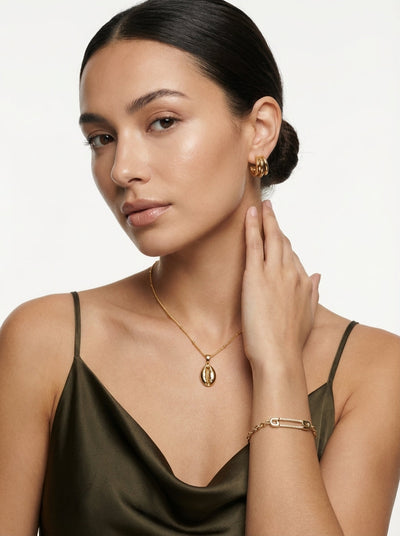
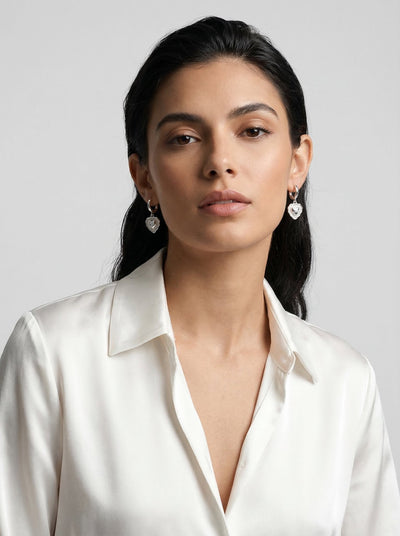
Huggies are the single easiest upgrade for everyday style. They sit close to the ear, catch light beautifully, and look polished whether you are in a T-shirt or a blazer. The Caia Croissant Huggie Earrings have a sculptural, tactile quality that reads as designer. The Fern Textured Huggie Earrings add a more organic feel while still looking refined.
For a more in-depth look, see our Huggie Earrings Guide.

Pendant necklaces
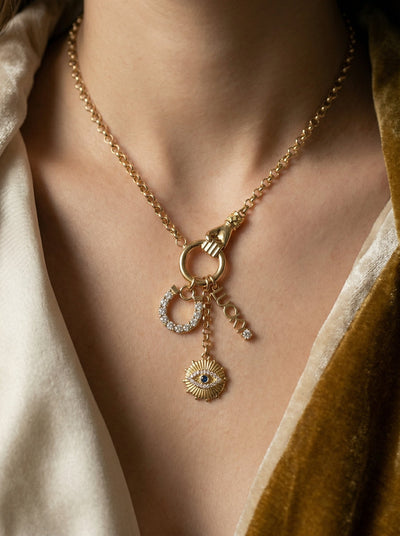
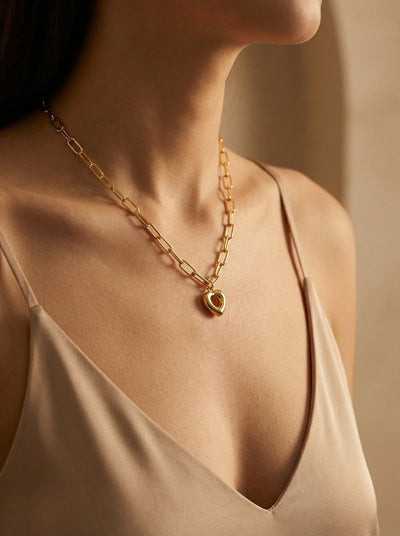
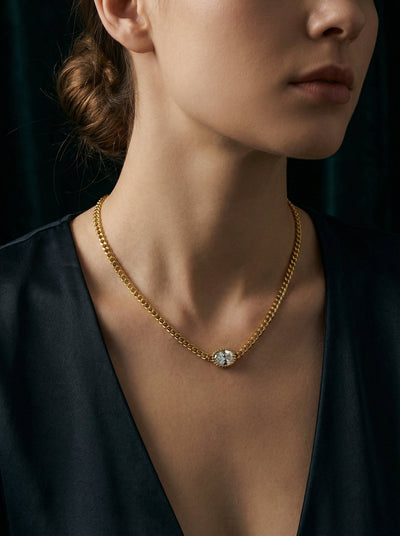
A single pendant on a fine chain is one of the oldest "looks expensive" tricks in styling. It draws the eye to the neckline, creates a focal point, and works with every neckline from crew neck to V-neck to off-shoulder.
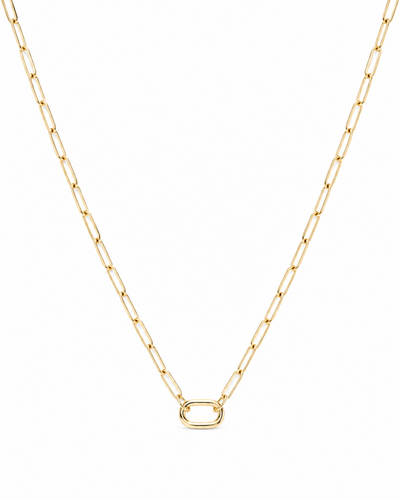
The Mevi Dainty CZ Pendant Necklace is the go-to — one small stone, a clean setting, and a chain length (16" + 2" extender) that sits perfectly on most people. If you prefer something warmer and more textured, the Sola Sunburst Pendant Necklace has a vintage coin feel that layers beautifully or wears alone.
Slim chain bracelets
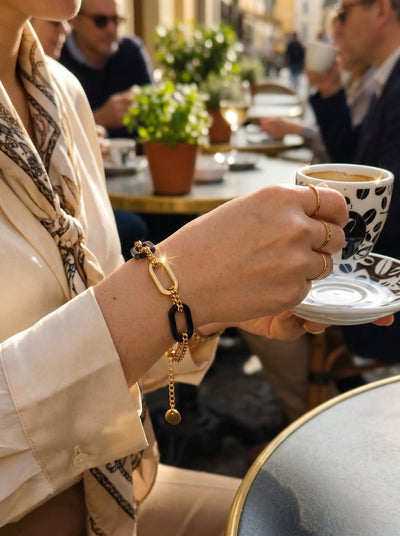
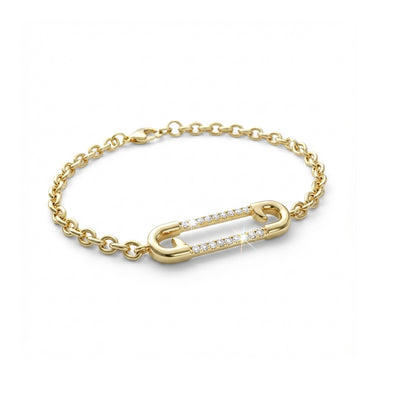
Bracelets that look expensive share one trait: they lay flat and catch light without being bulky. A slim box chain or herringbone chain reads as refined and intentional. The Arlo Slim Flat Box Chain Bracelet and the Hana Herringbone Flat Chain Bracelet both nail this — clean, sleek, and easy to stack or wear solo.
Our 5 Gold Bracelet Stacks made for everyday styling guide shows how to combine them for maximum impact.

Styling tricks that make any piece look more expensive
The same piece can look "meh" or "wow" depending on how you wear it. These small shifts make a big difference:
- Match your metal tones. Wearing all gold or all silver creates a cohesive, polished look. Mixing metals can work, but it requires more skill. If you are just starting, stick to one tone.
- Wear fewer pieces, better. Two pieces worn with intention always look more expensive than five thrown on randomly. Edit down before you walk out the door.
- Let one piece be the star. If your earrings are bold, keep your necklace simple (or skip it). If you are wearing a statement necklace, go with studs.
- Consider your neckline. A pendant looks best with a V-neck or open collar. Hoops and huggies pop most when your hair is up or tucked behind your ears.
- Keep everything clean. Dull, smudged jewelry looks lower-quality no matter what it cost. A quick wipe with a soft cloth before you put it on makes a real difference.
For jewelry maintenance tips, see our guide on how to care for gold-plated jewelry.
How to build a luxury-looking collection without overspending
The smartest jewelry shoppers do not buy more — they buy smarter. Instead of impulse-buying ten pieces you only wear once, build a core wardrobe of five to seven pieces and wear them consistently. Over time, add pieces that layer well with what you already own.
Here is a practical starter kit:
- Everyday earrings: Rena Huggie Earrings
- Go-to necklace: Mevi Dainty CZ Pendant Necklace
- Layering necklace: Stelle Multi-Star Station Layering Necklace
- Daily bracelet: Arlo Slim Flat Box Chain Bracelet
- Weekend earrings: Aura Oval Hoop Earrings
Total cost for all five: made for everyday styling. That is less than a single piece from most "luxury" jewelry brands — and you get a full capsule wardrobe that covers every occasion from Monday meetings to Saturday brunch.

The sustainability angle: buying less, wearing more
The most sustainable jewelry habit is not about materials — it is about buying pieces you actually wear. A closet full of lower-quality earrings you rotate through and toss after a month is far more wasteful than three well-chosen pieces you wear for years.
When you choose jewelry that is well-designed, well-finished, and versatile enough to work with your real wardrobe, you naturally buy less. You stop impulse shopping because your everyday rotation already feels complete. That is the true luxury: not needing more.
This mindset also means taking care of what you have. A quick wipe after wearing, proper storage, and giving pieces a break when needed — these small habits extend the life of your jewelry dramatically. Our guide to storing jewelry to prevent tarnishing is a good place to start.
What about gold-plated vs. other finishes?
The finish matters more than most people realize. A good gold finish should look warm and even on the skin — not brassy, not overly shiny, and not dull. It should feel like the kind of gold you would see in a boutique window, not a bargain bin.
Different finishes age differently and perform differently depending on how you wear them. If you are curious about the differences, our comparison of gold-plated vs. PVD-coated jewelry explains what to expect from each — and why some gold jewelry keeps looking beautiful long after others start fading.
The short version: choose pieces with a finish you trust, from a brand that is transparent about what you are getting. That confidence is part of what makes jewelry feel luxurious to wear.


The real cost of chasing trends vs. investing in style
Trend-chasing is the most expensive way to look lower-quality. Every season brings a new "must-have" earring or necklace shape, and if you buy into every one, you end up with a drawer full of pieces that already feel dated. Worse, you never develop a personal style because your jewelry collection has no throughline.
The alternative is simple: choose pieces based on what flatters you, not what is trending. A pair of classic hoops, a clean pendant, and a slim bracelet will never go out of style. They will still look polished five years from now. That is the actual definition of luxury — something that holds value over time, not something that was popular for one season.
The bottom line: luxury is a styling skill, not a price tag
Looking expensive is not about what you spend. It is about what you choose and how you wear it. The right huggie earrings, a well-placed pendant, and a slim bracelet can create a look that feels polished, intentional, and quietly confident — even if the total cost was made for everyday styling.
Start with fewer, smarter pieces. Wear them consistently. Take care of them. That is the real formula for affordable luxury — and it works better than any single expensive purchase ever will.
According to Vogue, the most stylish women treat jewelry as an extension of their personality rather than a mere accessory.
Harper's Bazaar consistently highlights that quality jewelry styling is about intention and curation, not quantity.
As Who What Wear notes, the modern jewelry philosophy is about building a collection of versatile pieces that reflect your authentic style.
FAQ: affordable luxury jewelry
What makes jewelry look expensive?
Clean silhouettes, warm even gold tones, subtle weight, and good proportions. Expensive-looking jewelry is almost always simple and well-finished rather than busy or oversized.
How many pieces of jewelry do I really need?
A capsule wardrobe of five to seven versatile pieces can cover nearly every occasion. One pair of everyday earrings, one pendant necklace, one bracelet, and one or two statement pieces is enough for most people.
Is everyday jewelry worth buying?
Yes — if you choose well. The key is focusing on design, finish, and versatility rather than just price. A well-chosen $12 necklace you wear 200 times is a better investment than a $200 necklace you wear twice.
How do I keep everyday jewelry looking new?
Wipe pieces with a soft cloth after wearing, store them separately to prevent scratching, and avoid wearing them over wet skin or skincare products. Small habits make a big difference.
Can I mix gold and silver jewelry?
You can, but it requires more styling intention. If you are just starting out, sticking to one metal tone creates a more cohesive, polished look. As you get more comfortable, mixing metals can add visual interest.