







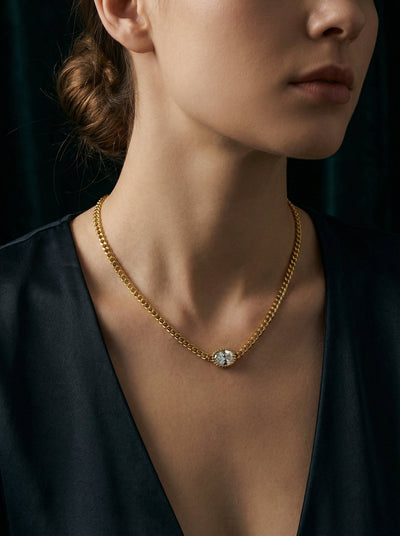


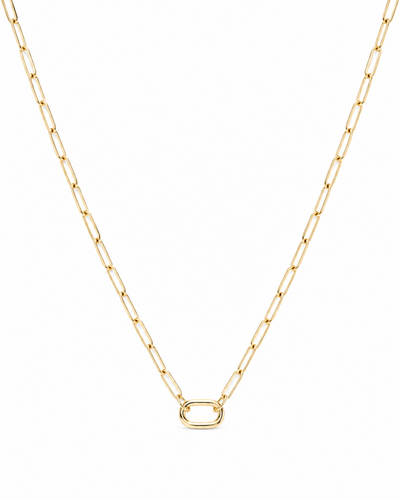
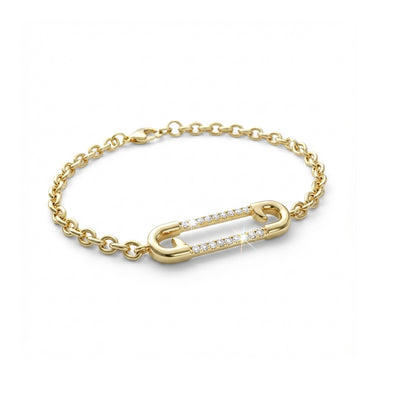


How to Care for Gold-Plated and PVD Jewelry
HyraModeGold-plated and PVD jewelry lasts longer when you keep chemicals off the finish, wipe pieces after wet or sweaty days, and store them dry. The care routine is simple, but the consistency matters. Most jewelry damage is not one dramatic mistake — it is perfume on Monday, sunscreen on Tuesday, steam on Wednesday, and then a week of residue sitting on the surface.
This guide explains how to care for gold-plated and PVD jewelry without overcleaning it, scratching it, or turning care into a chore. The goal is not to make everyday jewelry feel fragile. The goal is to help the pieces you love stay in your rotation longer.

Gold-plated vs PVD jewelry care: what changes?
Gold-plated jewelry has a layer of gold-tone finish over a base metal. PVD, short for physical vapor deposition, is a more technical finishing process often used to create a harder, more bonded surface. Both still benefit from basic care because daily exposure can dull any finish over time.
GIA explains that gold’s look and durability depend on composition and alloying, while surface engineering research shows that coatings perform best when they are not constantly attacked by abrasion and chemicals. Translation: better finish helps, but your routine still matters.
The 30-second daily care routine
After a normal day, wipe jewelry with a soft dry cloth before storing it. After sweat, sunscreen, ocean air, chlorine, or heavy lotion, use a slightly damp cloth first, then dry the piece fully. Do not leave jewelry wet in a pouch. Do not store it on a steamy bathroom counter.
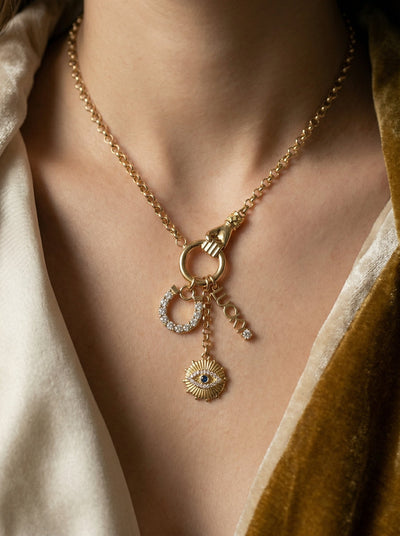
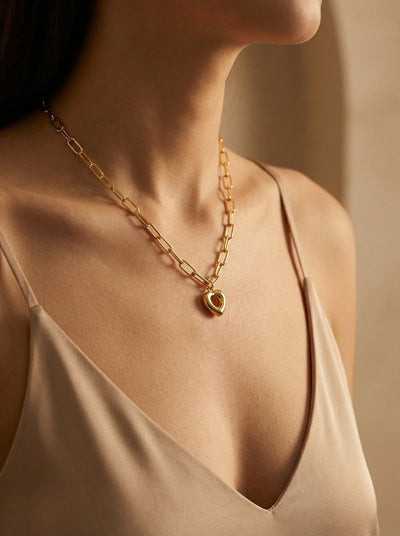
This tiny routine is enough for most pieces. It works especially well for smooth pendants like Mevi Dainty CZ Pendant Necklace and Sola Sunburst Pendant Necklace because the surface is easy to wipe clean.

What to avoid with gold-plated jewelry
Avoid perfume sprayed directly onto jewelry, harsh cleaners, chlorine, self-tanner, abrasive polishing paste, and sleeping in delicate chains. Also avoid cleaning hacks that sound satisfying but are too aggressive for plated finishes. Baking soda scrubs, toothpaste, and rough cloths can create tiny scratches that make jewelry look dull faster.
The easiest rule: put jewelry on last, take it off first. Let skincare and fragrance dry before the jewelry touches your skin. If you wore a necklace through a hot day, wipe it before putting it away.
Can you shower with gold-plated or PVD jewelry?
An accidental shower is usually not the end of the world, especially with water-friendly pieces. But soap, shampoo, exfoliants, and conditioner are not jewelry care products. The more often jewelry sits under chemical buildup, the faster the finish loses its clean glow.
If shower-safe styling is your main concern, connect this with our waterproof jewelry guide. For daily pieces, huggies like Fern Textured Huggie Earrings are easier to keep comfortable and clean than heavy statement earrings.

How to clean gold-plated jewelry safely
Use lukewarm water, a drop of mild soap, and a soft cloth. Clean gently, rinse lightly, and dry completely. For small corners, use a very soft brush with a light hand. Do not soak pieces for a long time unless the brand specifically recommends it.
Jewelers Mutual recommends keeping jewelry away from harsh household chemicals, and that advice applies strongly to plated finishes. Cleaning should remove residue, not strip the surface. If the piece has pearls, enamel, or delicate stones, be even gentler.
How to store jewelry so it lasts longer
Store pieces dry, separated, and away from steam. Chains tangle less when they are clasped before storage. Earrings stay cleaner when they are not tossed into the same dish as bracelets and necklaces. A small pouch, divider, or soft-lined box is enough.
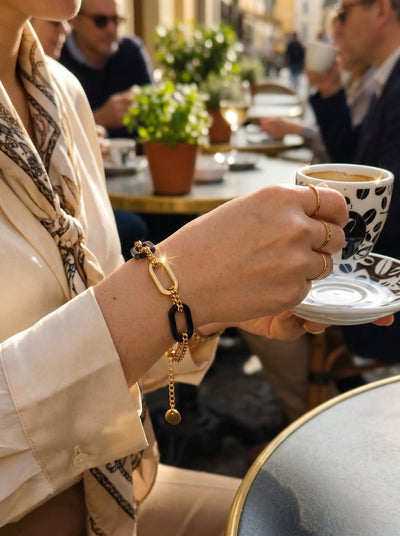
For bracelets like Dalis Multi-Strand CZ Station Bracelet and Bree Silver Enamel Bow Pearl Chain Bracelet, storage matters because chains can rub against each other. Give them space and they will look better between wears.

Why jewelry tarnishes or turns dull
Tarnish and dullness come from exposure: air, moisture, sweat, salt, skincare, and friction. Britannica describes corrosion as a reaction between material and environment, and jewelry sees that environment every time it touches skin, fabric, or product buildup.
If a piece starts looking dull, do not panic. Clean it gently first. Often the problem is residue, not permanent damage. If the finish is scratched or worn through, cleaning cannot rebuild the coating, which is why prevention is easier than repair.
Care routine by jewelry type
- Necklaces: wipe after perfume, sunscreen, and sweat. Store clasped to reduce tangles.
- Earrings: clean posts or hinged areas gently, especially if your ears are sensitive.
- Bracelets: wipe the underside because it touches skin, desks, and hand-washing residue.
- Sets: store each piece separately so earrings do not scratch necklaces or bracelets.
If your skin reacts easily, read our sensitive ears guide and our green skin guide.
Best HyraMode pieces for easy care
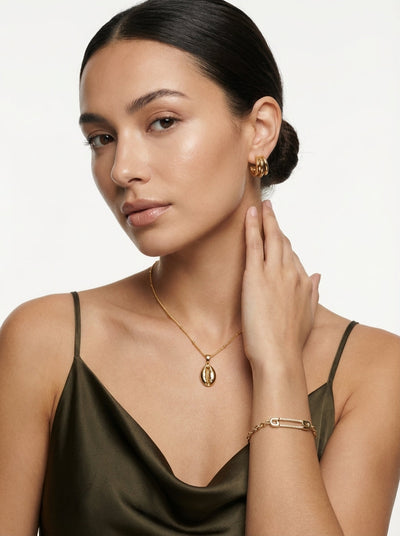
The easiest pieces to maintain are smooth, versatile, and quick to wipe down. Start with Mevi for daily polish, Rosa for a meaningful pendant, Fern for everyday earrings, and Arlo Slim Flat Box Chain Bracelet for a clean bracelet stack base.
If you want a more styled look without adding three separate pieces, choose Crystal Elegance Set. Just store the set pieces separately after wearing so the chain, earrings, and bracelet do not rub together.

How often should you clean each jewelry type?
Necklaces need the most attention because they sit where perfume, sunscreen, sweat, and fabric all meet. Wipe them after hot days, after travel, and after wearing fragrance. Earrings need a different routine: clean the post, hinge, or hoop area gently, especially if your ears are sensitive. Bracelets need the underside wiped because it touches skin, desks, sleeves, and hand-washing residue.
You do not need to deep clean every piece after every wear. Think in levels. A normal indoor day needs a dry wipe. A humid or sweaty day needs a damp wipe plus drying. A beach, pool, or sunscreen day needs a more careful clean. The routine should match the exposure.
How to care for jewelry while traveling
Travel is rough on jewelry because pieces get packed together, worn longer, and exposed to sunscreen, hotel soap, beach air, and humidity. Pack necklaces clasped so they tangle less. Keep earrings in pairs. Wrap bracelets separately so they do not rub against pendants or stones. A tiny pouch can prevent more damage than a dramatic cleaning routine later.
When you get back to the hotel, wipe pieces before dropping them into a bag. Do not store wet jewelry in a plastic pouch overnight. If a piece was worn near salt water or chlorine, rinse gently if appropriate, dry fully, and let it sit out before packing. Moisture trapped in storage is one of the fastest ways to dull a finish.

How to tell when jewelry needs cleaning
Your jewelry will usually tell you before it looks ruined. If it feels slightly sticky, looks less reflective, smells like product buildup, or leaves residue on a cloth, it needs cleaning. If the shine returns after a gentle wipe, the issue was residue. If the surface still looks patchy after cleaning, the finish may be worn or scratched.
Do not wait until the piece looks dramatically dull. Light care is safer than aggressive rescue cleaning. The more often you remove small layers of sweat, oil, and lotion, the less pressure you put on the finish later.
Care mistakes that make everyday jewelry look cheaper
The biggest mistake is treating under-$20 jewelry like it is disposable. Low price does not mean low emotional value. If a piece is part of your daily look, it deserves the same small habits as a more expensive piece: keep it dry, keep it clean, and keep it from rubbing against harder surfaces.
The second mistake is overcleaning. Scrubbing, soaking, or using abrasive products can make jewelry look worse, not better. The third mistake is bathroom storage. Steam, cosmetics, and moisture make a bathroom counter one of the worst long-term homes for gold-tone jewelry. Store pieces where they can stay dry and separated.
A weekly care checklist
- Wipe frequently worn necklaces and bracelets with a soft cloth.
- Check earrings for product buildup around posts or hinges.
- Separate tangled chains before they tighten into knots.
- Move jewelry away from the bathroom if it has been sitting near steam.
- Choose next week’s most-worn pieces and give them a quick clean before Monday.
This takes only a few minutes, but it keeps your everyday pieces feeling intentional. Jewelry is personal, not precious — and care is how you keep the personal pieces looking like you still mean to wear them tomorrow.
The safest mindset is prevention over repair. If you would not leave skincare, salt, or soap sitting on a silk blouse, do not leave it sitting on a gold-tone finish. A quick wipe is not fussy; it is simply how you keep a small piece feeling like part of tomorrow’s outfit instead of yesterday’s residue.
Care also protects the feeling of the piece. The bracelet from a trip, the pendant you wear to work, the earrings that became your default pair — those pieces become familiar because they survive normal life. Keeping them clean is not about perfection. It is about letting them keep showing up with you.
If a piece has already become your favorite, give it the easiest care path: wear it often, clean it gently, dry it completely, and store it where it will not fight with the rest of your jewelry box.
A good routine should feel invisible. Keep a soft cloth where you take jewelry off, not hidden in a drawer you never open. The easier the habit is, the more likely your favorite gold pieces will still look like favorites months from now.
FAQ: gold-plated and PVD jewelry care
How often should I clean gold-plated jewelry?
Wipe it after wet, sweaty, or product-heavy days. Do a gentle soap-and-water clean only when residue builds up.
Can I use toothpaste to clean gold-plated jewelry?
No. Toothpaste can be abrasive and may scratch or dull plated finishes.
Is PVD jewelry waterproof?
PVD finishes are often more durable than basic plating, but the piece still benefits from drying after water, sweat, salt, or chlorine.
How should I store necklaces?
Store necklaces clasped, dry, and separated so chains do not tangle or rub against other pieces.
What ruins gold-plated jewelry fastest?
Harsh chemicals, chlorine, perfume buildup, rough cleaning, constant moisture, and abrasive friction are the biggest problems.
Sources: GIA on gold quality factors, Jewelers Mutual on jewelry cleaning, Britannica on corrosion.