











Does Gold Jewelry Turn Your Skin Green? Here's the Truth
HyraModeGold jewelry can turn skin green when moisture, sweat, lotion, or acids react with copper or other base metals underneath the gold-tone finish. It does not always mean the piece is “bad,” and it usually is not dangerous — but it is a sign that your jewelry, your skin chemistry, and your daily routine are not getting along.
If you have ever taken off a ring, bracelet, or necklace and found a faint green shadow, this guide gives the honest answer: why it happens, how to prevent it, and what kind of gold-tone jewelry is easier to wear every day.

Why does gold jewelry turn skin green?
The green mark usually comes from oxidation. Copper is the classic culprit: when copper meets moisture, air, salt, or acids from sweat and skincare, it can leave a greenish residue on skin. Britannica describes corrosion as a surface reaction between a material and its environment, which is exactly the everyday version shoppers see with low-quality jewelry.
Gold itself is not green. The issue is usually what sits beneath, around, or mixed with the gold-tone finish. Plated jewelry, alloyed metals, and fashion pieces can all behave differently depending on the base metal and how well the surface is protected. That is why two necklaces can look similar online but wear completely differently after a week of real life.
Does green skin mean the jewelry is fake?
No. Green skin does not automatically mean fake jewelry. Even gold-plated jewelry can leave a mark if the plating is thin, scratched, or exposed to too much moisture and product buildup. The better question is whether the piece is designed for everyday wear and whether you are giving it basic care.
Solid gold behaves differently from gold-plated jewelry because the metal composition is different. GIA notes that gold’s properties vary by karat and alloy mix. For everyday fashion jewelry, you are usually balancing look, price, finish, and wearability. HyraMode lives in that practical space: pieces made for everyday styling that look polished, feel easy, and do not require you to treat them like museum objects.
Why sweat, lotion, and perfume make it worse
Most green marks are not caused by water alone. They are caused by a little cocktail of sweat, salt, sunscreen, body lotion, perfume, soap, and friction. The longer that mix sits between your skin and the jewelry, the more likely it is to react with the metal surface.
That is why necklaces often leave marks near the collarbone on hot days, bracelets can mark the wrist after workouts, and rings can react after repeated hand-washing. The fix is not complicated: put jewelry on after products dry, wipe pieces after sweaty days, and avoid spraying fragrance directly on metal.

How to stop jewelry from turning your skin green
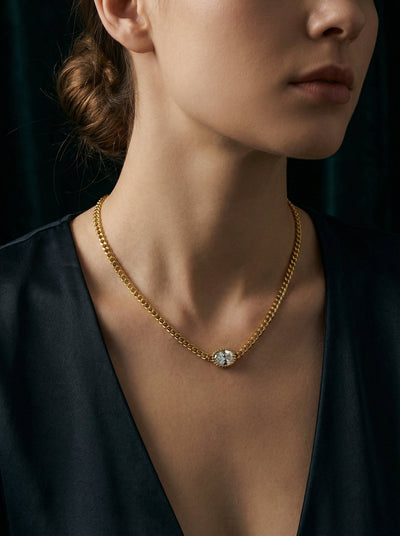
Start with the piece itself. Choose smoother finishes, better plating, and designs that are easy to clean. A simple pendant like Mevi Dainty CZ Pendant Necklace or Sola Sunburst Pendant Necklace is easier to wipe down than a highly textured chain with tiny places for product buildup to hide.
- Put jewelry on after lotion, sunscreen, and perfume have dried.
- Wipe necklaces and bracelets with a soft cloth after sweaty or humid days.
- Take pieces off before using harsh cleaners or swimming in chlorine.
- Store jewelry dry, not on a steamy bathroom counter.
- Rotate pieces instead of wearing one fragile item through everything.
Best jewelry choices if your skin reacts easily
If your skin reacts easily, comfort matters as much as style. The American Academy of Dermatology explains that contact dermatitis can be triggered by metals or irritants, which is why clean, dry jewelry and thoughtful material choices matter. For earrings, start with simple daily shapes that do not tug or trap too much moisture.
Fern Textured Huggie Earrings are an easy everyday choice because huggies sit close to the ear and feel less fussy than statement earrings. If you want a softer romantic look, Amor Heart Hoop Earrings gives the outfit a little sweetness without needing a heavy drop earring.

Do gold-plated necklaces turn green faster than earrings?
They can, because necklaces sit directly against sweat, perfume, sunscreen, and fabric. A necklace also moves against the skin all day, especially around a neckline. Earrings often face less skincare buildup unless hair products or perfume hit them directly.
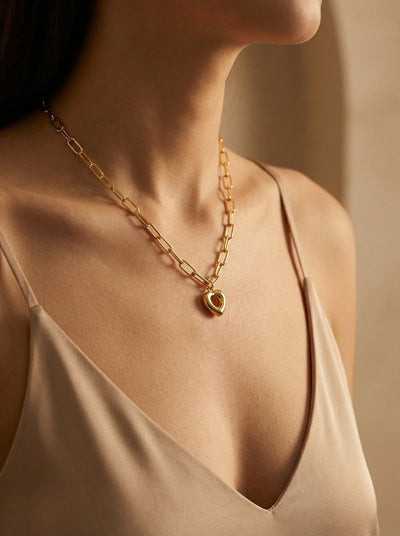
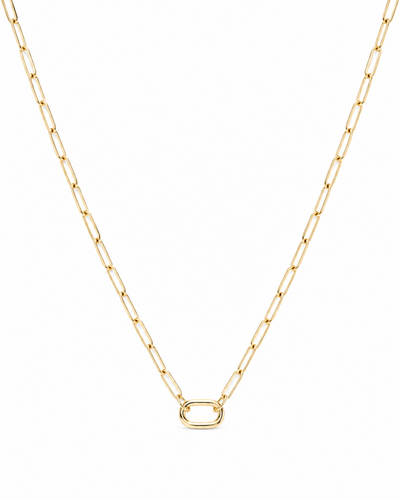
If necklaces are your problem area, choose pendants that are easy to clean and do not sit too tightly against the skin. Rosa Rose Coin Pendant Necklace works well as an everyday meaningful piece, while Remy Paperclip Chain Heart Necklace gives more visual weight without feeling too formal.
What to do if your jewelry already left a green mark
Wash the area gently with soap and water. The mark is usually surface residue, not a stain inside the skin. Then clean the jewelry with a soft cloth and let it dry fully before wearing it again. If your skin feels itchy, red, cracked, or uncomfortable, stop wearing the piece and treat it like a skin reaction, not just a styling problem.
For more care detail, read our gold-plated jewelry cleaning guide. If water exposure is your main concern, our waterproof jewelry guide explains how to choose pieces that handle moisture better.

How HyraMode pieces fit into the green-skin question
HyraMode is built for the person who wants jewelry that looks elevated without acting precious. The goal is not to pretend an under-$20 piece is solid gold. The goal is to make pieces that feel wearable, giftable, and easy to reach for tomorrow.
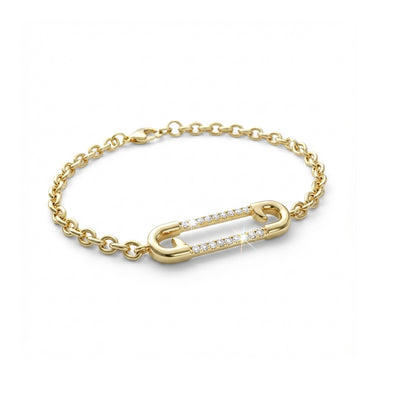
For the safest everyday capsule, start with one pendant, one pair of comfortable earrings, and one bracelet you can wipe clean. Pair Mevi with Fern for a clean daily set, or use Dalis Multi-Strand CZ Station Bracelet when you want your wrist stack to look finished without layering three separate bracelets.

What to check before buying gold-tone jewelry
Before you buy, look at the role the piece will play in your wardrobe. If it is something you want to wear every day, choose a design with a clean surface, secure closure, and a shape that will not trap too much lotion or sweat. If it is a weekend-only statement piece, you can accept more texture and drama because it will not sit against your skin as often.
For necklaces, pay attention to where the pendant lands. Pieces that sit close to the collarbone pick up perfume, sunscreen, and sweat faster than longer pendants. For bracelets, think about hand-washing and desk wear. The underside of a bracelet touches skin constantly, so a smoother finish is easier to keep clean. For earrings, comfort and weight matter most because irritation often starts when an earring pulls, rubs, or traps moisture.
The best everyday jewelry is not necessarily the thickest or flashiest. It is the piece you can keep clean without thinking about it. If you know you forget to remove jewelry before errands, workouts, or weekend trips, choose pieces that forgive normal life instead of pieces that only look good in the product photo.
Green skin vs irritation: know the difference
A green mark is usually color transfer. It sits on the surface and washes away. Irritation feels different. If the area is itchy, hot, red, swollen, cracked, or uncomfortable, treat it as a skin signal and stop wearing the piece until the area calms down. Do not keep testing the same jewelry on angry skin just because the outfit looks good.
This distinction matters because shoppers often blame every reaction on “lower-quality jewelry,” but the causes are different. Green residue is usually oxidation. Irritation may involve friction, trapped moisture, fragrance, nickel sensitivity, or another contact trigger. A clean jewelry routine helps both, but sensitive skin may also need more careful material choices and shorter wear windows.
If you are buying a gift, choose safer silhouettes: huggies instead of heavy drops, smooth pendants instead of chokers, and bracelets that do not clamp tightly. Those choices reduce friction and make the gift easier to wear without knowing every detail of someone’s skin chemistry.

The simple 30-second care routine
At the end of a sweaty or humid day, wipe the piece with a soft dry cloth. If you wore sunscreen, body oil, or perfume, use a barely damp cloth first, then dry the piece fully. Store it in a pouch or dry drawer instead of leaving it near steam. This routine takes less than a minute, but it prevents the residue layer that causes most disappointment.
Do not over-polish. Harsh cloths, abrasive cleaners, and mystery TikTok hacks can damage a finish faster than normal wear. Mild soap and water are enough for most buildup, as long as the piece is dried completely. The goal is not to scrub the jewelry into looking new every night. The goal is to remove the day before it becomes a week of buildup.
That small habit is what turns gold-tone jewelry from a one-week fling into something you reach for again. It also keeps the emotional value intact: the heart necklace from a friend, the bracelet you wore on vacation, the huggies that quietly became your default pair.
One more thing: do not judge a piece only by the first wear. A necklace that feels perfect on a cool day may react differently during summer travel, and a bracelet that behaves well at dinner may need a wipe after a long humid commute. Build the habit around your lifestyle, not around fear. Good everyday jewelry should make getting dressed easier, and a tiny care routine keeps it that way.
FAQ: gold jewelry and green skin
Is green skin from jewelry harmful?
Usually it is just surface residue from oxidation, but itching, redness, or irritation may suggest a skin reaction. Stop wearing the piece if your skin feels uncomfortable.
Does real gold turn skin green?
Pure gold does not usually leave green marks, but gold alloys or plated jewelry can react depending on the base metal, finish, and exposure to moisture or chemicals.
Why does my necklace turn my neck green but earrings do not?
Necklaces sit against sweat, perfume, sunscreen, and fabric, so they often face more buildup and friction than earrings.
How can I prevent green marks from bracelets?
Keep bracelets dry after hand-washing, avoid lotion buildup, and wipe the underside of the bracelet after sweaty days.
What HyraMode pieces are easiest for daily wear?
Simple pendants, huggies, and smooth bracelets are easiest because they are comfortable, versatile, and quick to clean.
Sources: Britannica on corrosion, GIA on gold quality factors, American Academy of Dermatology on contact dermatitis.