












How to Store Jewelry to Prevent Tarnishing: 7 Simple Tips
HyraModeYou take out an earring or necklace you haven't worn in a few weeks, and it looks... different. Darker. Dull. Maybe even slightly green in spots. What happened? You didn't do anything to it — you just left it sitting in your jewelry tray.
That's exactly the problem. How you store your jewelry is just as important as how you wear it. Most tarnishing happens not while you're wearing your pieces, but while they're sitting unused, exposed to the elements that slowly degrade the finish.
The good news? Preventing tarnish is surprisingly simple. These seven tips will keep your jewelry looking fresh whether you wear it daily or once a month.
1. Keep Jewelry in Enclosed, Airtight Spaces
The number one enemy of jewelry is air. Oxygen reacts with metals over time, causing oxidation (tarnish). Sulfur compounds in the air — from pollution, cooking, even certain foods nearby — accelerate this process.
The fix is simple: store your jewelry in enclosed spaces that minimize air exposure.
Best options:
- Individual small zip-lock bags (squeeze out the air before sealing)
- A lined jewelry box with a closing lid
- Soft fabric pouches with drawstring closures
- Small airtight containers
The key word is "enclosed." An open dish on your dresser looks pretty on Instagram, but it's basically inviting tarnish to a 24/7 buffet. If you love the aesthetic of an open jewelry display, save it for the pieces you wear daily (since they get cleaned with regular wear) and store everything else enclosed.
2. Add Anti-Tarnish Strips to Your Storage
Anti-tarnish strips (also called tarnish-absorbing strips or tabs) are small pieces of treated paper that absorb sulfur and moisture from the air inside your jewelry storage. They're lower-quality, widely available, and genuinely effective.
Drop one strip into each zip-lock bag, each drawer compartment, or each section of your jewelry box. Replace them every 6-12 months (they'll usually change color when they're spent). For a few dollars a year, they dramatically slow tarnishing.
If you can't find anti-tarnish strips, a small piece of plain white chalk works as a decent substitute. Chalk absorbs moisture, which is one of the main drivers of tarnish. Toss a stick of chalk in your jewelry drawer and replace it every few months.
3. Store Pieces Separately (Stop the Tangling and Scratching)
Dumping all your jewelry into one box or bag is a recipe for two problems: tangled chains and scratched surfaces.
When pieces rub against each other, they create micro-scratches that dull the finish and expose more surface area to oxidation. Necklaces tangling together means you yank them apart (causing more damage) or just never wear them because who has the patience for that.
Practical solutions:
- Use a jewelry box with individual compartments
- Store each piece in its own small bag or pouch
- Hang necklaces individually on hooks or a jewelry organizer
- Use small ice cube trays, pill organizers, or egg cartons as easy-to-wear dividers
You don't need fancy organizers. Even a simple system of individual sandwich bags labeled with markers works perfectly. The point is: pieces shouldn't touch each other during storage.
4. Control Humidity (Dry Is Better)
Moisture accelerates tarnishing significantly. If you live in a humid climate, or if you store jewelry in the bathroom (where shower steam creates a humid environment), your pieces will tarnish faster.
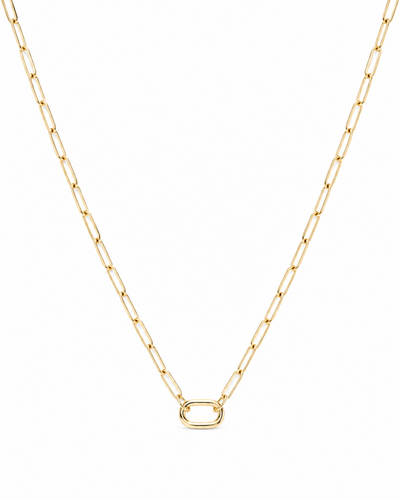
Our Pick: The Stelle Star Station Necklace ($9.90) is perfect for this look.
What to do:
- Store jewelry in your bedroom or closet, NOT the bathroom
- If your home is generally humid, add a small silica gel packet to your jewelry storage (those little packets that come in shoe boxes — save them!)
- Make sure jewelry is completely dry before storing. Even a tiny bit of moisture trapped in a sealed bag creates a tarnish-friendly environment
- If you live in a very humid climate, consider a small dehumidifier in the room where you store jewelry
The bathroom counter is the worst place to store jewelry, yet it's where most women leave their pieces. The daily cycle of hot steam from the shower followed by cool air creates a constant moisture fluctuation that's brutal on metals and plating.
5. Clean Before Storing (Especially for Long-Term Storage)
If you're putting a piece away for a while — seasonal rotation, travel jewelry you won't need for months, or pieces you wear infrequently — clean them before storage.
Body oils, lotions, perfume residue, and general grime left on jewelry will react with the metal during storage. A piece that went away clean will come out looking much better than one that was stored dirty.
Quick pre-storage cleaning routine:
- Wipe the piece with a soft, dry cloth to remove surface oils
- For extra credit, a quick wipe with a slightly damp cloth followed by thorough drying
- Make sure the piece is 100% dry before sealing in storage
This takes less than a minute per piece and makes a genuine difference over weeks and months of storage.
6. Keep Jewelry Away from Direct Sunlight and Heat
Your sunny windowsill or the top of a dresser that gets afternoon sun might seem like a nice place to display jewelry, but UV light and heat both accelerate the breakdown of gold plating and can cause certain stones and materials to fade or discolor.
Best practice: Store jewelry in a cool, dark place. A drawer, a closet shelf, or a covered jewelry box out of direct sunlight. Think of it like sunscreen for your earrings — protection from UV keeps them looking better longer.
This is especially important for pieces with colored stones, pearls, or any kind of enamel work. These materials are particularly sensitive to prolonged sun exposure.
7. Use the Right Storage Materials
What your jewelry touches during storage matters more than you might think.
Good storage materials:
- Soft cotton or microfiber pouches
- Velvet or felt-lined jewelry boxes
- Polyethylene zip-lock bags (standard kitchen ones are fine)
- Acid-free tissue paper for wrapping individual pieces
Bad storage materials:
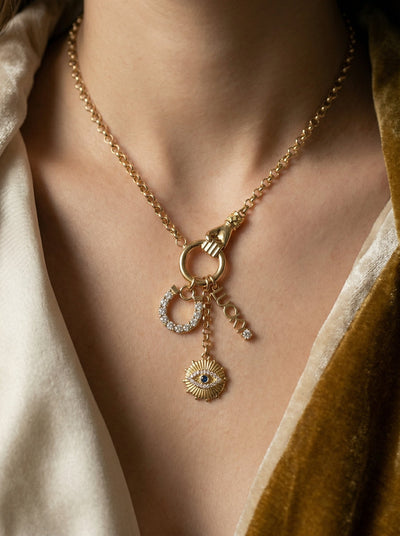
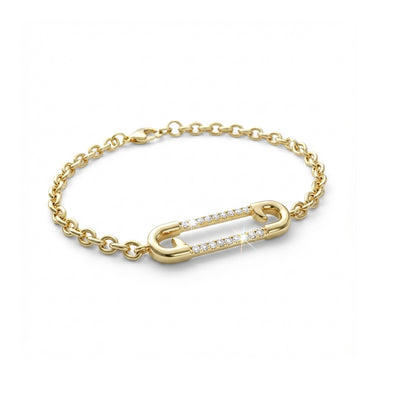
Our Pick: The Sola Sunburst Pendant Necklace ($9.90) is perfect for this look.
- Rubber (contains sulfur, which accelerates tarnish)
- Newspaper or printed paper (ink chemicals can react with metals)
- Cardboard (can release acids over time)
- Wood (some woods release gases that promote tarnish — if using a wooden box, make sure it's lined)
If your jewelry box is wood, the lining inside matters. Well-lined wooden boxes are fine. Unlined wooden drawers should have pieces wrapped in cloth or stored in bags.
Bonus: The Travel Storage Hack
Traveling with jewelry is a tarnish risk because pieces get thrown in bags, exposed to varying humidity, and often stored in non-ideal conditions.
The hack: Pack each piece in its own small zip-lock bag with a tiny piece of anti-tarnish strip or chalk. Then put all the bags in one small travel pouch. Your pieces stay separated, protected from air, and organized — and you don't have to spend $40 on a fancy travel jewelry case.
For necklaces, thread the chain through a drinking straw before bagging to prevent tangling. This old trick works amazingly well and costs literally nothing.
Quick Reference: Your Jewelry Storage Checklist
- ☐ Store in enclosed, airtight spaces (not open trays)
- ☐ Add anti-tarnish strips or chalk to storage
- ☐ Keep pieces separated (no touching)
- ☐ Store in a dry location (not the bathroom)
- ☐ Clean pieces before long-term storage
- ☐ Avoid direct sunlight and heat
- ☐ Use the right materials (soft cloth, zip bags — no rubber or newspaper)
None of these tips are complicated. None of them cost much money. But together, they can double or triple the lifespan of your jewelry — especially gold plated pieces that are more sensitive to environmental factors.
A $12 pair of earrings that lasts 6 months with careless storage could easily last a year or more with proper storage. That's not just better looking jewelry — it's better value for your money.
If you're refreshing your collection or just want something new to store properly this time around, check out our earrings collection — everything starts at $9.90, and with good storage habits, each piece will stay gorgeous way longer than you'd expect.
Take care of your jewelry, and it takes care of your style.
According to the Gemological Institute of America (GIA), proper jewelry care starts with understanding your materials.
Vogue beauty editors recommend the "last on, first off" rule—jewelry should be the last thing you put on and the first thing you remove.
As Harper's Bazaar notes, most jewelry damage comes from chemical exposure (perfume, sunscreen, chlorine) rather than physical wear.