

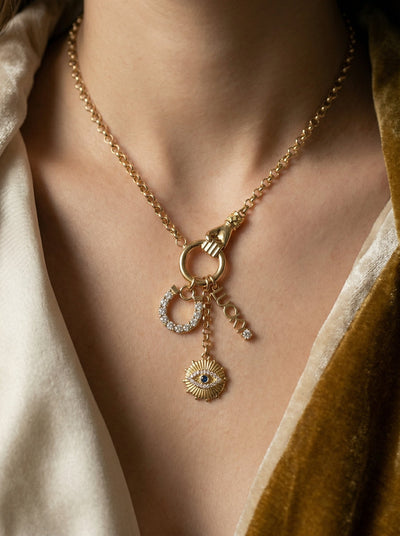

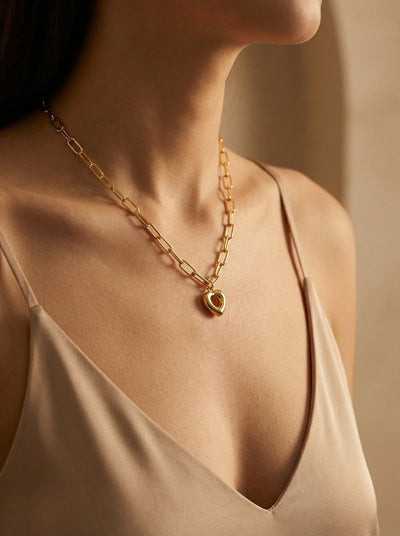
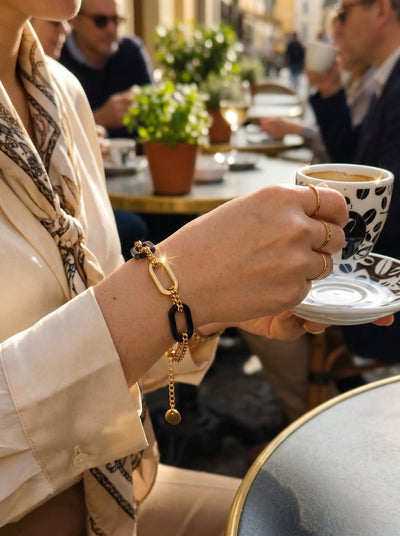

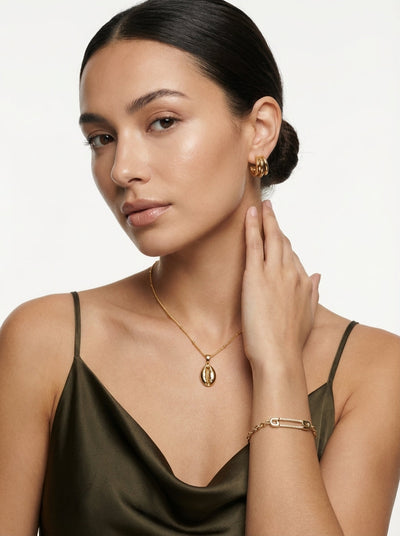







Cord Necklace Trend April 2026: 10 Effortless Layering Formulas to Try Now
HyraModeScroll jewelry content in April 2026 and one detail keeps standing out: a clean cord line at the neckline, then metal layers that feel intentional instead of busy. The cord necklace trend is accelerating because it solves a real styling problem. It adds texture in seconds, works with spring fabrics, and makes even simple outfits look composed.
Trend signals align across editorials and discovery platforms. ELLE, Marie Claire, and Glamour all highlight tactile materials, sculptural accessories, and personality-led styling. On discovery platforms, Pinterest keeps surfacing cord-based stacks and mixed-texture necklines, while Google Trends shows jewelry interest staying strong through spring. The pattern is clear: shoppers want low-effort pieces that still read elevated.
That’s exactly HyraMode’s lane—affordable jewelry that feels personal, wearable, and polished. This guide gives you 10 practical formulas you can wear on repeat, with options for everyday styling with product-specific care guidance.

Why Cord Necklaces Are Trending in April 2026
Metal reflects light; cord absorbs it. That contrast creates depth with fewer pieces. Instead of stacking five similar chains, one cord plus one metal focal point gives you structure, texture, and balance instantly.
Cord also anchors pendants better than slippery chain-on-chain layering. Your focal piece stays where it belongs, which matters for day-long wear. It works with tanks, open collars, ribbed knits, and linen shirts—the exact silhouettes dominating spring wardrobes.
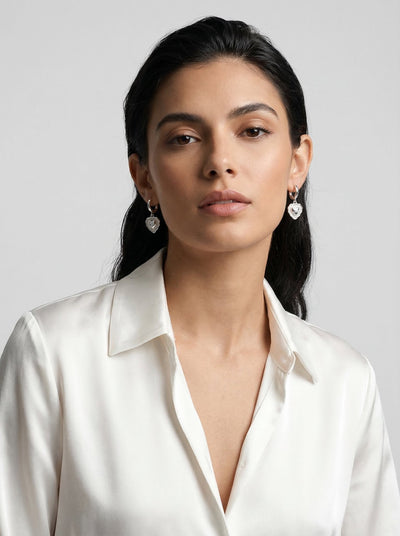
For clean balance, pair cord texture with sculptural earrings like Pilo Huggie Earrings or Rosa Rose Coin Pendant Necklace so your look feels edited, not overbuilt.
Formula 1: The 2-Layer Minimal Starter
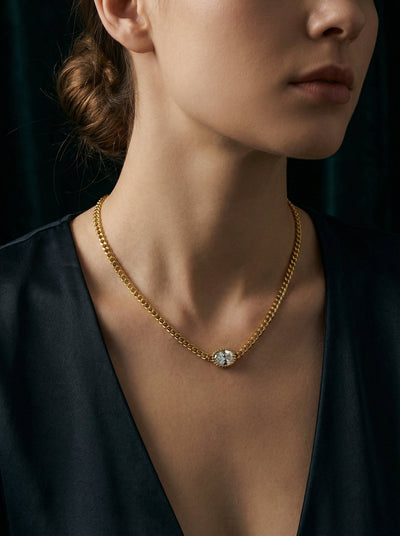
Use one medium-length cord necklace and one metal pendant layer 1.5–2 inches lower. Stop there. This formula is ideal for busy mornings, office outfits, and everyday errands because it gives structure without effort.
Spacing is everything. If layers sit too close, the stack looks accidental. Give each piece visual room and your neckline instantly reads premium.

Formula 2: Cord + Hoop Geometry
When neckline texture goes up, keep shape at the ear. A cord necklace with one geometric hoop profile delivers modern contrast. It’s especially strong with monochrome outfits and white tees.
Try this with Piru Huggie Earrings and add one slim bracelet like Orin Ear Cuff for a subtle neck-to-wrist echo line.
Formula 3: Story Pendant, Clean Support
Cord naturally supports narrative styling—charms, talismans, symbolic pendants. The rule: one story piece, quiet supporting cast. Let the pendant lead while earrings and bracelet stay restrained.
Pieces like Fern Textured Huggie Earrings work well because they add emotional character without pushing the outfit into costume territory.

Formula 4: Desk to Dinner in One Swap
Keep your daytime cord stack, then swap exactly one element for evening: either a stronger hoop shape or brighter pendant—not both. One controlled upgrade keeps the look polished.
This is where under-$20 jewelry wins: you can keep a tiny switch kit in your bag and change mood in 15 seconds without rebuilding your whole look.

Formula 5: Mixed Metals, But Calm
Mixed metals are still relevant in 2026, but today’s version is cleaner: one dominant metal plus one accent metal. Cord helps because it already introduces non-metal texture, so the mix feels intentional.
Limit total pieces to three or four. If the stack feels noisy, remove one item before adding another. For spacing logic, use this related guide and this related guide as references.

Formula 6: Weekend Sporty-Polished
Your weekend formula should survive movement, sun, and spontaneous plans. Build a three-piece set: cord necklace, compact huggie or hoop, slim bracelet. Keep everything lightweight and comfortable.
That gives you continuity from coffee run to dinner without carrying backup jewelry. Wearable beats complicated every time.
Formula 7: Vacation Capsule Around One Cord Base
Pack one cord necklace, one pendant, one hoop pair, one cuff, one bracelet. Five pieces can create 20+ combinations when you vary spacing and focal point. It reduces luggage clutter and decision fatigue.
This approach works especially well with swim coverups, linen sets, and simple black dresses where texture does the styling heavy lifting.

Formula 8: The 3-Texture Rule
If a stack looks flat, don’t add random pieces—add a missing texture category. With cord as texture one, use smooth metal as texture two, then a micro-sparkle accent as texture three.
That sequence creates depth without bulk and keeps your jewelry readable in daylight and indoor evening light.

Formula 9: Repeatable 7-Day Rotation
Monday: Formula 1 clean reset. Tuesday: Formula 2 geometric ear balance. Wednesday: Formula 3 story pendant mood. Thursday: Formula 5 mixed-metal accent. Friday: Formula 4 dinner upgrade. Saturday: Formula 7 vacation ease. Sunday: minimal two-layer reset.
Run this rotation for two weeks. You’ll quickly identify the pieces you genuinely re-wear and avoid impulse clutter that never leaves the drawer.
Formula 10: Build a Personal Signature Stack
The strongest trend adoption is not copying one viral outfit; it is creating your own repeatable system. Pick one cord length you love, one hoop profile, one daily bracelet, then rotate only your story element.
That consistency makes your style recognizable while staying flexible across outfits. Jewelry becomes part of identity, not just decoration.

Advanced Styling Notes for Better Results
Style by fabric: satin and rib knit favor clean metal support; denim and crisp cotton can handle stronger earring geometry. In low evening light, add one reflective accent so your face doesn’t flatten. In bright daylight, reduce one piece and let the cord texture lead.
Store your weekly rotation visibly on a tray, not hidden in a pouch. The stack you can see is the stack you’ll actually wear. Habit, not complexity, is what creates effortless style.
If you want more layering references, start with this related guide and adapt spacing rather than copying every product one-for-one.
To make the trend easy to execute, think in modules. Your base module is always the neckline: one cord with one metal companion. Your expression module is where personality lives—earring shape, pendant symbol, or small wrist detail. Your context module adjusts to where you’re going: cleaner for office, bolder for dinner, lighter for travel. When you split styling into modules, you stop over-accessorizing because each part has a clear job.
Another practical rule is to style for movement, not for static mirror poses. Walk a few steps, move your shoulders, and check whether your layers still sit in place. Cord is excellent here because it provides grip and direction. If a pendant flips repeatedly, shorten the chain slightly or switch to a heavier pendant profile. Tiny fit tweaks make a big difference in whether a stack feels effortless at 9 AM and still looks intentional at 9 PM.
Color strategy matters too. Neutral cord tones—black, espresso, deep olive, warm taupe—pair naturally with both gold and silver. If your wardrobe already has strong prints, keep jewelry color simple and let silhouette do the talking. If your outfits are mostly solids, you can push contrast slightly with mixed-metal accents or brighter stones. The goal is not maximal contrast; it is controlled contrast that supports your outfit instead of fighting it.
For beginners, avoid buying too many near-identical pieces. Build depth by role: one daily hoop, one slightly bolder hoop, one pendant with meaning, one minimal bracelet, one accent bracelet. Role diversity creates more outfit outcomes than buying five pieces in the same visual weight. This is the hidden logic behind looking “naturally stylish”: fewer redundant pieces, better functional spread.
Finally, evaluate your stack by repeat-wear confidence. Ask one question: would you reach for this exact combination again tomorrow? If yes, keep it in the weekly tray. If no, edit it immediately. Great jewelry wardrobes are not built from one-time compliments; they are built from combinations you trust without thinking. That trust is where real personal style comes from.
A quick proportional guideline helps when layering cord with metal. If your top has a high neckline, keep the first necklace shorter and cleaner so the texture sits near the collarbone rather than disappearing under fabric. If your top has an open V or scoop, let the first layer sit lower and add a second line that follows the neckline shape. Matching necklace trajectory to garment shape makes your stack feel intentional before anyone notices the individual pieces.
Use mirror distance as a quality test. Close-up mirror checks are useful, but always step back six feet and check the whole silhouette. Cord textures that look subtle up close can become dominant from distance, especially with dark tops. If your jewelry starts reading as one heavy block, separate layers by a bit more vertical space or swap one glossy piece for a matte finish. The best stacks communicate clearly both in person and on camera.
Weather should influence your formula too. In warmer days, skin oils and sunscreen can make highly delicate stacks feel high-maintenance. A cord-led setup paired with compact waterproof pieces stays reliable through heat, commuting, and long wear. In cooler evenings, bring back one brighter focal point so your look doesn’t flatten under jackets and lower light. Think adaptation, not replacement: same core pieces, slightly different emphasis.
One final refinement is emotional alignment. Choose one “confidence piece” that always feels right, then build around it. Some people feel most themselves in a sculptural hoop; others in a symbolic pendant. When that anchor matches your mood, styling gets easier because every other decision is supportive, not random. That is the difference between trendy jewelry and personal jewelry—the latter feels like you even when trends shift.
If you are building your first cord-focused capsule, start with a tiny checklist: one neutral cord necklace, one metal pendant, one everyday hoop, one compact huggie, and one slim bracelet. With just those five roles, you can create enough combinations for workdays, weekends, and travel without overbuying. Add only after you identify a real gap in your rotation. Smart curation always outperforms random accumulation, especially when your goal is repeat wear and long-term styling confidence.
Frequently Asked Questions
1) Are cord necklaces still in style in 2026?
Yes. Cord necklaces are one of spring 2026’s strongest jewelry directions because they add texture and personality while staying wearable.
2) How many layers should I wear with a cord necklace?
Two to four total pieces is ideal for most outfits: one cord base, one metal anchor, and one or two support pieces.
3) Can I wear a cord necklace to work?
Absolutely. Keep color neutral, spacing clean, and pair with compact earrings for a polished office-ready look.
4) How do I stop cord layers from looking messy?
Control vertical spacing, keep one focal point, and remove one item when the stack feels crowded.
5) What makes affordable stacks look expensive?
Balanced texture, edited piece count, and clean focal hierarchy. Restraint reads premium more than quantity.
For product-specific care, see our Jewelry Care Guide.