










Wallet Necklace Trend April 2026: 10 Utility-Chic Layering Looks to Wear on Repeat
HyraModeIn short: the wallet necklace trend in April 2026 is about utility with polish—pieces that feel functional, story-driven, and easy to layer with everyday outfits. You do not need a full wardrobe reset. You need one focal necklace, a clean support chain, and disciplined proportions.
Trend signals are converging from fashion media and search behavior. Marie Claire and InStyle both highlight expressive, personality-led accessories for 2026, while National Jeweler’s Pinterest trend coverage points to personal storytelling and statement details. Google Trends interest in jewelry styling queries also remains active across spring categories, especially trend-plus-how-to combinations that shoppers can wear immediately.
That’s where wallet-necklace styling wins: it is directional but wearable. It adds character to plain tees, linen shirts, blazers, and slip dresses without requiring high-spend designer hardware. For HyraMode customers, this is exactly the sweet spot—looks that read intentional, feel current, and stay under your usual impulse-spend threshold. Below are 10 practical formulas you can copy this week.

1) Why Wallet Necklaces Are Surging in April 2026
After several seasons of ultra-minimal fine chains, 2026 moved toward accessories with visible personality. Wallet necklaces sit right at that intersection: they carry a practical vibe (key tags, hardware, compact shapes), but still read fashion-forward when layered correctly. They look less precious and more lived-in, which is exactly what many shoppers want right now.
Another reason they’re climbing is content performance. Utility-shaped pendants photograph well in close-ups, and in short video they create movement and texture at the neckline. Unlike plain chains, they add visual punctuation. One focal pendant can turn a basic top into a complete outfit on camera and in real life.
Most importantly, this trend is easy to adapt. You can style it with your existing basics: white tanks, oversized shirts, denim jackets, and knit dresses. That low-friction adoption is why this trend converts—it feels new without feeling risky.
2) The Core Formula: Anchor Chain + Utility Focal + Quiet Support
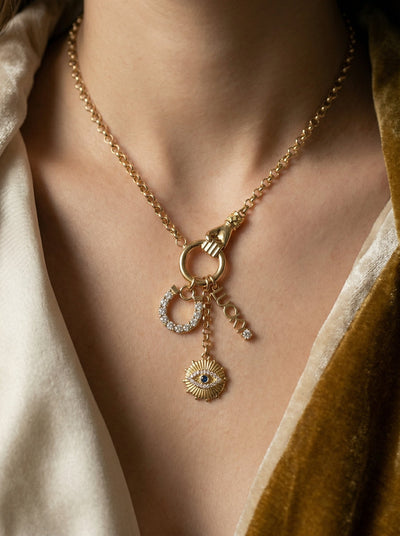
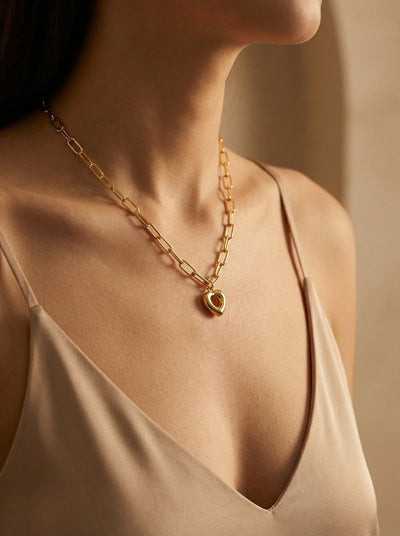
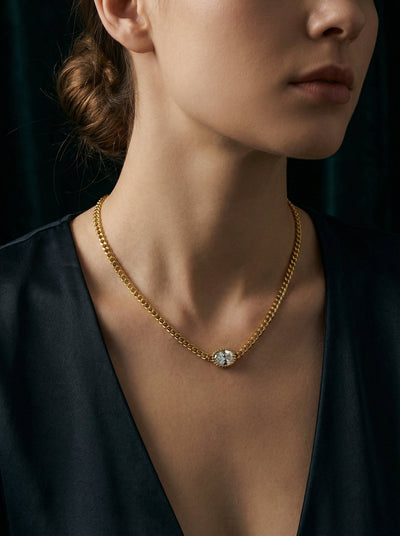
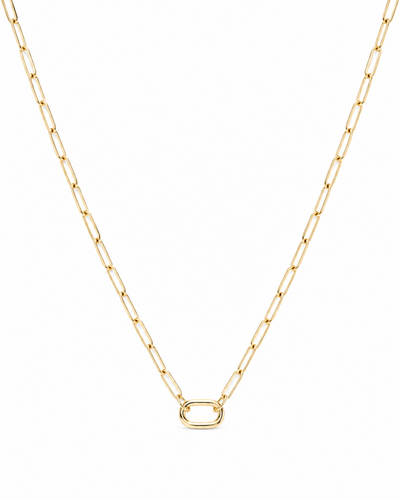
Use this ratio for 90% of outfits: one anchor chain close to the collarbone, one utility-style focal pendant at mid length, and one optional support line if the outfit is simple. This keeps hierarchy clear. People can tell what the focal piece is in one glance.
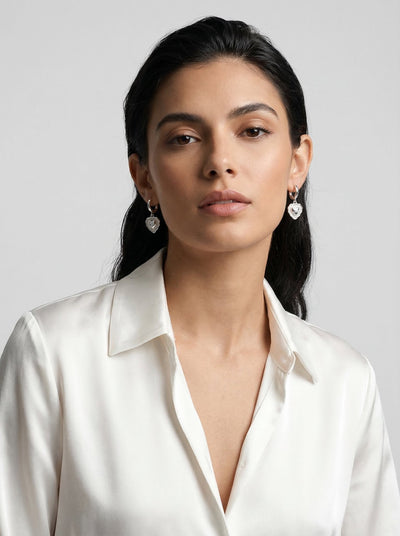
Start with a refined base like Mara Ribbed Open Hoop Earrings, then add a mid-length pendant-style piece such as Sol Floral Charm Drop Angle Hoop Earrings. If your neckline is open, add a slim third line using Piru Huggie Earrings. Stop there.
The common error is stacking many similar chain weights. If all layers look alike, the outfit feels cluttered. Create contrast by varying one of three variables—shape, thickness, or drop length. One variable shift is enough to make everyday jewelry feel intentionally curated.

3) Outfit Formula A: White Tee, Blazer, and Hardware-Led Neckline
This is the fastest weekday look: fitted or boxy white tee, structured blazer, straight-leg denim, and one utility-forward focal necklace. The blazer provides clean architecture; the necklace provides personality. Keep earrings compact so the neckline remains the hero.
Try Gela Huggie Earrings |drop-earrings with one short chain from your base rotation. Let the pendant sit just below the tee neckline so it has breathing room. This placement instantly upgrades a simple work or coffee-run uniform.
If you’re moving from day to evening, don’t rebuild the stack. Swap only one support piece: replace tiny studs with a medium hoop, or add one slim bracelet. The strongest styling choice is often restraint, not more volume.

4) Outfit Formula B: Linen Set with Soft Utility Contrast
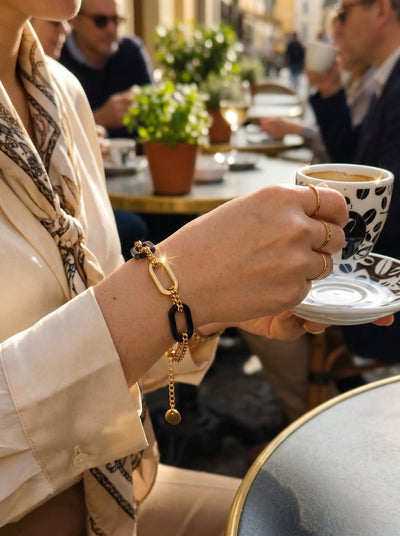
Linen sets can look flat if every accessory is matte and quiet. Wallet-style necklaces add contrast without fighting the natural texture of the fabric. Use one polished focal at the neck and keep the rest clean—small hoops, one bracelet, minimal ring presence.
Pieces like Avi Huggie Earrings work especially well because they bridge relaxed and refined. You get enough detail to feel intentional, but not so much that the look turns costume-like. For vacation or weekend city walks, this is a high-repeat formula.
Color strategy matters too. With beige, cream, and stone tones, choose warm metal accents. With cool greys and blue-linen palettes, shift to silver-forward elements. Either way, keep one dominant metal so the outfit reads cohesive.

5) Outfit Formula C: Slip Dress + One Utility Detail for Night
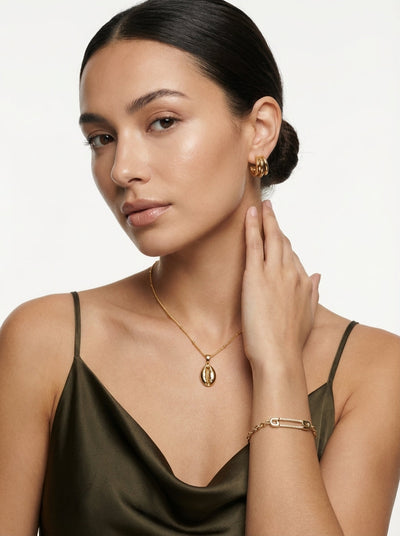
Slip dresses already carry sheen and movement, so your necklace stack should add shape, not noise. Use one medium utility-style pendant and one slim support chain. Avoid heavy triple-statement layering; it competes with the dress texture and can look overworked.
A piece like Nelo Huggie Earrings can anchor this look beautifully. Keep drop length around upper-to-mid chest and let earrings frame the face. The result feels modern, not overly romantic, which fits 2026’s function-meets-style direction.
For date-night lighting, test your look once in warm indoor light. If everything disappears, increase earring scale one level. If the stack dominates, remove one chain. Tiny adjustments make under-$20 jewelry look dramatically more expensive.

6) Office-Safe Wallet Necklace Styling (Without Looking Too Trendy)
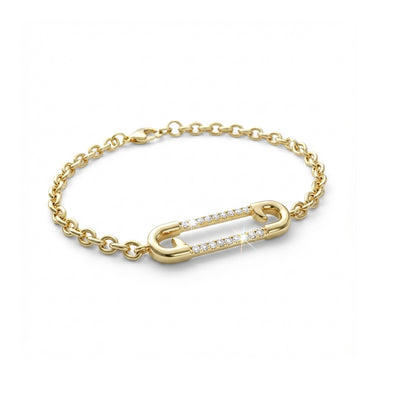
Yes, you can wear this trend to work. The key is compression: shorter stack, cleaner lines, and less movement. Choose one compact pendant, one subtle earring, and one bracelet max. Keep jewelry noise low for meetings and keyboard-heavy days.
If your office dress code is strict, anchor the look with tailored separates—button-up shirt, soft blazer, wide-leg trouser—and let the pendant peek through an open collar. This placement looks polished, intentional, and never loud.
Need more weekday formulas? Pair this article with these recent guides: Related Style Guide 1 and Related Style Guide 2. They map easily onto utility-pendant styling because they use the same proportion-first logic.

7) Build an Under-$20 Utility Capsule in 5 Pieces
You don’t need ten new items. Build a five-piece utility capsule and rotate combinations:
- One focal utility-inspired pendant necklace
- One short anchor chain
- One medium hoop or huggie earring
- One slim everyday bracelet
- One texture-contrast support piece
With these five roles covered, you can create more than a dozen combinations across workdays, weekends, and nights out. The secret is assigning each piece a function before buying it. If a new item has no clear role, skip it.
Use the three-outfit rule: if the piece cannot pair with at least three outfits you already wear often, it is not capsule-worthy yet. This one filter keeps your collection focused and saves money while still letting you play with trends.

8) 7-Day Rotation Plan You Can Actually Follow
Here is a practical weekly map: Monday: white shirt + tailored pants + compact utility pendant. Tuesday: knit tank + denim + medium hoop support. Wednesday: blazer + tee + minimal stack. Thursday: linen set + one polished focal. Friday: slip dress + sculptural earring. Saturday: oversized shirt + layered pendant formula. Sunday: monochrome basics + mixed texture bracelet.
This structure removes morning decision fatigue. You are not creating from scratch every day; you are rotating proven pairings. Over two weeks, you will learn the exact lengths and scales that suit your wardrobe and face framing best.
Save photos of your best combinations in a phone album. On rushed mornings, pull one combination and go. Consistency is what makes style look expensive, not endlessly buying new pieces.
For even better repeatability, lock your necklace lengths once and write them down in your notes app: short anchor length, focal drop length, and optional support length. Most styling frustration comes from re-testing chain lengths every day. Once your personal measurements are fixed, getting dressed becomes much faster and your stacks look cleaner in photos.
Another practical trick is “texture pairing.” If your top is matte (cotton tee, knit tank, brushed blazer), use one polished or glossy necklace element. If your top is shiny (satin or silk), switch to a slightly brushed or ribbed metal support. This contrast keeps the outfit dimensional and avoids the flat “everything looks the same” effect.
When traveling, pre-pack one mini utility capsule in a zip pouch: one focal necklace, one anchor chain, one earring pair, and one bracelet. That single pouch can build day and night looks without overpacking. The same system works for gym-to-dinner transitions or weekend city breaks where you need versatility and quick styling decisions.

9) Mistakes That Make Utility Jewelry Look lower-quality
Mistake one: stacking too many similar chains with no focal hierarchy. Mistake two: mixing three unrelated shape languages. Mistake three: pairing heavy hardware jewelry with equally loud prints. The result is visual noise.
Fixes are simple: keep one clear focal, repeat one shape family, and leave one quiet zone (bare wrist, clean neckline, or simple ear). You want breathing room around your statement piece so it reads intentional.
Care also changes perception. Wipe jewelry after wear, store pieces separately, and avoid tossing multiple chains together. Presentation quality often comes from maintenance habits, not price.
One more hidden mistake is ignoring neckline architecture. Crew necks usually need shorter stacks with stronger vertical focal placement, while open collars can handle longer drop lines. If the necklace fights the neckline shape, even premium pieces can feel awkward. Aligning shape first is a low-cost way to make every outfit feel intentional.
Finally, avoid trend-hopping without a filter. Before buying any new utility-inspired piece, ask: does it support at least three of my existing outfits, and does it pair with at least two items already in my jewelry drawer? If yes, it’s likely a useful addition. If not, it is probably short-term novelty that won’t earn real wear.
A useful quality check is to review your outfit from three distances: mirror-close, doorway distance, and camera distance. At mirror-close, look for finish quality and chain tangles. At doorway distance, verify the focal hierarchy is clear. At camera distance, check whether the stack still reads intentional or just busy. This three-step pass takes less than a minute and catches most styling issues before you leave home.
When in doubt, simplify by one step. Remove one chain, reduce one earring size, or skip one bracelet. Utility-chic styling is strongest when the focal story is obvious and the support pieces are quiet. Clarity always outperforms excess, especially for everyday wardrobes where repeat wear and comfort matter as much as trend relevance.
10) FAQ: Wallet Necklace Trend April 2026
What is a wallet necklace in 2026 styling?
It is a utility-inspired focal necklace with hardware, key, pouch, or card-case character used as the center of a layered look.
Are wallet necklaces still trending in April 2026?
Yes. 2026 trend coverage consistently supports personal, functional, and expressive accessories.
How many necklaces should I layer at once?
For daily wear, two to three layers total is the sweet spot.
Can I wear this trend to work?
Yes—compress the stack and keep the rest of the jewelry minimal.
How do I make under-$20 pieces look premium?
Prioritize proportion, hierarchy, and consistency; avoid over-layering and keep pieces well maintained.