










Sculptural Cuff Jewelry Trend April 2026: 10 Minimal-Statement Looks to Wear on Repeat
HyraModeCuff bracelets are one of April 2026's clearest jewelry signals because they deliver immediate outfit structure without complicated layering. This guide turns trend noise into practical formulas you can actually repeat made for everyday styling.
Why Cuff Bracelets Are Rising Again in April 2026
Spring 2026 fashion coverage is leaning toward intentional statement pieces rather than tiny details that disappear in real life. Editorial analysis from Vogue and Marie Claire points to sculptural silhouettes and high-contrast accessories that can elevate simple wardrobes fast. That shift is exactly where cuff bracelets win: they are visible, practical, and easy to integrate with basics like white shirts, tank tops, blazers, and denim.
On the discovery side, Pinterest-related reporting from National Jeweler and broad category demand via Google Trends suggest continued appetite for bold but wearable jewelry cues. In other words, shoppers want accessories that feel personal but still function Monday through Sunday. Cuffs fit that demand because one piece can look intentional in office settings, dinner plans, and casual weekends with only minor styling changes.
The Core Formula: One Wrist Hero, Two Supporting Lines
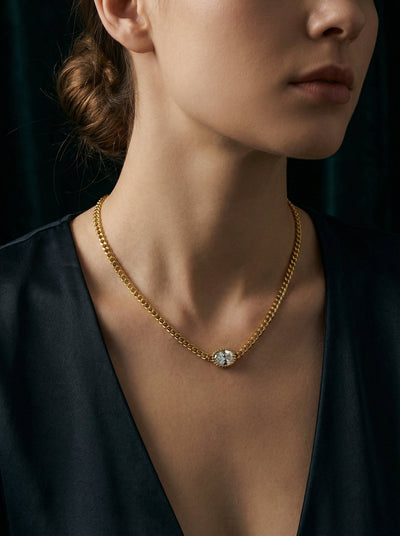
The easiest way to style cuffs without looking overdone is to apply a simple hierarchy. First, choose one wrist hero: your statement cuff. Second, add one support line near the neckline (usually a slim chain or pendant). Third, add one compact ear anchor, such as huggies or small hoops. This gives your look balance so the cuff reads intentional rather than random.
When people say their stack looks “too much,” the issue is usually not the cuff itself. It is equal visual weight in every zone. If your wrist, ear, and neck all compete at full intensity, the look loses shape. Keep one zone dominant and the others supportive. That one rule makes under-$20 jewelry look dramatically more premium because your styling shows control.
Formula 1: White Shirt + Denim + Polished Cuff
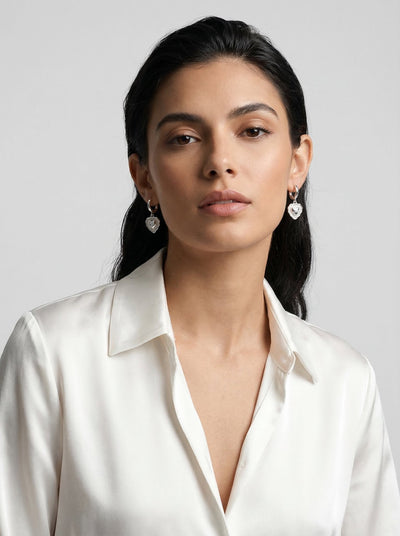
This is the fastest weekday formula for looking polished with minimal effort. Start with a crisp white shirt and medium-wash denim. Add a polished cuff over bare skin or a clean rolled sleeve opening. Keep earrings compact and skip heavy rings. The outfit stays fresh and modern because the cuff creates structure while the rest of the look remains quiet.
For video calls, this formula also performs well because hand movement naturally catches light when you type or gesture. The result is subtle but visible style impact without needing loud color. If you want to dial up personality, use a textured cuff finish while keeping your neckline minimal.
Formula 2: Knit Top + Mixed-Metal Cuff Balance
Knit textures can flatten accessories unless you add one sharper line. A cuff provides that contrast immediately. If your knit is neutral, test a mixed-metal strategy: dominant silver at the wrist and a small warm accent at the ear or neck. This keeps the look current without forcing a full metal switch in your whole jewelry box.
Use a 70/30 ratio instead of a perfect 50/50 split. One dominant tone gives visual clarity; the secondary tone keeps it interesting. This is especially useful if your closet already mixes hardware colors. A cuff can act as the bridge piece that makes those contrasts look intentional.
Formula 3: Office Tailoring + Understated Statement
For professional settings, choose one cuff with clean geometry and smooth edges. Pair it with a blazer or tailored shirt and keep other accessories slim. The goal is “visible confidence,” not sparkle overload. One refined wrist focal point often reads more modern than multiple tiny bracelets because it has shape and purpose.
If your sleeves are long, keep them slightly pushed to reveal the cuff line. If sleeves are short, choose a slimmer profile cuff to avoid crowding. These proportion tweaks make a major difference and help your jewelry look curated instead of accidental.
Formula 4: Weekend Linen + Soft-Structure Cuff Styling
Linen and cotton weekend outfits are perfect for cuff styling because soft fabrics need one structured element to look complete. A curved cuff can deliver that instantly. Pair with relaxed earrings and one minimal chain. You get “effortless luxury” energy without overthinking your closet.
For travel or brunch days, this is one of the highest-value formulas because it repeats easily. One cuff can work across multiple tops, so your packing stays light while your outfits still look distinct in photos. That repeatability is where trend pieces become practical investments.
Formula 5: Date-Night Contrast With Negative Space
Date-night styling works best when you preserve breathing room around statement jewelry. Let your cuff be the hero, then avoid stacking too many rings or layered bracelets nearby. Add a simple earring and one soft neckline detail. The negative space around your wrist focal point helps the whole look feel expensive.
If your outfit has shine (satin, silk, sequins), choose a cleaner cuff silhouette. If your outfit is matte, you can go bolder with reflective finish. Contrast management matters more than item count. This is why small, intentional edits outperform “more is better” stacking.
Under-$20 Product Edit: 8 M/D Images With 90-Day Freshness Priority
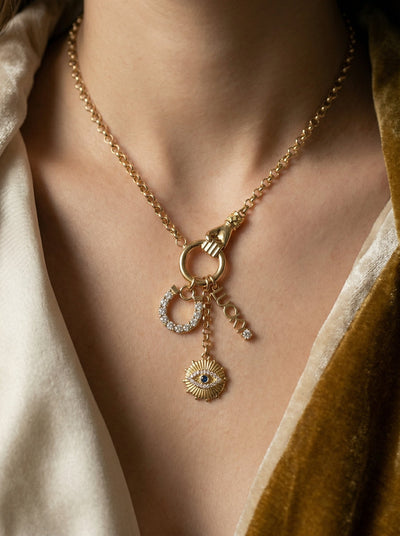
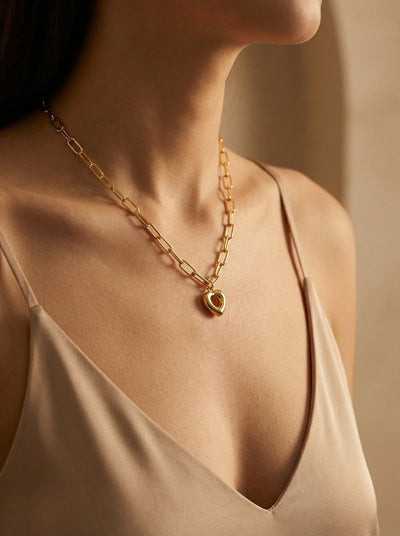
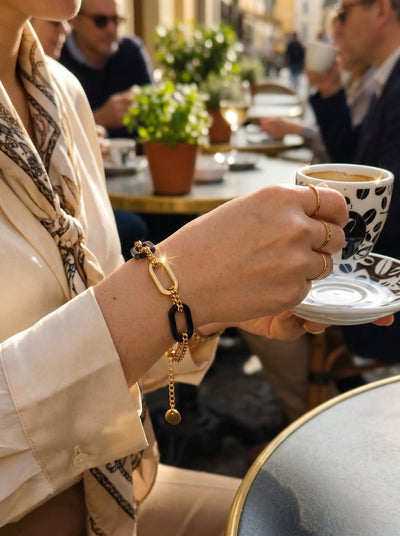
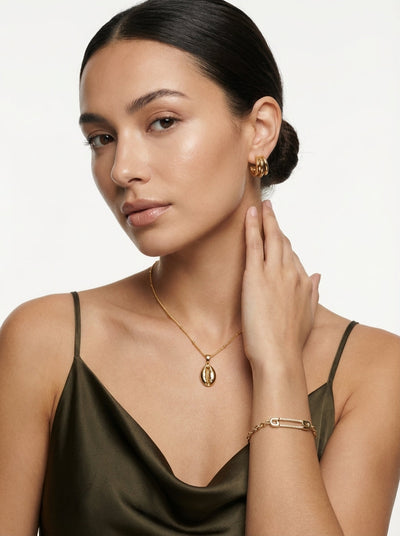
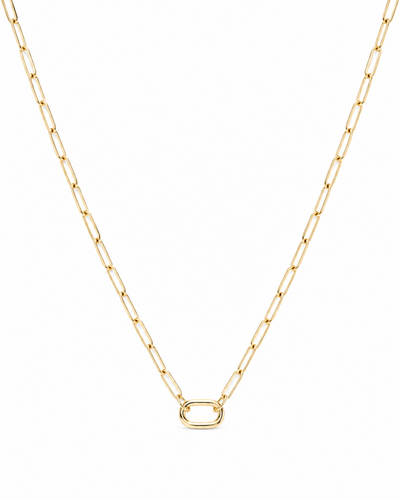
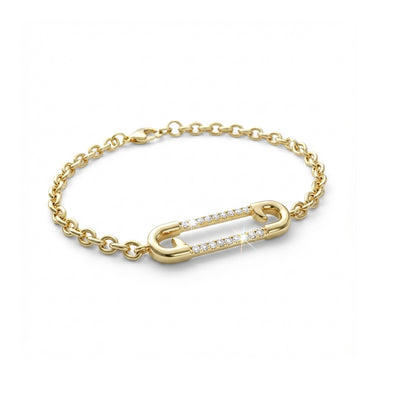
These eight product visuals are selected from M/D assets, prioritizing not-used-in-last-90-days first and allowing older fallback only where needed. All links are live product pages and image URLs are reachable.


7-Day Cuff Styling Plan You Can Actually Follow
Use this one-week plan to turn trend inspiration into habit: Day 1 build one base stack; Day 2 wear it with tailoring; Day 3 adapt for casual denim; Day 4 test mixed-metal ratio; Day 5 do a date-night version with more negative space; Day 6 simplify to one hero plus one support; Day 7 keep only combinations that worked in at least three real contexts. This process prevents trend fatigue and gives you a repeatable personal formula.
If you want more layering references, review this recent HyraMode style guide and this related trend article. Keep the same logic across every look: one dominant zone, one support zone, one breathing zone. Over time, that discipline makes your whole jewelry wardrobe feel more cohesive.
One practical way to keep cuff styling consistent is to create a tiny decision framework before each week starts: choose one office-ready cuff, one weekend cuff, and one evening cuff. Then assign each to at least two outfits you already own. This avoids last-minute overthinking and helps you evaluate what truly gets worn. If a piece cannot match two existing outfits, pause the purchase. If it can match three or more, it is likely a high-rotation winner. This method keeps spending disciplined while improving styling quality over time.
Another useful habit is photo-based review. Take quick mirror photos in daylight and indoor lighting. Cuffs that look balanced in both settings are your strongest performers; cuffs that disappear in one setting often need either a different sleeve shape or a cleaner companion piece. This simple feedback loop helps you fine-tune proportion faster than buying more jewelry. In 2026, the best trend strategy is not collecting everything; it is refining what already works and repeating it with confidence.
To improve repeatability, build a two-column checklist: left side for outfit types you wear every week, right side for jewelry combinations that support each one. When a cuff can map to multiple outfit types without friction, it has real wardrobe value. This practical lens also reduces impulse buying because you can see whether a new piece fills a gap or just duplicates what you already own.
Care and storage also influence how premium your stack looks over time. Wipe cuffs after wear, avoid direct fragrance contact, and store curved pieces separately so metal edges stay clean. Small maintenance habits preserve finish quality and help every look feel sharper in person and on camera. That is especially important for reflective styles, where surface condition strongly affects visual impact.
One practical way to keep cuff styling consistent is to create a tiny decision framework before each week starts: choose one office-ready cuff, one weekend cuff, and one evening cuff. Then assign each to at least two outfits you already own. This avoids last-minute overthinking and helps you evaluate what truly gets worn. If a piece cannot match two existing outfits, pause the purchase. If it can match three or more, it is likely a high-rotation winner. This method keeps spending disciplined while improving styling quality over time.
Another useful habit is photo-based review. Take quick mirror photos in daylight and indoor lighting. Cuffs that look balanced in both settings are your strongest performers; cuffs that disappear in one setting often need either a different sleeve shape or a cleaner companion piece. This simple feedback loop helps you fine-tune proportion faster than buying more jewelry. In 2026, the best trend strategy is not collecting everything; it is refining what already works and repeating it with confidence.
To improve repeatability, build a two-column checklist: left side for outfit types you wear every week, right side for jewelry combinations that support each one. When a cuff can map to multiple outfit types without friction, it has real wardrobe value. This practical lens also reduces impulse buying because you can see whether a new piece fills a gap or just duplicates what you already own.
Care and storage also influence how premium your stack looks over time. Wipe cuffs after wear, avoid direct fragrance contact, and store curved pieces separately so metal edges stay clean. Small maintenance habits preserve finish quality and help every look feel sharper in person and on camera. That is especially important for reflective styles, where surface condition strongly affects visual impact.
FAQ: Cuff Bracelet Trend April 2026
1) Are cuff bracelets still trending in April 2026?
Yes. Spring 2026 trend coverage continues to highlight sculptural, statement-ready metal accessories, including cuff silhouettes.
2) How many cuff pieces should I wear at once?
For daily wear, one cuff-focused hero plus one or two smaller supporting pieces creates the cleanest result.
3) Can cuff bracelets work for office outfits?
Absolutely. Keep your sleeve area clean, use one polished cuff, and avoid stacking too many movement-heavy pieces.
4) Should I choose silver or gold first?
Start with the metal that appears most in your closet. Add the second metal later as a controlled accent.
5) How do I make under-$20 jewelry look premium?
Prioritize proportion, spacing, and repeatable formulas. One focal piece with supporting lines looks more premium than over-layering.