










Paperclip Chain Necklaces: Why This Trend Isn't Going Anywhere
HyraModeChunky, bold, and unmistakably modern — the paperclip chain necklace has dominated jewelry trends since 2023, and in 2026, it's still going strong. Here's why this trend has staying power, and how to wear it.
What Is a Paperclip Chain?
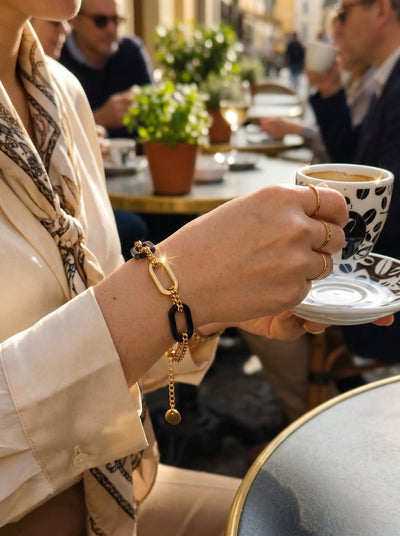
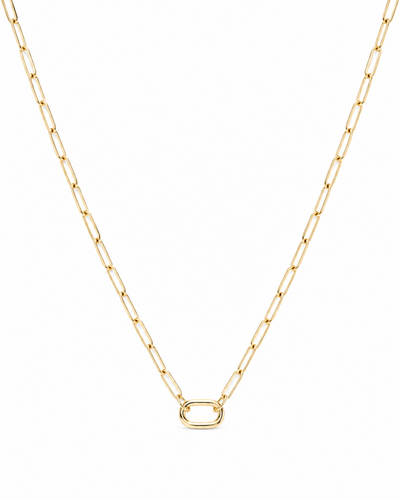
A paperclip chain features elongated, rectangular links that resemble — you guessed it — paperclips. Unlike traditional round-link chains, paperclip chains create a bold, geometric pattern that catches light from multiple angles.
The design originated in vintage jewelry but was modernized by luxury brands like Tiffany & Co. and David Yurman. Today, affordable versions deliver the same impact at a fraction of the price.
Why Paperclip Chains Are Here to Stay
1. They Work Solo or Layered
A paperclip chain is substantial enough to wear alone as a statement piece. But its clean lines also pair beautifully with delicate chains for layered looks. That versatility is rare.
2. Gender-Neutral Appeal
The architectural, geometric design transcends gender norms. Paperclip chains are equally popular in men's and women's jewelry — making them a trend with double the market staying power.
3. They Photograph Well
In the Instagram/TikTok era, how jewelry looks on camera matters. Paperclip chains catch light beautifully and create clear, defined shapes that read well in photos and videos.
4. Timeless Meets Trendy
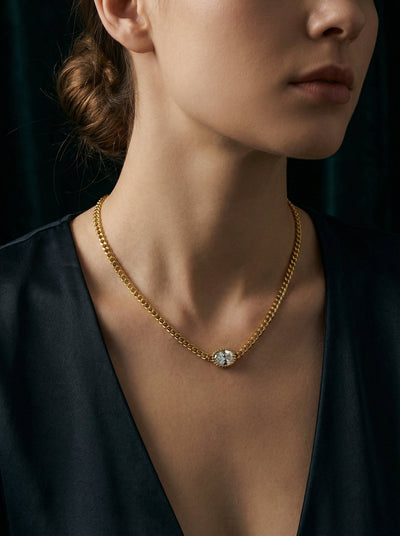
The best fashion items balance current trends with classic sensibility. A gold paperclip chain is trendy enough to feel modern but simple enough to never look dated.
💡 Expert Summary
Paperclip chains have transitioned from trend to wardrobe staple. Their versatility (solo wear, layering, gender-neutral styling) and photogenic qualities explain their longevity. For maximum value, choose beautifully finished versions that maintain their finish for years.
How to Style a Paperclip Chain Necklace
Minimalist Look
Wear a single paperclip chain with a plain white tee or black turtleneck. Let the chain be the only accessory. Clean, sharp, effortless.
Layered Look
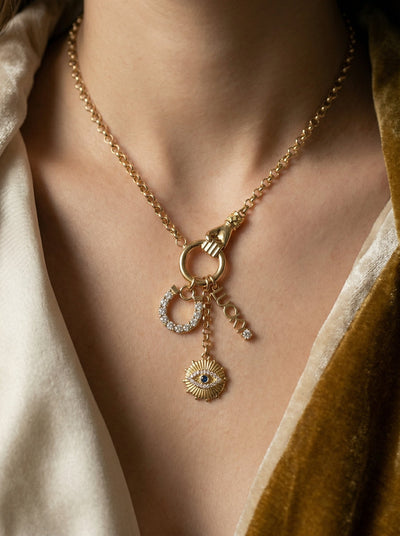
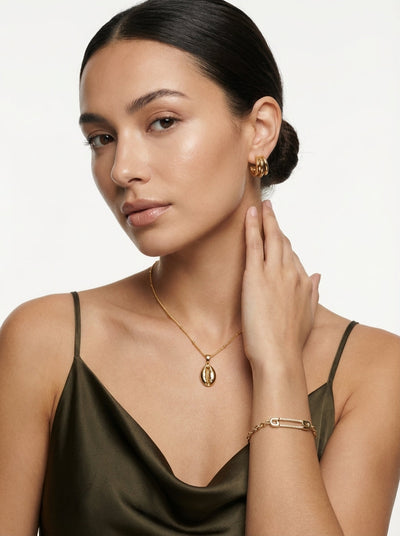
Pair with a shorter delicate chain and a pendant necklace at different lengths. The contrast between chunky and delicate creates visual depth.
With a Pendant
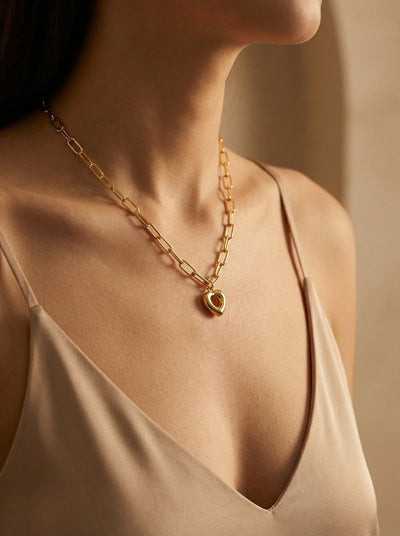
Some paperclip chains come with a heart or charm pendant — like our Chunky Open Heart Paperclip Necklace. The bold chain plus a playful charm adds personality.
Dressed Up
A gold paperclip chain over a blazer or cocktail dress adds modern edge to formal outfits. It's the jewelry equivalent of wearing sneakers with a suit — unexpected but intentional.
Paperclip Chain Size Guide
- Small links (3-5mm): More delicate, great for everyday and layering
- Medium links (6-10mm): The sweet spot — visible without being overwhelming
- Large links (12mm+): Bold statement piece, best worn solo
Why advanced-Coated Paperclip Chains Are the Smart Buy
Paperclip chains have more surface area than delicate chains, which means more opportunity for plating to wear off. That's why advanced finishing is especially important for this style — the molecular bond protects all those flat link surfaces.
Explore our gold necklace collection for current prices and available styles.
According to Vogue, a well-chosen necklace is the fastest way to elevate a simple outfit into something memorable.
Harper's Bazaar style editors consider necklace layering one of the defining jewelry trends of the decade.
As Who What Wear puts it, the modern approach to necklaces is about personal curation rather than following rigid rules.
Frequently Asked Questions
Are paperclip chains still in style in 2026?
Yes. Paperclip chains have been popular for 3+ years and show no signs of fading. Their versatility and gender-neutral appeal give them staying power beyond typical trends.
What length paperclip chain should I get?
18" is the most versatile — it falls just below the collarbone and works with most necklines. For layering, choose 16" or 20" to create length contrast.