









Mixed Metal Jewelry: How to Wear Gold and Silver Together (2026 Guide)
HyraModeOkay, real talk: I used to be the person who'd take off every piece of jewelry before getting dressed just so nothing would "clash." Gold day, silver day, never both. My mom would have been proud. My outfits? A little boring.
Then I started paying attention to every stylist, every editorial, every "what I wore today" reel on Instagram — and they were all doing the same thing. Mixing. Gold hoops. Silver necklace. Gold ring. Silver cuff. Done. And it looked so good.
Turns out, the rule was never actually a rule. It was just something we told ourselves. And in spring 2026? The memo has officially gone out: mixed metals are everywhere, and they are not going anywhere. Marie Claire's Spring 2026 runway roundup put mixed metals in the top three trends off the spring runways, and Pinterest's 2026 trend data shows "mixed metal jewelry styling" searches up over 80% year over year. Stylists at StyleCaster are calling it the most wearable jewelry upgrade of the year.
Here's everything you need to do it well — with pieces that cost less than your last coffee order.

Why Mixed Metals Are the Biggest Jewelry Story of Spring 2026
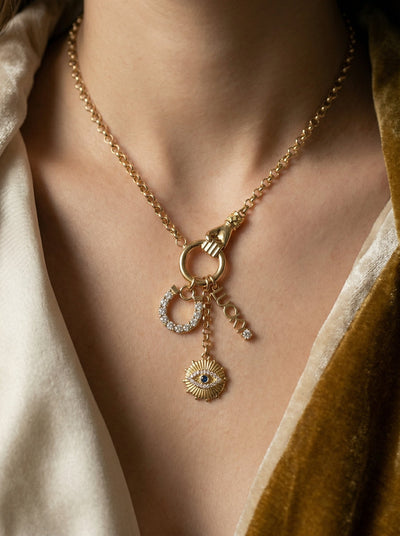
Every few years, fashion does a full reset on a rule that didn't need to exist. This year it's the "match your metals" myth. Designers sent models down spring 2026 runways dripping in gold chains over silver pendants, mixing hammered silver cuffs with gold rings, layering two-tone pieces like they were born to coexist — because they were.
The shift is cultural, too. Gen Z and millennials grew up mixing everything: high and low fashion, vintage and new, casual and dressy. Why would jewelry be any different? A $12 silver necklace layered with a $14 gold chain reads as expensive and intentional when you know what you're doing.
The good news: you don't need a fashion degree. You need like three pieces and five minutes.
First, Let's Kill the Old Rule Properly
The "don't mix metals" rule has no actual design logic behind it. It came from a time when matching everything — your purse to your shoes, your earrings to your necklace — was considered polished. We've moved on from that era in literally every other category. Jewelry caught up.
Even fine jewelry brands have been mixing metals for years — two-tone wedding bands, yellow gold rings with white gold prongs, rose gold bezels on silver bands. If it works for $5,000 pieces, it works for $15 ones.
Permission granted. Let's go.

The One-Two Method: Your Starting Point for Mixed Metals
Here's the simplest framework, and once you get it, you'll use it every single time:
Pick a dominant metal (70%) and an accent metal (30%).
If you're mostly a gold person, stay mostly gold. Add one or two silver pieces as accents. If you naturally reach for silver, do 70% silver and let gold do the punctuating. The dominant metal ties everything together. The accent creates that "I did this on purpose" tension that makes the look feel editorial instead of accidental.
Example: Gold studs + gold layered necklace + one silver bangle. Done. That's it. Three pieces, two metals, one complete look.
The pitfall to avoid: equal parts gold and silver with no hierarchy. When both metals compete at the same visual weight, it reads as indecisive instead of intentional. Give one the lead.
How to Layer Necklaces with Mixed Metals
Layering necklaces is where mixed metals get really fun — and really easy to overthink. Here's how to stop overthinking it.
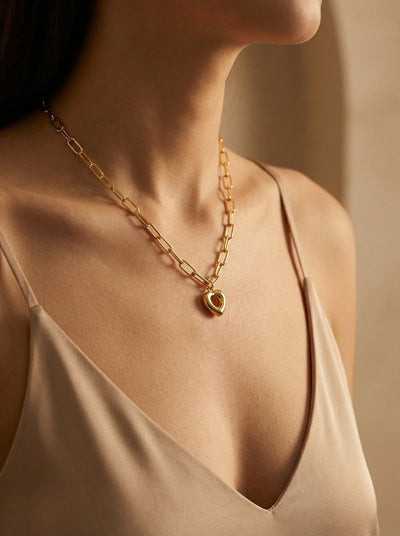
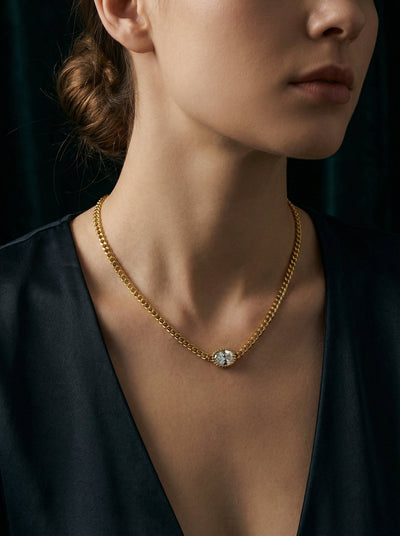
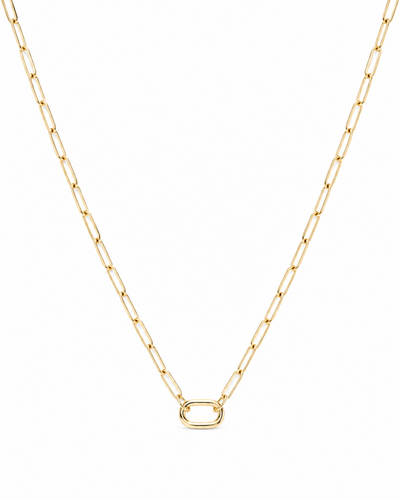
Start with length. A 16-inch chain sits at the collarbone; an 18-inch chain falls in the upper chest; a 20–22-inch chain hits mid-chest. Use different metals at different lengths and they never compete — they cascade.
A go-to mixed metal necklace stack:
- 16" gold chain — the collarbone anchor
- 18" silver pendant — the focal piece
- 20" gold chain — the finishing layer
The pendant (silver) is the star. The gold chains are its supporting cast. See how that works? One metal for drama, the other for structure.
Pro tip: If you're new to this, check out our complete necklace layering guide — it covers length combos, clasp tricks, and how to prevent the dreaded tangle.

Ear Stacking: The Easiest Place to Mix Metals
Your ears are the lowest-stakes place to experiment. Why? Because you can change them in literally 30 seconds if you hate it. (Spoiler: you won't hate it.)
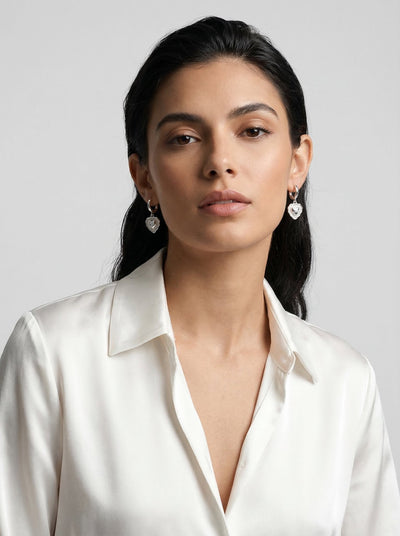
The ear stack that's everywhere right now is the asymmetrical mixed metal look: one ear goes all-gold, the other gets all-silver. Or same metals on both sides but different textures and sizes. Or — my personal favorite — a gold huggie at the lobe with a silver ear cuff climbing the cartilage.

For the cartilage layer, the Savi Ear Cuff is doing everything right right now. No piercing needed, gold finish, sculptural enough to feel intentional. Pair it with a silver huggie at the lobe and you've got that editorial piercing-ladder vibe that'd cost you $80 at a piercing studio.

Read more on building your ear look in our ear cuff styling guide — it goes deep on cartilage placement, asymmetry, and which earring combos actually work.
Wrist Game: Mixing Metal Bracelets Without the Chaos
Wrist stacking is where mixed metals can get messy fast — but only if you don't have a system. Here's the system:
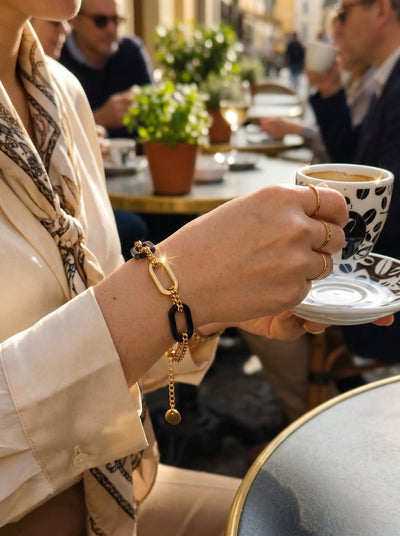
The 70/30 rule applies to your wrist stack too. If you're wearing four bracelets, three should share a metal tone. The fourth creates the accent. Vary textures within the same metal — a flat box chain, a paperclip link, a slim bangle — and they'll look layered without fighting each other.

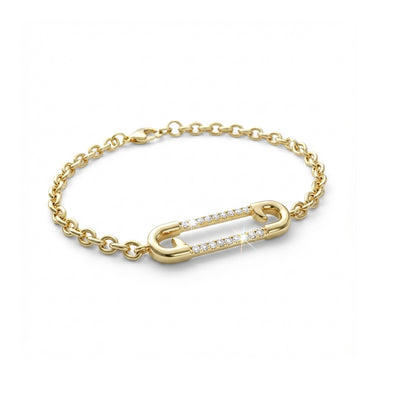
Try this stack: two gold bracelets (the Arlo Flat Box Chain is perfect as the dainty base layer) plus one silver piece as the statement. Add the Bree Bow Pearl Bracelet in silver for a texture contrast that bridges the metal gap beautifully — the pearl detail reads as a neutral that somehow makes both metals look intentional.

For more inspo, our 5 gold bracelet stacks guide has ready-to-copy stack formulas.
The Outfit Rule: When to Go Mixed Metals
Here's a quick cheat sheet so you never second-guess yourself:
- White tee + jeans: Mixed metals every time. The casualness needs the visual interest.
- All-black outfit: Mixed metals are your best friend. Both gold and silver pop against black.
- Floral dress: Stick to one metal (usually gold). The print is already doing a lot.
- Monochrome look: Mixed metals add dimension. Go for it.
- Office attire: One dominant metal, one accent. Keep the stack to three pieces max. Clean lines, intentional.
- Beach / casual: Full freedom. Layer everything. The more the better.
The Mixed Metal Picks That Are Getting Us Through Spring
Let's talk specific pieces. These are the ones we keep reaching for — and they happen to work perfectly together across metals:

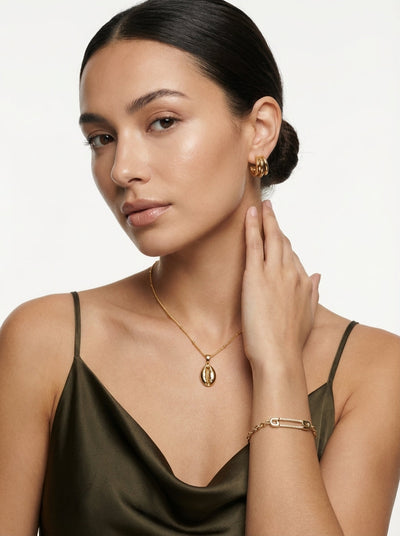
The Aura Oval Hoop in silver is a perfect anchor for a mixed metal ear look. Oval shape reads as modern without trying too hard. Pair with gold studs on the same ear (or the other lobe) and a silver cuff climbing the cartilage.

And if you want your ears to do all the heavy lifting — the Bora Chunky Square Hoop in gold is your move. Geometric, bold, and sculptural (very 2026). Let these be the statement and keep your necklace minimal. One silver chain, nothing else. The contrast between one bold gold ear piece and a quiet silver necklace is exactly the kind of editorial tension that reads as effortlessly cool.
Common Mixed Metal Mistakes (Easy to Avoid)
Mistake #1: Too many statement pieces at once.
One statement, the rest subdued. Always. If you have a chunky gold hoop, your necklace should be delicate. If you have a bold silver pendant, your earrings should be studs or small huggies.
Mistake #2: Random mixing with no visual anchor.
Use the 70/30 rule. One metal leads. The other accents. You shouldn't be doing 50/50 unless you're specifically using a two-tone piece that does the mixing for you.
Mistake #3: Mixing metals AND mixing scales AND mixing eras at the same time.
If you're mixing metals, keep the style cohesive. Minimalist metals with minimalist metals. Chunky with chunky. Don't add a Victorian locket to a modern geometric stack — that's style mixing on top of metal mixing, and it needs more skill to pull off.
Mistake #4: Thinking it needs to be expensive to work.
It absolutely does not. The 2026 jewelry trend report from Your Girl Knows specifically calls out that mixed metals work best when the pieces themselves are clean and well-made — not when they're expensive. A HyraMode chain layered with a pendant is going to photograph better than a tangled designer pile. Quality of material (18K gold plated, PVD coated) matters more than finish and feel.
Your Mixed Metal Starter Kit: made for everyday styling Total
You don't need a jewelry overhaul. You need three to four pieces and a willingness to mix them up. Here's what we'd pick:
- ✦ Ears: Ciru Huggie (gold) + Savi Ear Cuff (gold, no piercing needed)
- ✦ Or go silver at the lobe: Caia Croissant Huggie paired with a gold necklace
- ✦ Wrist: Arlo Box Chain (gold) + Bree Bow Bracelet (silver)
- ✦ Statement earring: Bora Chunky Square Hoop (gold) when you want the ears to lead
That's four pieces. Mix any three. Every combination works. Every outfit handled.
The thing about jewelry in 2026 is that the rules are finally catching up to how people actually dress — layered, personal, a little unexpected. Mixed metals aren't a trend that needs a lot of money or a lot of effort. They just need a willingness to stop overthinking the metals drawer.
Pull out two chains. Put on both. Walk out the door. That's it.
FAQ: Mixing Gold and Silver Jewelry
Can you mix gold and silver jewelry?
Yes — and in 2026, you absolutely should. The old rule that you have to match your metals is officially over. The key is intentional mixing: pick one metal as the dominant tone and use the other as an accent. It looks layered and curated, not mismatched.
What is the easiest way to start mixing metals?
Start with your ears. Try one gold huggie and one silver hoop on the same ear, or wear gold earrings with a silver necklace. Ears are low-stakes — you can swap in seconds. Once you love how it looks, layer in your wrists.
Does mixed metal jewelry look lower-quality?
Not at all — when done right, it looks editorial and expensive. The secret is proportion and repetition. If you wear a gold bracelet and a silver one, balance them with a third piece in either metal. Three points of the same metal read as intentional, not accidental.
Which metals mix best together?
Gold and silver are the classic pairing and work beautifully together. In 2026, gold and silver mixed on a single piece — like a two-tone chain or a silver piece with gold hardware — is especially popular. Rose gold can also work as a bridge metal between the two.
How do you mix metal bracelets without it looking chaotic?
Stick to the 70/30 rule: 70% of one metal, 30% of the other. If your stack is mostly gold, add one silver piece. Vary the textures — a flat box chain next to a charm bracelet looks intentional. Keep the overall silhouette clean and you're good.