










Minimal Maximalist Jewelry Trend April 2026: 10 High-Contrast Layering Looks to Wear on Repeat
HyraModeIn short: the minimal-maximalist jewelry trend is about contrast, not clutter. You start with one quiet base piece, then add one or two stronger accents that change proportion, shine, and mood. The result looks intentional, editorial, and wearable from morning to night.
April 2026 style behavior keeps moving in this direction. People still want clean, everyday styling—but they also want one expressive detail that feels personal and memorable. That tension between restraint and statement is exactly why minimal-maximalist layering is taking off.
For HyraMode shoppers, this trend is practical: pieces stay wearable, budgets stay controlled, and you can create multiple day-to-night looks with a small capsule. Affordable style works better when each item can play both a quiet role and a focal role depending on what you pair it with.
What “Minimal Maximalist” Really Means in Jewelry
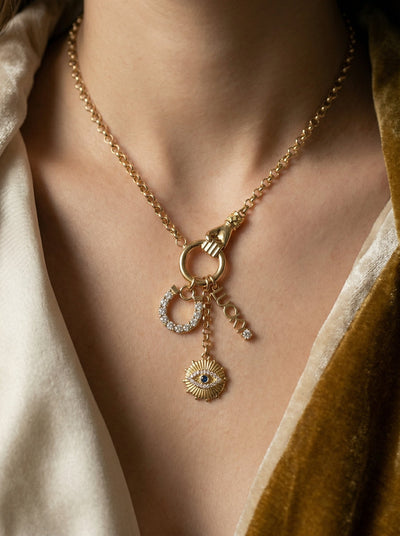
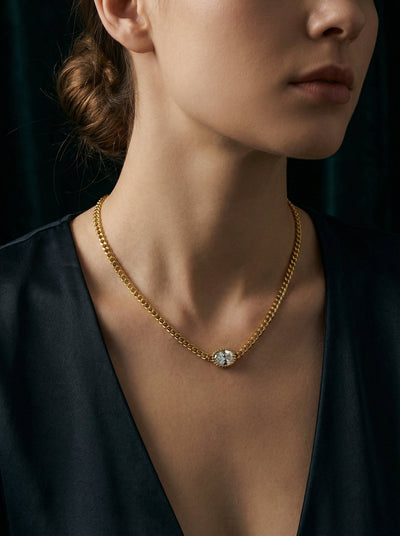
Minimal maximalism is not “wear everything at once.” It is deliberate contrast. Think slim chain plus textured cuff. Tiny huggie plus one sculptural drop. Clean neckline plus one symbolic pendant. You keep visual breathing room, then place one stronger element where attention naturally lands.
This method works because your eye can quickly understand hierarchy: one lead piece, supporting pieces around it, and enough negative space to keep the look premium. The styling feels elevated without feeling loud.

Why This Trend Is Growing in April 2026
Across trend coverage and social styling behavior, three drivers keep appearing:
- Multi-context days: people need looks that can move from desk to dinner quickly.
- Photo-first outfits: one contrast detail reads strongly on camera and in real life.
- Capsule shopping: fewer pieces, more combinations, better cost-per-wear.
That is why contrast layering is outperforming all-or-nothing styling. It gives range without decision fatigue.
Signals from Trend Sources
- Vogue highlighted high-low jewelry behavior and expressive accessories in Spring 2026 collections.
- Google Trends continues to show strong baseline search demand for jewelry styling categories.
- Professional Jeweller notes movement toward sculptural forms, mixed expression, and intentional design stories.
- TikTok styling behavior keeps reinforcing layered formulas and modular combinations.
Even when source language differs, the shared conclusion is clear: contrast and adaptability are defining 2026 jewelry styling.
10 High-Contrast Layering Looks You Can Copy Today
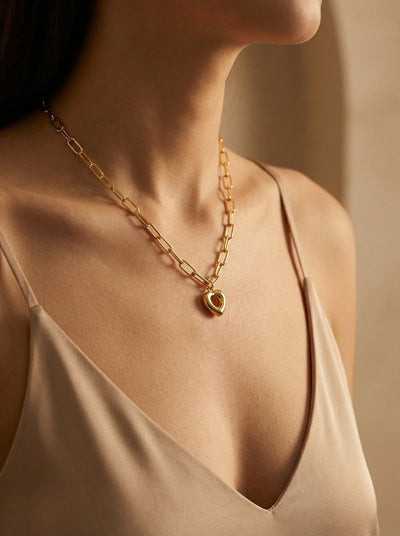
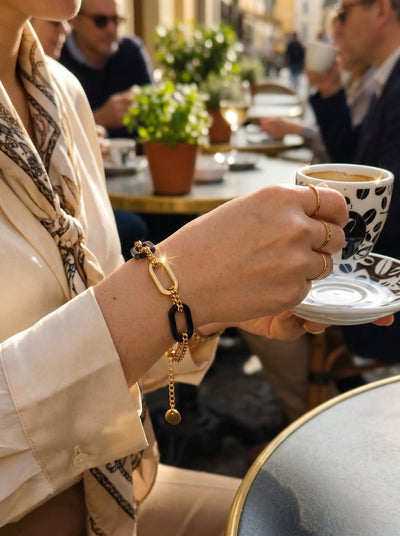
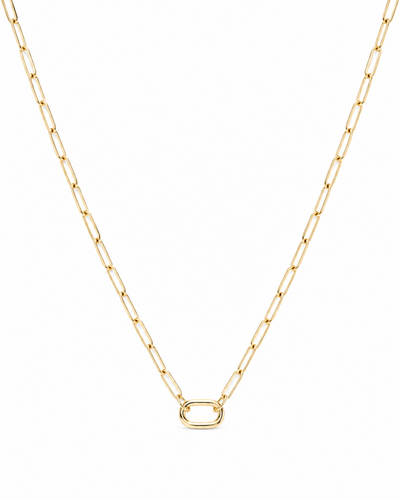
1) Quiet Chain + Structured Bracelet: Wear a slim chain as base, then add one geometric bracelet after work.
2) Soft Hoop + Bold Drop: Start with compact huggies, then switch one ear to a drop silhouette at night.
3) Neutral Neckline + Symbol Pendant: Keep everything clean except one meaningful pendant anchor.
4) Monochrome Outfit + Mixed Texture: Let jewelry texture carry the visual interest, not color overload.
5) Single Wrist by Day, Layered Wrist by Night: Add one second bracelet only after sunset.
6) Silver Base + Gold Accent: One accent piece can modernize familiar silver stacks instantly.
7) Gold Base + Cool-Tone Accent: Reverse the formula for sharper contrast on darker outfits.
8) Ear-First Editing: Keep neck minimal and build the story around one ear silhouette.
9) Sentimental + Architectural: Pair a romantic piece with a structured one for editorial balance.
10) Travel Capsule Contrast: Pack five pieces that can become ten looks by role-switching.

Under-$20 Building Blocks for the Trend
Use these HyraMode items to build a minimal-maximalist capsule:
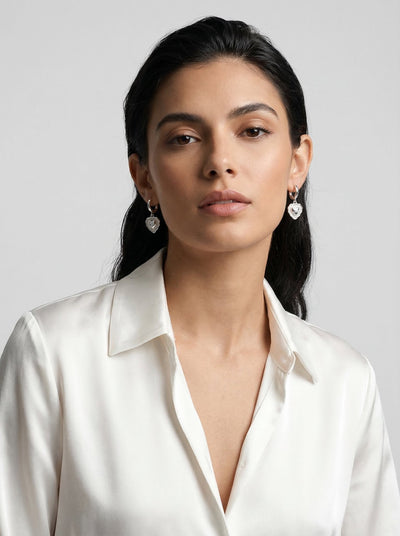
- Amor Heart Hoop Earrings
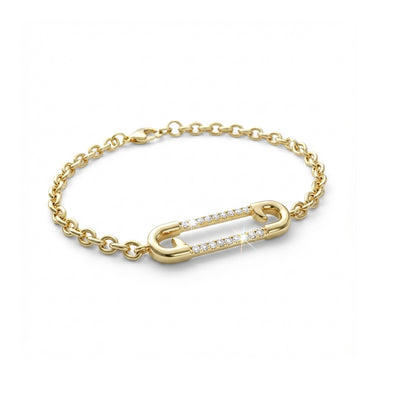
- Arlo Slim Flat Box Chain Bracelet
- Avi Huggie Earrings
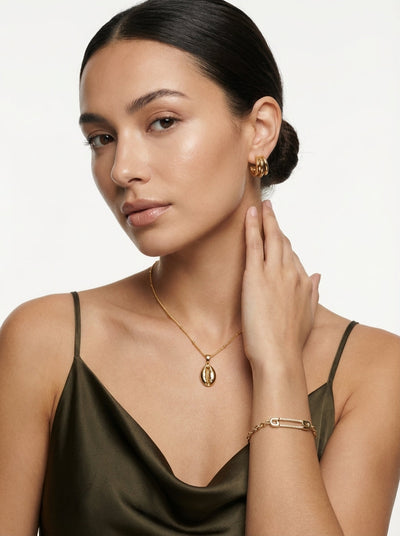
- Cora Gold Cowrie Shell Pendant Necklace
- Cruz Ornate Cross Pendant Necklace
- Dalis Multi-Strand CZ Station Bracelet
- Davi Black Bead Station Bracelet
Each can play either a base role or a focal role. That flexibility is the core advantage.

How to Balance Proportion Without Looking Overdone
Use the 60/30/10 rule for jewelry weight:
- 60% quiet, low-contrast foundation (small hoops, fine chain, slim bracelet)
- 30% secondary texture layer (bead, CZ station, ribbed metal)
- 10% statement accent (drop, symbolic pendant, sculptural piece)
This prevents visual noise and keeps your look refined. Minimal maximalism works best when the statement is precise, not crowded.
Day-to-Night Switches That Take made for everyday styling Seconds
Switch 1: Ear focus. Replace one compact earring with a drop element for movement and light play.
Switch 2: Wrist density. Add one second bracelet with different texture.
Switch 3: Pendant depth. Keep one chain in daytime, then add a lower-length pendant at night.
These tiny edits change the read of your whole outfit without a full accessory reset.

How This Trend Connects to Other High-Intent Topics
If this aesthetic fits your style, these guides pair naturally:
- Mixed Metal Jewelry Trend April 2026
- Sculptural Drop Earrings Trend April 2026
- Vintage Locket Jewelry Trend April 2026
Together, they create a complete system: contrast, movement, and storytelling.

Common Mistakes (and Fixes)
Mistake: all statement, no base.
Fix: start from one clean foundational piece.
Mistake: all pieces at same visual weight.
Fix: vary scale and texture intentionally.
Mistake: adding color + shine + shape all at once.
Fix: pick one dominant contrast axis.
Mistake: no transition strategy between daytime and night.
Fix: pre-plan 1-2 quick swaps in the morning.

A 7-Day Minimal-Maximalist Capsule made for everyday styling
Build a week-long rotation with seven pieces: two earrings, two bracelets, two necklaces, one wildcard accent. Keep one piece constant for identity and rotate the other two daily. This method gives you variety while keeping your style signature recognizable.
You will also reduce impulse shopping, because each new piece has to pass a strict test: can it act as both base and accent? If yes, it earns space in your collection.

Care Tips for High-Rotation Pieces
Pieces worn in both daytime and evening cycles need simple maintenance: wipe after wear, separate storage for chains, and avoid stacking with sharp clasps in one pouch. Put jewelry on after skincare and fragrance to minimize residue buildup. Small habits preserve shine and keep clasps reliable.
When your capsule stays clean and comfortable, repeat wear feels luxurious—not repetitive.

Styling by Outfit Type: Fast Contrast Templates
White tee + blazer: keep the neckline clean with one compact pendant and use wrist contrast to carry the look. A slim box-chain bracelet can stay minimal in daylight, then pair with a CZ station bracelet in the evening for immediate polish.
Slip dress: this outfit already has softness, so add structure through shape instead of volume. Oval or geometric earrings plus one sculptural bracelet create balance without overpowering the neckline.
Knit set: texture-on-texture can get visually heavy. Use one smooth metal element near the face, then one textured accent at the wrist so the eye still gets clarity.
Denim + button-down: this is ideal for high-low styling. Start with one neutral chain and tiny hoops for errands or meetings. Before dinner, add a symbolic pendant or stronger earring silhouette to turn a basic outfit into a styled look.
Monochrome black: maximal contrast can come from shine and movement instead of color. A reflective drop and one layered bracelet are usually enough to create dimension on camera and in person.
Metal Strategy: When to Match vs When to Mix
Matching metals is still the easiest route if you want low-risk elegance. It reads coherent instantly and works especially well for professional settings. But mixed metal can look more current when done with control. The key is assigning one metal as dominant and one as accent.
Try a 70/30 split: 70% one metal, 30% accent metal. That ratio gives contrast while preserving harmony. If you split 50/50 without intention, the stack can look accidental. If you split 70/30 with a focal plan, it looks editorial.
Another useful trick is role-based mixing: keep earrings and necklace in one metal family, then use bracelet as the only contrast category. This isolates the contrast and prevents visual noise.
Cost-Per-Wear Math: Why Contrast Capsules Outperform Random Hauls
A contrast capsule beats impulse buying because each piece has multiple jobs. One bracelet can behave as a subtle daytime base, a night accent, or a connector between two necklace moods. One earring can be minimal in a matched pair and expressive in an asymmetrical pairing.
When each item can perform at least three roles, your effective cost-per-wear drops fast. Even if every piece is made for everyday styling, the real value is not price alone—it is role flexibility. This is how small collections start looking premium and intentional.
Practical benchmark: if a new piece cannot pair with at least four existing pieces in your wardrobe, skip it. Minimal maximalism is not accumulation; it is curation under clear rules.
Photo and Video Optimization: Make Your Jewelry Read Better On Screen
Many people style only for mirror distance, but 2026 outfits are judged on phone cameras first. To make jewelry read clearly in video calls, reels, or selfies, prioritize pieces that produce edge definition and light contrast. Flat reflective surfaces and clean silhouettes are most reliable.
For close-up content, avoid stacking too many same-finish items near each other. They blend into one reflective block. Mix one smooth finish with one textured finish so the camera can separate layers.
If your look reads too flat on camera, add movement near the face—drop earrings or articulated links. If your look reads too noisy, remove one high-shine piece and keep the strongest accent only.
This simple editing approach protects the trend’s core idea: one clear statement within a minimal system.
Occasion Matrix: What to Add, What to Remove
Office: keep one focal area only. Best choice is ear or wrist, not both. Use low-noise metal tones and avoid heavy movement elements.
Date night: add one movement piece and one symbolic piece. This creates both visual softness and personality without looking overstyled.
Weekend social: use texture contrast more aggressively—bead plus metal, smooth plus ribbed, slim plus wide. Keep color minimal if textures are already strong.
Travel: pack one anchor necklace, two earrings, and two bracelets. Build all combinations around the same anchor to avoid overpacking.
Event with formalwear: choose one high-contrast statement and reduce everything else by 20%. The dress already carries visual weight, so jewelry should sharpen, not compete.
How to Build Your Personal Signature Within the Trend
The strongest minimal-maximalist wardrobes are recognizable. That means one repeated signature across looks: maybe symbolic pendants, maybe geometric hoops, maybe textured wrist stacks. Repetition creates identity; variation keeps it fresh.
Choose one signature shape, one signature finish, and one signature placement. Example: oval shapes, brushed-metal feel, and right-wrist emphasis. Then rotate surrounding pieces around that system.
When your style system is defined, getting dressed becomes faster and more consistent. You are no longer choosing from chaos; you are applying a visual framework.
That is the real reason this trend is sticky: it gives freedom inside structure. You can look different every day while still looking unmistakably like yourself.
FAQ: Minimal Maximalist Jewelry Trend April 2026
1) What is minimal maximalist jewelry styling?
It is contrast-led styling: a clean base with one or two stronger accents that create impact without clutter.
2) How many pieces do I need to try this trend?
Five to seven pieces are enough to create many day-to-night combinations.
3) Does this trend require mixed metals?
No. Mixed metals are optional. You can create contrast through texture, scale, and silhouette alone.
4) What is the fastest way to shift from day to night?
Add one movement element near the face and one texture layer at the wrist.
5) Why is this trend popular now?
It matches multi-context lifestyles by creating more visual variety from a smaller, smarter jewelry capsule.