




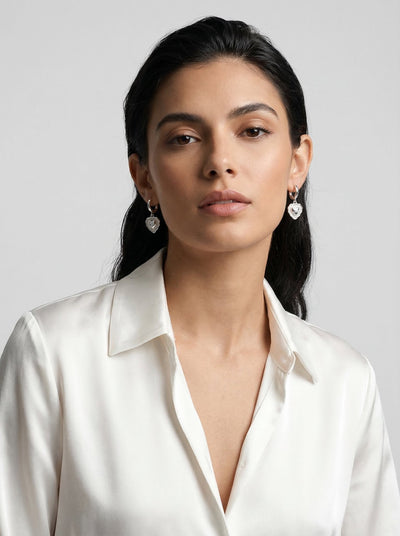


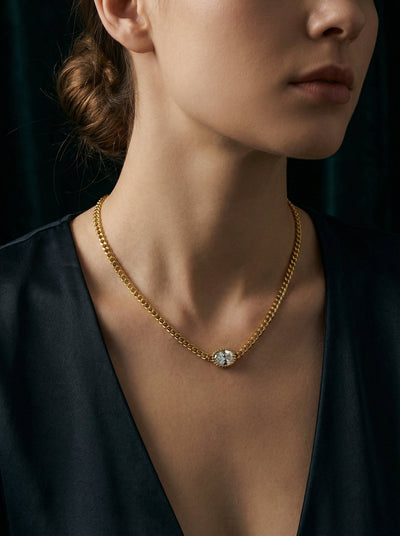


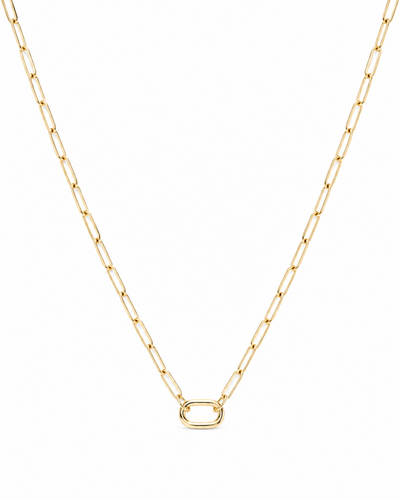
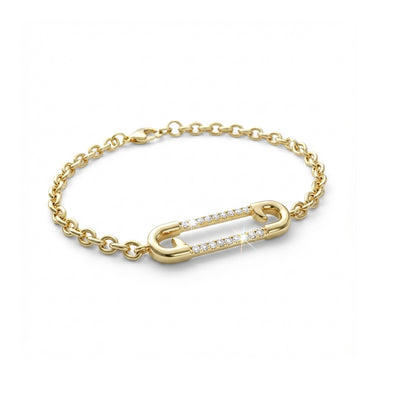


Lariat Necklace Trend April 2026: 10 Vertical Layering Looks to Wear on Repeat
HyraModeLariat Necklace Trend April 2026: 10 Vertical Layering Looks to Wear on Repeat
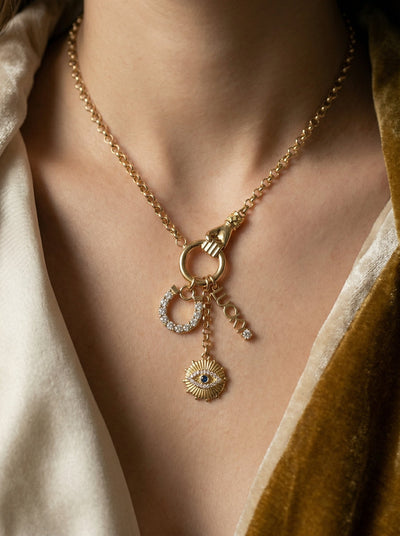
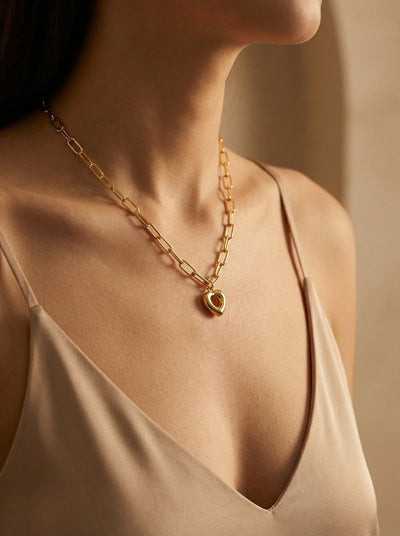
In short: the Lariat Necklace Trend April 2026 is winning because it gives instant outfit structure with almost no styling effort. One vertical line at the neckline makes basics look longer, cleaner, and more intentional.
After several seasons of either heavy statement necklaces or ultra-minimal chains, shoppers are moving toward pieces that do both jobs at once: visually interesting and easy to rewear. Lariat styling fits that demand perfectly. It creates shape, draws the eye down the center line, and layers cleanly with hoops, huggies, and slim bracelets. You get a premium-looking finish without building a complicated stack.
For HyraMode customers, this trend is practical because it works with real closets and real budgets. You can style it with white tees, black tanks, office shirts, slip dresses, and weekend sets. You can wear it to work, to dinner, or in travel capsules. And because under-$20 pieces are easy to rotate, you can keep looks fresh without overbuying.
Why Lariat Necklaces Are Surging in Spring 2026
Trend cycles in accessories usually swing between volume and line. Right now, line is winning. Lariat silhouettes are being saved and worn because they make the neckline look cleaner and longer without the visual weight of layered pendants. The format is expressive but still edited.
There is also a behavior shift behind this rise: shoppers want pieces that solve outfit indecision fast. A lariat does exactly that. If your top feels plain, it adds structure. If your outfit already has texture, it keeps the look elegant rather than busy. That one-piece problem solving is why this shape converts well in both content and checkout journeys.
Trend Signals: Editorial + Search + Styling Intent
Spring 2026 reporting across fashion publishers points in the same direction. Who What Wear and Marie Claire highlight jewelry silhouettes that feel directional but wearable. Glamour also emphasizes styles that translate from runway to everyday dressing.
Demand signals back this up. On Google Trends, U.S. jewelry interest remains active through the recent 90-day window. When broad category demand holds and editorial language converges around wearable statement styling, formats like lariats tend to outperform purely decorative trend pieces.
The 2026 Lariat Aesthetic: Vertical, Clean, Intentional
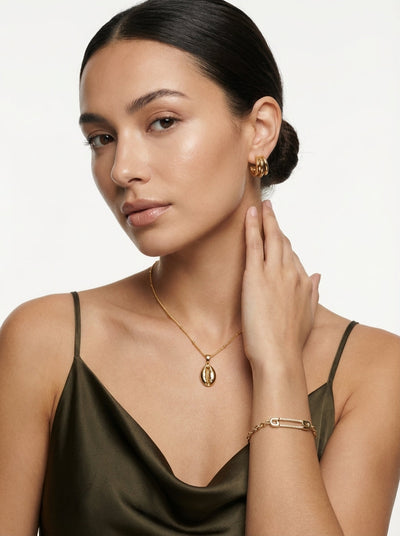
The best lariat looks in 2026 are not maximal. They are architectural. One vertical focal point gets balanced by smaller support pieces around ear and wrist. Think: one drop line necklace + compact huggies + slim bracelet. That gives complete styling without crowding the neckline.
The fastest way to make this trend look expensive is hierarchy. Pick one hero zone, then keep the other zones calm. If your lariat has movement, use smaller earrings. If your ears are stronger, choose a cleaner chain profile at the neck. The result is modern, not costume.
10 Lariat Layering Formulas That Work in Real Life
1) White tee + single lariat line + mini hoops for weekday polish.
2) Blue shirt + compact huggies + slim bracelet for office days.
3) Black tank + longer drop necklace + one ear cuff for after-hours looks.
4) Slip dress + one vertical pendant + one clean bracelet for date night.
5) Rib knit + medium hoop + short support chain for texture balance.
6) Blazer + one lariat + one compact earring silhouette for camera-ready structure.
7) Denim shirt + two necklace lengths with the lariat as center line.
8) Weekend set + huggies + bow/pearl bracelet for soft contrast.
9) Monochrome outfit + one directional neckline drop for instant shape.
10) Travel capsule + three repeat pieces (ear, neck, wrist) for zero-stress styling.
Need contrast ideas? Pair this with our Mixed Metal trend guide and our Crystal Drop layering article.
Under-$20 Product Edit: 8 M/D Images with 90-Day Priority
The gallery below uses eight M/D assets selected with a 90-day non-repeat priority workflow. Fresh assets were prioritized first, with limited fallback only when needed to complete a diverse eight-piece set.


How to Build a 3-Piece Lariat Stack in 30 Seconds
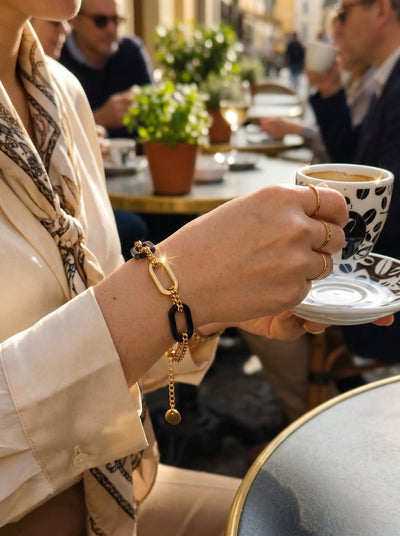
Use this sequence: center line, side balance, wrist finish. The center line is your lariat or drop necklace. Side balance is a compact earring that keeps face framing clean. Wrist finish is a slim chain or subtle texture bracelet that completes the look.
Example formula: Cora-style pendant line + small huggies + flat chain bracelet. If your center line is bold, keep ears smaller. If your center line is subtle, add one stronger hoop profile. This rule prevents visual conflict and keeps the outfit intentional.
Most styling mistakes come from equal visual weight in every zone. You do not need more pieces. You need clearer role assignment between neck, ear, and wrist.
Occasion Mapping: Workday, Weekend, Date Night, Travel
Workday: one refined center drop + compact earrings + one bracelet.
Weekend: keep the same necklace and swap only earrings for fresh mood.
Date night: choose one movement element near face, simplify the rest.
Travel: repeat one lariat, one huggie, one bracelet across multiple outfits.
Events: if neckline has detail, move focus to ears and wrist; if neckline is clean, let the lariat lead.
This map keeps decision fatigue low and helps you wear more of what you already own.
Common Mistakes (and Fast Fixes)
Mistake 1: Pairing similar necklace lengths. Fix: keep 2-inch spacing and one clear center drop.
Mistake 2: Too many focal elements. Fix: one hero motif per look.
Mistake 3: Ignoring neckline geometry. Fix: match drop depth to neckline opening.
Mistake 4: Overmatching every piece. Fix: mix one smooth item with one textured item.
Mistake 5: No negative space. Fix: keep one calm zone so details can breathe.
These fixes improve photos, mirror checks, and real-world wearability immediately.
Capsule Plan: 7 Pieces, 14 Days of Looks
If you want the trend to lower stress instead of adding clutter, build a seven-piece mini capsule: two earrings, two necklaces (one lariat + one support chain), two bracelets, one accent detail. That setup gives enough variation for two weeks without repeating the same exact stack.
A weekly rhythm works well: Monday/Thursday polished office formula, Tuesday/Friday personality formula, Wednesday/Saturday statement formula, Sunday reset and care. This turns trend styling into a system, not a daily guess.
Capsule logic is why under-$20 jewelry can look premium. You buy by function, not impulse. One center line piece, one support piece, one contrast piece per category. Fewer duplicates, more outfit range.
Shopping Rules to Avoid Overbuying
Before checkout, classify each item as anchor, support, or accent. If two items solve the same role with similar shape, keep one. That filter prevents duplicate carts and keeps your rotation practical.
Use cost-per-wear logic: can this piece work with workday looks, weekend looks, and one dressier look? If yes, it is core. If not, treat it as an accent purchase.
A strong order ratio is one expressive item + two repeatable basics. You still get novelty, but your wardrobe stays functional for daily life.
One practical shopping framework is a 30-day wear test. Before adding a piece, imagine where it fits in your next four weeks: office days, casual errands, dinners, and one travel or event look. If you cannot place it into at least three of those contexts, it should not be a priority purchase. This small pre-check removes most impulse buys that look exciting in product photos but do not integrate into your real outfit rhythm.
Another useful filter is neckline mapping. Lariat necklaces perform best when they sit cleanly against open necklines, soft V-necks, and button-downs with one or two buttons open. If your wardrobe is mostly high crewnecks or heavy knits, you may need shorter support chains and earring-led formulas more often. Shopping with neckline awareness helps you buy pieces that actually get worn instead of pieces that depend on rare outfits.
You can also protect your everyday by separating trend purchases into two lanes: rotation lane and mood lane. Rotation lane items are high-frequency pieces you can wear at least twice a week. Mood lane items are occasional accents that create novelty. Most carts should stay heavily weighted to rotation lane. That is how under-$20 shopping stays intentional and keeps long-term cost-per-wear low.
If you feel stuck between two similar pieces, choose based on silhouette contrast instead of small detail differences. A slim oval hoop and a chunky square hoop create more styling range than two hoops with almost identical width. The same rule applies to bracelets and necklaces: one smooth line plus one textured line gives more combinations than two smooth lines. Contrast creates versatility.
Finally, build a repeatable maintenance habit alongside buying habits. A quick weekly reset—wipe pieces, separate chains, pre-select three stack formulas—keeps your collection usable. Styling feels easier when pieces are ready to wear, and that readiness reduces emotional impulse purchases. When your existing drawer is organized, you can actually see what role is missing before you buy anything new.
A simple calendar rule can help: wait 30 days before purchasing any second item in the same category. If you already added one necklace, pause before adding another necklace. Use that pause to style your existing pieces with two outfits in front of a mirror. Most of the time, you will realize you needed one balancing earring or bracelet instead of another similar necklace. This tiny delay preserves everyday and produces a stronger, more versatile final capsule.
FAQ: Lariat Necklace Trend April 2026
1) Are lariat necklaces still in style in 2026?
Yes. The modern version is cleaner and more wearable, with one vertical focal line balanced by minimal support pieces.
2) How many pieces should I wear with a lariat?
Usually three to five pieces total works best: one neck hero, one to two ear supports, and one wrist finisher.
3) Is this trend office-appropriate?
Absolutely. Use slimmer center drops and compact earrings for polished, low-distraction workday styling.
4) Can I mix metals with lariat looks?
Yes. Keep one metal dominant, then use a smaller accent metal for contrast without chaos.
5) What is the easiest starter set made for everyday styling?
Start with one center-drop necklace, one compact hoop/huggie, and one slim bracelet you can repeat daily.
References: Who What Wear; Marie Claire; Glamour; Google Trends.