










Jewelry Superstitions and Hidden Meanings You Had No Idea About
HyraModeYou've been wearing that necklace every day for months. But do you know what it's been saying about you?
Jewelry has never been just decoration. For thousands of years, humans have assigned power, protection, luck, and meaning to the metals and stones they wear. Some of these beliefs are ancient. Some are surprisingly modern. And some might make you look at your jewelry drawer a little differently tonight.
Whether you're superstitious, curious, or just looking for a good story to tell at dinner, this guide covers the most fascinating jewelry superstitions and meanings from around the world — plus what your everyday pieces might be silently saying about you.

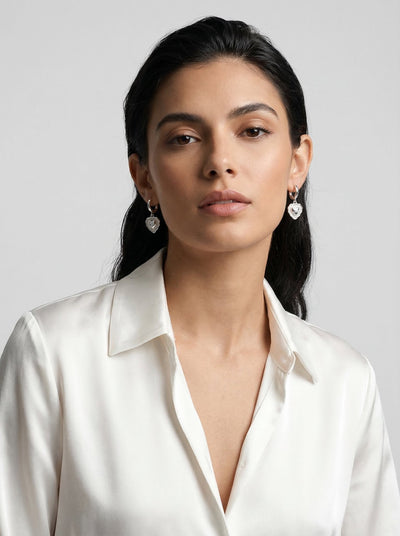
Hearts: More Than Just Romance
The heart symbol in jewelry seems obvious — love, right? But the history is richer than that.
In medieval Europe, heart-shaped jewelry was worn as a protective talisman — believed to guard the wearer's actual heart from illness and emotional harm. Knights would give heart pendants to their partners not just as love tokens, but as literal charms to keep them safe while they were away at war.
Today, a heart necklace still carries that dual meaning. When you give someone a Kaia Heart Key Pendant, you're not just saying "I love you" — you're saying "I want to protect what we have." The key adds another layer: in Victorian symbolism, a key with a heart meant "you hold the key to my heart, and I trust you with it."
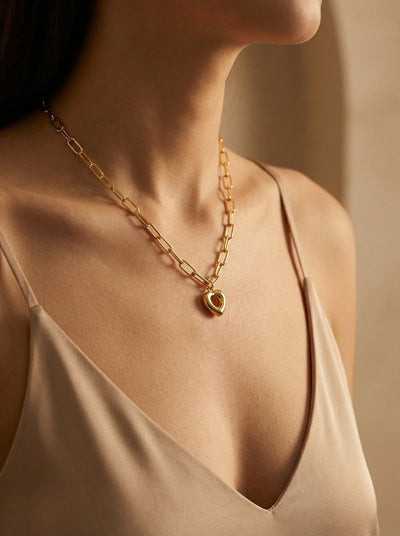
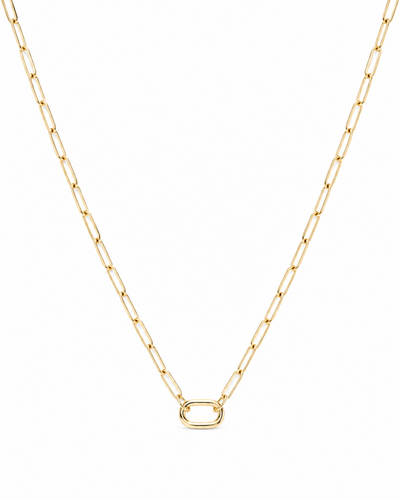
The Remy Paperclip Heart Necklace modernizes this — a heart on a contemporary chain says love doesn't have to look old-fashioned to be meaningful.
Stars: Guidance, Ambition, and Protection
Stars in jewelry are one of the oldest symbols in human adornment. Ancient Egyptians believed star jewelry connected the wearer to the gods. Sailors wore star pendants for navigation — not just metaphorical guidance, but literal direction-finding under night skies.
In modern jewelry symbolism, stars represent:
- Guidance — "I know where I'm going"
- Ambition — "I'm reaching for something bigger"
- Hope — "Even in darkness, there's light"
- Individuality — "I shine on my own terms"
The Stelle Multi-Star Station Necklace carries all of these meanings along its chain. Multiple stars suggest multiple dreams — or multiple people you're guiding and protecting. It's a popular choice for new mothers, graduates, and women starting new chapters.
The Nilo Star Charm Bracelet puts that star energy on your wrist — a constant reminder that you're navigating toward something worth reaching for.

The Sunburst: Life Force and New Beginnings
Sun symbols in jewelry go back to ancient Mesopotamia (3,000+ BCE), where the sun disc represented the god Shamash — protector of truth and justice. In virtually every ancient culture, the sun symbolized life, energy, and renewal.
In modern jewelry:
- A sunburst pendant is one of the most common self-gift purchases for women going through transitions — new jobs, breakups, moves, recovery milestones
- The rays radiating outward symbolize expansion and personal growth
- Gold sunburst jewelry amplifies the meaning because gold itself has been associated with the sun since Egyptian times
The Sola Sunburst Pendant is our most-gifted self-purchase piece. Women buy it for themselves during pivotal moments. It's not "just a necklace" — it's a personal declaration that the next chapter starts now.
Snakes: Transformation, Not Evil
In Western pop culture, snakes get a bad rap. But in jewelry symbolism, the snake is one of the most positive and powerful symbols in history.
- Ancient Greece: The snake represented healing (the Rod of Asclepius — still the medical symbol today)
- Ancient Egypt: Cleopatra wore snake jewelry as a symbol of royalty and divine power
- Victorian England: Prince Albert gave Queen Victoria a snake engagement ring — it symbolized eternal love (a snake eating its tail = infinity)
- Modern symbolism: Transformation, rebirth, shedding old skin
The Evia Reversible Snake Charm Bracelet taps into this rich symbolism. The reversible charm adds another layer: duality. We all have two sides. The snake reminds us that transformation requires embracing both.

Keys: Secrets, Access, and Trust
Key jewelry has been a thing since the Roman Empire, when women wore keys around their necks to show they were trusted keepers of the household. It was a symbol of status — if you wore a key, you had access to something valuable.
The superstitions around keys are fascinating:
- Giving someone a key = giving them your trust (this is why "key to my heart" resonates so deeply)
- A key pointing up = unlocking new opportunities
- A key pointing down = guarding and protecting what's already yours
- In Italian tradition, a key given as a gift is believed to bring good luck in love
The Kaia Heart Key Pendant combines both the heart (protection) and key (trust) into one piece — making it one of the most symbolically loaded everyday necklaces you can wear.

Gold vs Silver: The Superstitious Divide
The choice between gold and silver isn't just aesthetic — different cultures assign different powers to each metal:
Gold superstitions:
- Associated with the sun, masculine energy, and prosperity
- In Hindu tradition, gold is considered sacred and purifying — wearing gold is believed to attract positive energy
- Ancient Egyptians believed gold was the flesh of the sun god Ra
- Modern belief: Many cultures consider it unlucky to buy gold for yourself — it should be gifted for maximum luck
Silver superstitions:
- Associated with the moon, feminine energy, and intuition
- In European folklore, silver was believed to ward off evil spirits (hence "silver bullet")
- In Chinese tradition, silver jewelry on babies is believed to protect against illness
- Modern belief: Silver is considered healing and calming — popular with meditation practitioners
At HyraMode, most pieces come in both gold and silver tones. Your choice might say more about you than you realize. Our skin tone and metal matching guide helps you choose — but maybe your intuition already knows.

Roses: Eternal Love and Secrecy
The rose has been a jewelry motif for centuries, but its meaning has layers most people miss:
- In Roman times, roses were hung from ceilings during private meetings. Anything said "under the rose" (sub rosa) was considered secret and confidential. Rose jewelry became a symbol of discretion and trust.
- In Victorian flower language, different colors meant different things: red = passion, pink = grace, white = purity, yellow = friendship
- A coin with a rose combines two powerful symbols: the durability of metal with the fleeting beauty of a flower
The Rosa Rose Coin Pendant captures this beautifully — a rose preserved in gold. It's the idea that love can be both beautiful and permanent, delicate and durable.
Jewelry Superstitions from Around the World
| Superstition | Origin | Meaning |
|---|---|---|
| Never buy pearls for yourself | European | Pearls represent tears — self-bought pearls bring sadness |
| Never give a watch as a gift | Chinese | "Giving a clock" sounds like "attending a funeral" |
| Wear gold on the right, silver on the left | Ayurvedic | Right = giving energy (sun), Left = receiving energy (moon) |
| A broken clasp means someone is thinking of you | Italian | The energy of their thoughts "pulled" the clasp open |
| Wearing new jewelry on a Saturday brings luck | Indian | Saturday is Saturn's day — associated with stability and karma |
| Heart jewelry should be given, not bought | Victorian | A self-bought heart means "looking for love" |

What Your Everyday Jewelry Says About You (According to Psychologists)
Beyond superstition, psychologists have studied jewelry-wearing patterns. According to research published in the Journal of Consumer Psychology:
- Women who wear the same pieces daily tend to score higher on measures of consistency, loyalty, and emotional stability
- Women who change jewelry frequently tend to be more creative, adaptable, and novelty-seeking
- Wearing jewelry with personal meaning (vs. purely decorative) is correlated with higher self-reported emotional well-being
- The "never take it off" phenomenon — when a piece becomes part of your identity — typically happens within 3-4 weeks of daily wear
This is why the right everyday piece matters so much. It's not just jewelry after three weeks — it's part of who you are. Choose accordingly.
Build your meaningful everyday collection with our collection-building guide.
How to Choose Jewelry by Meaning (Not Just Looks)
Next time you're choosing a piece — for yourself or someone else — consider what it symbolizes:
| If You Want To Say | Choose This Symbol | Our Pick |
|---|---|---|
| "I trust you completely" | Key | Kaia Heart Key |
| "Bright things are ahead" | Sunburst | Sola Sunburst |
| "You're my guiding star" | Stars | Stelle Stars |
| "You're transforming beautifully" | Snake | Evia Snake Bracelet |
| "Our love is timeless" | Rose | Rosa Rose Coin |
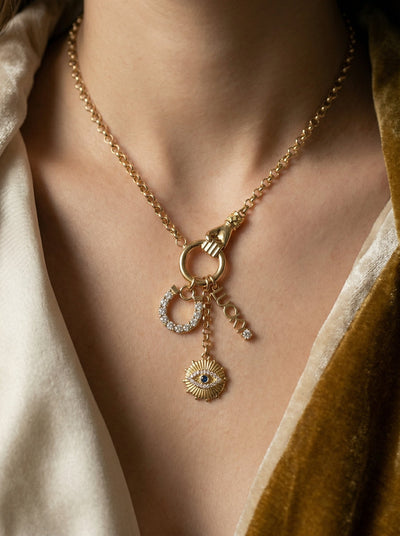
| "I see the mystery in you" | Talisman | Lena Talisman |

According to Vogue, the most stylish women treat jewelry as an extension of their personality rather than a mere accessory.
Harper's Bazaar consistently highlights that quality jewelry styling is about intention and curation, not quantity.
As Who What Wear notes, the modern jewelry philosophy is about building a collection of versatile pieces that reflect your authentic style.
Frequently Asked Questions
What does a heart necklace symbolize?
Love and protection. Historically, heart jewelry was worn as a protective talisman, not just a romantic symbol. A heart pendant says "I love you" and "I want to keep what we have safe." When combined with a key, it adds trust and access.
Is it bad luck to buy jewelry for yourself?
Some traditions say certain pieces (pearls, hearts) should be gifted, not self-bought. But modern interpretation has largely moved past this — self-purchase jewelry is now one of the strongest trends in the industry. Buying yourself a meaningful piece is an act of self-love, not bad luck.
What does star jewelry represent?
Guidance, ambition, hope, and individuality. Stars have been used in jewelry since ancient Egypt as symbols of divine connection. Modern star jewelry is popular for milestone moments — graduations, new beginnings, and personal achievements.
What does snake jewelry mean?
Transformation, rebirth, and eternal love. Despite Western associations with evil, snake jewelry has been overwhelmingly positive throughout history — from Cleopatra's royal serpent to Queen Victoria's snake engagement ring.
Does gold jewelry bring good luck?
Many cultures believe so. In Hindu tradition, gold is sacred and purifying. Ancient Egyptians believed gold connected the wearer to the sun god. Some traditions hold that gifted gold carries more luck than self-purchased — making gold jewelry an especially meaningful present.