










Charm Cluster Necklace Trend April 2026: 10 Personality-Led Layering Looks to Wear on Repeat
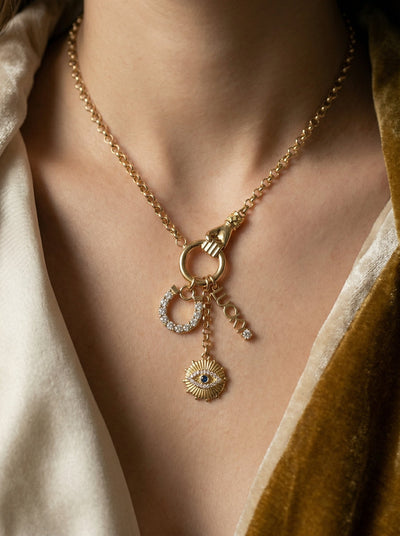
HyraModeCharm cluster necklaces are one of the clearest jewelry shifts in April 2026. Instead of one large statement pendant, people are layering several smaller symbols on one chain—hearts, keys, lockets, lucky tokens, initials, and abstract shapes—to build a look that feels personal and current. You can see this pattern across trend coverage and social saves: expressive details are up, but styling is still edited.
The signal is consistent from ELLE’s April jewelry launches, Marie Claire’s 2026 jewelry trend edit, and National Jeweler’s Pinterest trend report. Add StyleCaster’s trend round-up, and the direction is obvious: personality-first styling is winning, especially pieces that look collected over time.
At HyraMode, this trend fits our DNA perfectly: affordable jewelry that doesn’t feel disposable. You get emotional detail, styling flexibility, and repeat wear without overthinking. This guide gives you 10 practical formulas plus the exact rules that keep charm clusters polished—not cluttered.

Why Charm Cluster Necklaces Are Surging in April 2026
Charm clusters solve a modern styling problem: people want jewelry that feels like identity, not decoration. A single charm can feel too quiet; a heavy statement piece can feel too costume. Clusters sit in the middle. They communicate personality while staying wearable with white tees, denim shirts, slip dresses, and office blazers.
They also perform better in real-world lighting and phone video. Multiple small charms create micro movement and tiny reflections that make simple outfits look intentional. That practical visibility is one reason this trend spreads quickly on Pinterest and short-form platforms: it reads clearly without requiring dramatic clothes.
Most importantly, the trend is modular. You can keep one anchor chain and rotate charm stories by mood—romantic one day, minimal the next, vintage-leaning for dinner. That repeatability is what turns a trend into a habit.
The 2026 Styling Rule: One Story Anchor, Two Supporting Lines
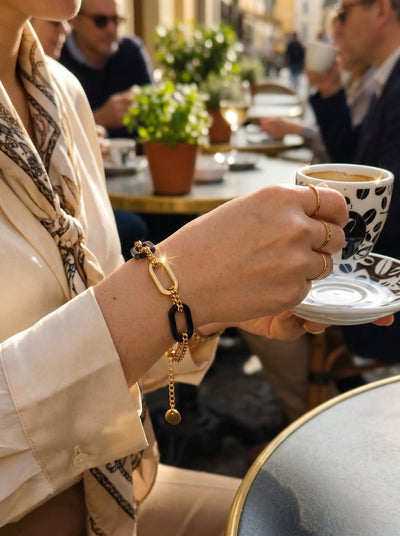
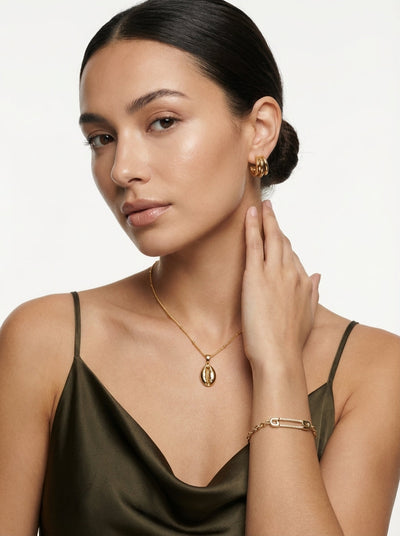
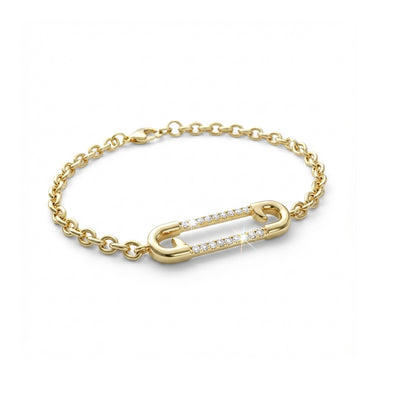
The easiest way to keep charm clusters elevated is to use one story anchor and two supporting lines. Your anchor is the cluster necklace. Support line one is compact ear framing—something like Hex Square Huggie Earrings or Savi Ear Cuff. Support line two is a slim wrist piece, such as Arlo Slim Flat Box Chain Bracelet or Hana Herringbone Flat Chain Bracelet.
This framework protects negative space around your face and collarbone. Without negative space, charm styling can look noisy. With negative space, the same pieces read curated and premium. It is less about buying more and more about editing better.

Formula 1 & 2: Clean Office Story and Soft Weekend Story
Formula 1: Clean Office Story. Use one medium-length charm cluster necklace, one compact huggie, one flat bracelet. Keep your blouse or blazer neckline simple so the cluster is readable. This gives personality without breaking professional polish.
Formula 2: Soft Weekend Story. Keep the same cluster anchor, switch to a movement earring like Gela Huggie Drop Earrings, and add a relaxed denim or knit base. The look feels effortless and modern, not overdone.
If you want a vintage-coded story piece, use Lena Gold Toggle Keeper Victorian Hand Talisman Necklace as your anchor and keep everything else slim. One narrative focal point is always stronger than five competing details.

Formula 3 & 4: Date-Night Contrast and Mixed-Metal Calm
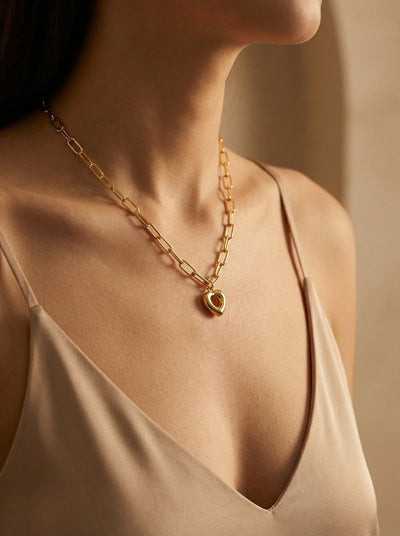
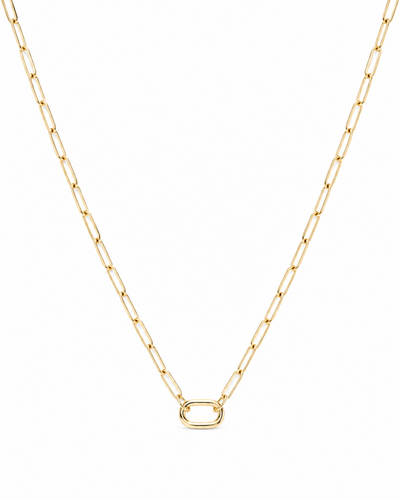
Formula 3: Date-Night Contrast. Pair a romantic cluster with a structured bracelet line. Try Remy Paperclip Chain Heart Necklace with Arlo or Hana to create contrast between softness and geometry. This keeps your look intentional under evening lighting.
Formula 4: Mixed-Metal Calm. Mixed metal still matters in 2026, but the updated version is disciplined: one metal leads, the second accents. Use a gold-led charm cluster and introduce silver in earrings or bracelet only. That keeps the stack modern rather than chaotic.
Need additional visual reference? Use our latest related style guides here: recent trend guide one and recent trend guide two.

Formula 5: The 30-Second Daily Uniform
If you want consistency with zero decision fatigue, run this daily uniform: one charm cluster necklace, one compact earring, one slim bracelet. That is it. You can change mood by rotating only one component—ear shape or bracelet texture—while keeping your anchor chain constant.
This system is why under-$20 jewelry can outperform expensive one-off pieces. You are not paying for one “special event” look; you are building a repeatable structure that works across workdays, errands, coffee meetings, travel, and low-key dinners.
When people say a style looks expensive, they usually mean the wearer has a clear system. Charm clusters help you build that system quickly.

10 Personality-Led Looks made for everyday styling You Can Copy This Week
- Remy cluster + Hex huggies + Hana bracelet (office clean)
- Lena talisman + Savi cuff + Arlo bracelet (vintage-modern)
- Remy + Mevi Dainty CZ Pendant Necklace + compact hoops (date night)
- Gold cluster + silver earring accent + slim bracelet (mixed metal calm)
- Mevi solo + Gela drops + Hana (weekend soft glow)
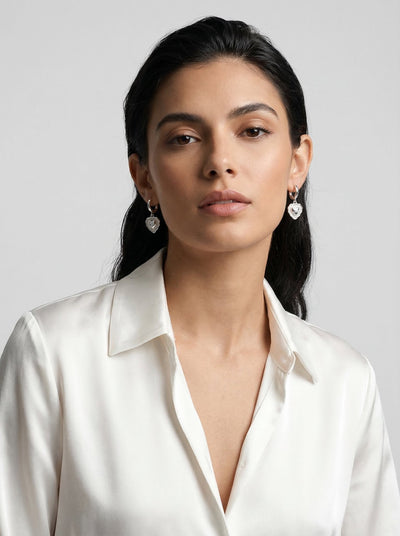
- Cluster anchor + open white shirt + Arlo bracelet (city casual)
- Talisman cluster + black tank + cuff (minimal edge)
- Heart cluster + blazer + flat bracelet (meeting to dinner)
- Cluster + slick bun + compact huggies (face-framing polish)
- Cluster only + one bracelet + no necklace layering (quiet-luxury minimal)
The pattern behind all ten looks is stable: one storytelling anchor, one framing element, one finishing line. Repeat this and your style becomes recognizable with very little effort.

How to Match Charm Clusters to Fabric, Neckline, and Hair
Fabric matters more than people think. Satin and silk amplify movement, so keep charm quantity lower and avoid extra dangling details. Cotton and denim absorb visual noise, so you can carry slightly bolder charm clusters without tipping into clutter. Linen works best with organic, imperfect charm forms and slimmer metal lines.
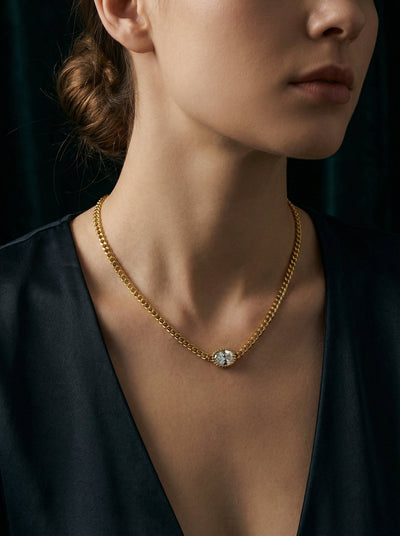
Neckline geometry matters too. Crewnecks usually benefit from slightly shorter clusters and stronger earrings; open collars can handle longer centerline pendants. Hair is the third variable: tucked or tied-back hair gives your earrings room, while loose volume often calls for cleaner ear shapes and stronger necklace clarity.
When these three variables align—fabric, neckline, hair—your jewelry instantly reads intentional. If one variable feels heavy, reduce complexity in the other two zones and your stack instantly cleans up.
How to Make Under-$20 Charm Jewelry Look Premium
Premium perception comes from composition, not price. First, keep spacing visible between charms so each symbol can breathe. Second, repeat one line elsewhere—usually at the wrist—to create structural coherence. Third, avoid stacking too many narrative pieces together. If your necklace tells a story, let your earrings and bracelet be punctuation.
Storage habits matter as much as styling. Keep your weekly rotation visible on a tray so you actually rewear your best formulas. Hidden jewelry boxes create forgotten pieces and random styling. Visible systems create personal signatures.
Wipe chains after wear, separate by role (anchors, supports, accents), and pre-build two combinations for busy mornings. This tiny routine keeps shine, saves time, and improves consistency all week.
Another advanced trick is color-temperature control. Warm gold charm clusters pop on cream, camel, and black basics. Cooler silver accents sharpen blue, gray, and white outfits. If your clothing palette is mixed, keep one metal dominant and use the other as a thin accent line. This is the fastest way to keep mixed-metal charm stacks polished.
Finally, use a weekly styling map: Monday clean office, Tuesday mixed-metal calm, Wednesday pendant-forward, Thursday cuff-forward, Friday date-night contrast, weekend soft story. Repetition with small variation is what transforms trend pieces into true personal style.

Common Mistakes That Make Charm Layers Look Messy
- Using three necklaces at near-identical lengths (high tangle risk)
- Mixing too many large charms without negative space
- Pairing long statement earrings with heavy multi-layer neck stacks
- Ignoring wrist balance, so the look feels top-heavy
- Trying to match every piece perfectly instead of using controlled contrast
The easiest fix is subtraction: remove one item, not add one item. Charm styling almost always improves when you cut one competing element and restore hierarchy.
Remember the hierarchy: anchor, support, finish. Once hierarchy is clear, even easy-to-wear jewelry looks elevated.
If your stack still feels chaotic, check zone density. Face, neckline, and wrist should not all compete at equal intensity. Let one zone lead, one support, and one stay quiet. That single adjustment is the difference between clutter and confidence.
Charm cluster necklaces are trending because they make individuality wearable. Keep the formulas simple, repeat what works, and refine one detail at a time. That’s how under-$20 jewelry becomes your signature.

Frequently Asked Questions
What is a charm cluster necklace in 2026?
A charm cluster necklace groups several small symbols on one chain to create movement and a personal story without heavy styling effort.
How many charms are best for everyday wear?
Three to five charms is usually the sweet spot: visually interesting but still polished with basics.
Can charm clusters work for office outfits?
Yes. Keep the chain medium length, pair with compact earrings, and avoid adding multiple loud layers.
Do mixed metals work with charm cluster styling?
Yes. Let one metal lead, then add one accent metal through earrings or bracelets for controlled contrast.
How can I avoid tangling when layering charm necklaces?
Use two lengths max, vary chain texture, and keep one chain visibly lighter than the anchor chain.
Charm cluster necklaces are trending because they combine emotion, flexibility, and speed. Build one strong anchor, support it with clean lines, and your everyday look stays personal without becoming complicated.