










Charm Bracelet Jewelry Trend April 2026: 10 Personal Layering Looks to Wear on Repeat
HyraModeCharm Bracelet Jewelry Trend April 2026: 10 Personal Layering Looks to Wear on Repeat
The charm bracelet jewelry trend in April 2026 is getting bigger because it does something most trends fail to do: it looks expressive without being hard to style. A charm bracelet gives your outfit personality in one move, then lets you build around it with hoops, pendant chains, or one minimal ring stack. If your closet is built around basics—white tees, denim, black tanks, slip dresses, blazers—charms are the easiest way to make each outfit feel more “you” without over-accessorizing.
Charm styling is also practical. You can keep one base bracelet and rotate what you pair with it, so your jewelry wardrobe feels fresh without buying a completely new set each week. That is why this trend is performing well in both editorial and social discovery channels: shoppers want pieces that feel emotional, but they also want repeat wear and low styling friction. Charms hit that exact sweet spot.
At HyraMode, our angle is simple: under-$20 pieces that still read intentional, polished, and personal. In this guide, you will see the trend signals behind charm bracelets in April 2026, 10 ready-to-copy outfit formulas, an 8-image live product edit (M/D assets), and clear rules to keep your bracelet stack looking curated instead of chaotic.
You can read this as a practical playbook, not a runway fantasy: every formula here is designed for real schedules, repeat outfits, and daily wear comfort, while still giving you that "I thought about this" finish.
Why Charm Bracelets Are Surging in April 2026
After several seasons of “clean girl” minimal accessories, fashion search behavior is shifting toward pieces with narrative and identity. Charms work because they are compact storytelling objects: one symbol can represent a mood, memory, city, hobby, or milestone. That emotional payload makes a small piece of jewelry feel meaningfully different from a generic bracelet.
Styling behavior has also changed. People now build “micro-signatures” rather than full maximal outfits—one element at the wrist, one at the neck, one at the ear. Charm bracelets are ideal for that approach because they anchor the wrist zone without demanding attention from every other zone. You still get a styled look, but with less visual noise and less decision fatigue.
Finally, charms are content-friendly. Close-up wrist shots, mirror selfies, and short-form videos all capture movement and detail at the bracelet level. In social contexts where small details sell, charm bracelets offer high visual return with relatively low price sensitivity.
Trend Signals: Editorial + Pinterest + Search Momentum
April trend coverage continues to favor expressive jewelry categories. Vogue’s spring 2026 jewelry trend roundup highlights statement-forward accessories and personal styling language, signaling a move away from purely minimal formulas. Marie Claire similarly points to sculptural and personality-rich jewelry categories in 2026 style coverage.
Pinterest-linked reporting has reinforced the same direction: high-intent trend terms center around expressive, personal, and collectible jewelry aesthetics. This matters because saves and planning behavior on Pinterest often precede purchase behavior for jewelry, especially in lower-ticket categories where people build looks over time.
At the demand layer, Google Trends shows that “jewelry” query interest remains consistently active in the U.S., creating a favorable backdrop for specific trend content like charm bracelets. When category demand is stable and sub-trend language is rising, intent-focused guides usually outperform broad, generic listicles.
Sources: Vogue, Marie Claire, National Jeweler, Google Trends.
10 Charm-Bracelet Outfit Formulas You Can Copy This Week
1) White tank + charm bracelet + mini hoops: clean, everyday, zero effort.
2) Blue button-down + charm bracelet + flat chain necklace: polished workday formula.
3) Black rib dress + one charm bracelet + drop earrings: low-maintenance date-night energy.
4) Linen set + shell or bead charm + slim anklet: vacation-ready without costume styling.
5) Crewneck knit + mixed-metal charm bracelet + huggies: texture contrast for transitional weather.
6) Oversized blazer + charm bracelet + short pendant: city look with one expressive detail.
7) Denim-on-denim + bracelet stack (2 max): keeps casual outfits from feeling flat.
8) Monochrome outfit + gold charm focal point: instant color/shine anchor.
9) Slip skirt + tee + bracelet + ring: soft minimalism with personality.
10) Weekend athleisure + one charm bracelet: styled but still practical for errands and coffee runs.
If you want complementary neckline ideas, pair this guide with our Layered Pendant Necklaces trend guide and Mixed Metal styling article.
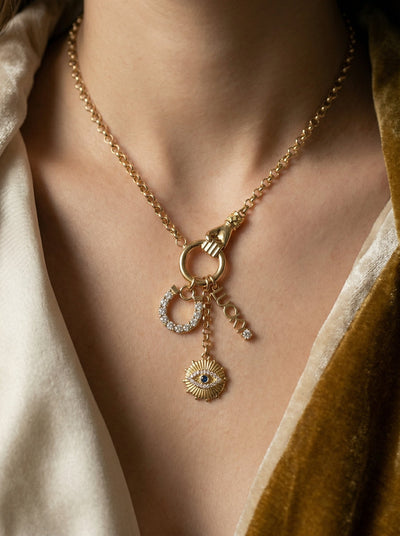
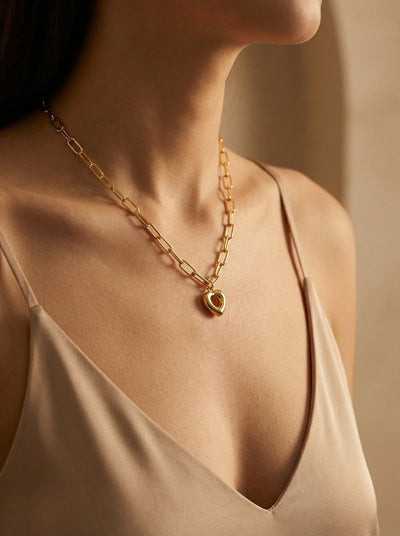
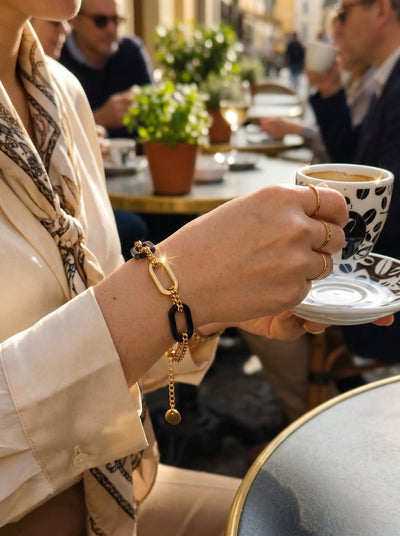
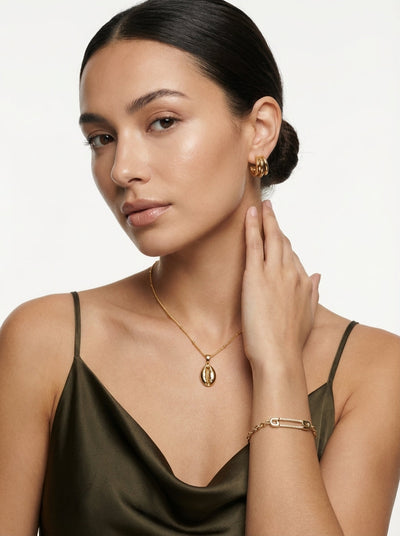
HyraMode Under-$20 Edit: 8 Live M/D Images for the Charm Aesthetic
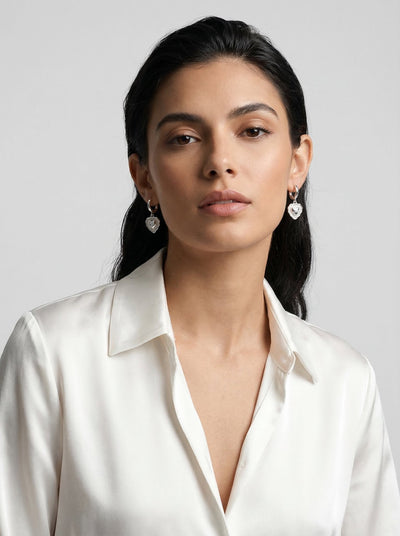
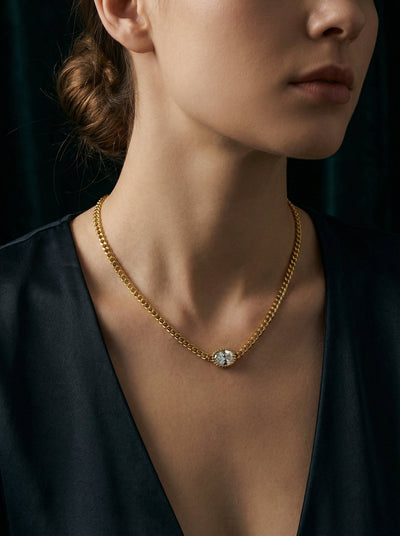
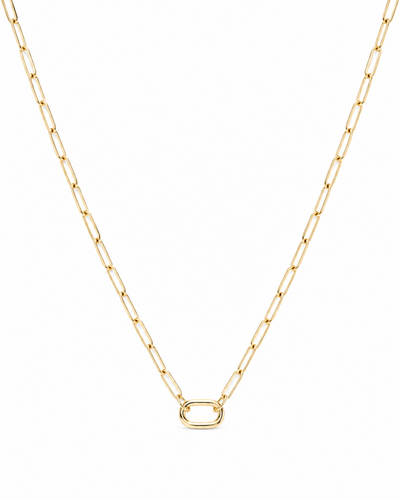
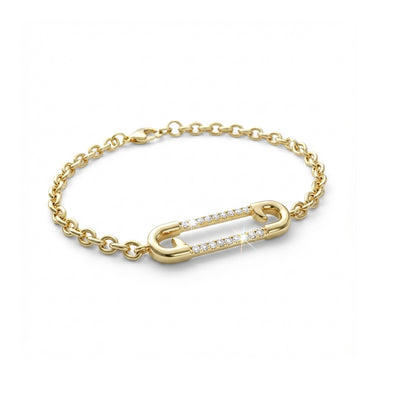
For this post, we selected 8 live body images from Shopify product assets using only M/D image types (no W backgrounds). Selection logic prioritizes images not used in the last 90 days; if inventory pressure appears, older images can be reused while still avoiding recent duplication whenever possible.


How to Build a Charm Stack That Looks Curated (Not Cluttered)
Use the 1-1-1 framework: one focal charm bracelet, one supporting earring shape, one neckline element. Most people over-layer because each individual piece feels small. The fix is hierarchy. Decide what zone leads first (wrist, neck, or ear), then keep the other zones quieter.
At the wrist, keep contrast deliberate. If your bracelet has organic shapes or beads, pair it with cleaner lines elsewhere. If your charm is sleek metal, you can introduce softer textures in fabric and silhouettes. Think in terms of balance, not matching: smooth vs textured, small vs fluid, matte vs reflective.
The result should feel intentional from three feet away. If the look only works in a close-up mirror shot but feels noisy at normal distance, remove one element and reset.
Charm Bracelet + Neckline Pairings That Always Work
Crewneck: let the bracelet lead; keep necklace short and simple.
V-neck: add a slim pendant to echo the neckline angle while the charm anchors the wrist.
Square neck: geometric earrings pair well; keep bracelet detail medium, not oversized.
Button-down: one open-button pendant plus a single charm bracelet creates a polished casual frame.
Strapless/off-shoulder: bracelet can carry more personality since neckline is visually open.
This pairing method is useful because it removes guesswork. Instead of styling from scratch every day, you map the bracelet to your top shape and build from there.
Occasion Styling: Work, Weekend, Date Night, and Travel
Work: one bracelet + compact hoops + clean chain necklace. No jingling stack, no distractions.
Weekend: one expressive charm + relaxed fabrics + easy sneakers or sandals. Casual but intentional.
Date night: keep wrist expressive and earrings fluid; skip extra rings if you want cleaner balance.
Travel: bring two bracelets total (one charm, one minimal) and rotate across outfits for maximum reuse.
Events: if dress details are heavy, reduce charm count; if outfit is minimal, let the bracelet do more.
Context-first styling protects repeat wear. It also improves cost-per-wear, especially in the under-$20 range where small tweaks can create many unique combinations.
Common Mistakes That Make Charm Looks Feel lower-quality (and How to Fix Them)
Mistake 1: Too many competing charms at once. Fix: one focal charm, one supporting texture.
Mistake 2: No spacing between bracelet and watch. Fix: leave a small gap so each element reads clearly.
Mistake 3: Ignoring sleeve shape. Fix: push or cuff sleeves so bracelet details stay visible.
Mistake 4: Random metal mixing. Fix: keep a dominant tone ratio (about 70/30).
Mistake 5: Same exact formula daily. Fix: rotate one variable each day—earring shape, necklace length, or bracelet texture.
Charm styling should look effortless, not accidental. Small structural choices make a bigger difference than buying more pieces.
Care Rules to Keep Under-$20 Charm Pieces Looking Fresh
Wipe bracelets after wear to remove lotion, sunscreen, and skin oils. Store pieces flat or separated so charms do not scratch each other. For travel, use divided pouches instead of one catch-all bag. If a bracelet includes moving links or small pendants, avoid sleeping or exercising in it to reduce wear stress over time.
For plated pieces, consistency beats intensity: gentle care after each wear does more than occasional deep cleaning. Keep fragrance and hair products on skin/clothes first, then put on jewelry last. This simple sequencing helps preserve shine and surface quality.
Humidity management also matters more than people expect. If you live in a warm or coastal climate, keep bracelets away from steamy bathrooms and store them in a dry drawer or pouch after wear. Tiny daily exposure to moisture can dull shine faster than occasional heavy wear. A low-effort fix is to keep a soft cloth in your jewelry tray and do a quick 10-second wipe before storage.
Another practical habit is weekly rotation auditing. Lay out what you wore this week, then identify which bracelet combination felt easiest and got compliments. Keep that as your “default stack,” then test one new variable next week—a different earring, a shorter necklace, or one additional texture. This keeps your style evolving without turning every morning into a full styling project.
If you rotate three pre-built sets (work/casual/night), you will reduce friction, extend piece life, and keep your personal style coherent through the week. Over one month, this method usually creates better repeat wear and stronger outfit consistency than buying random new items that never form a clear formula.
FAQ: Charm Bracelet Jewelry Trend April 2026
1) Are charm bracelets still in style in 2026?
Yes. They are trending because they combine personal expression with easy everyday styling.
2) How many charms should I wear on one bracelet?
For most outfits, one to three visual points is enough to keep the look clean and intentional.
3) Can I mix charm bracelets with watches?
Yes—leave a small wrist gap and keep one side visually dominant so the look does not feel crowded.
4) What is the easiest starter formula?
One charm bracelet, one pair of mini hoops, and one slim necklace gives a balanced first stack.
5) How do I make under-$20 jewelry look elevated?
Use hierarchy, texture balance, and repeatable outfit formulas; styling structure matters more than price.
References: Vogue; Marie Claire; National Jeweler; Google Trends.