




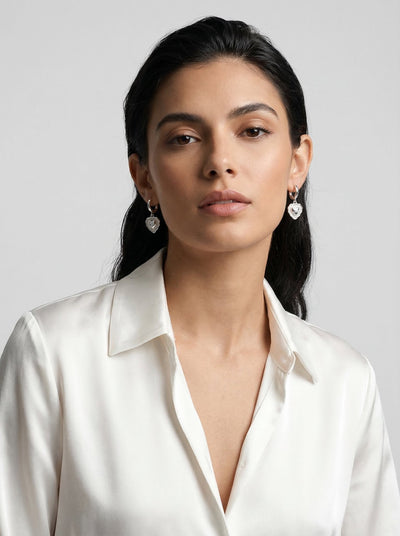


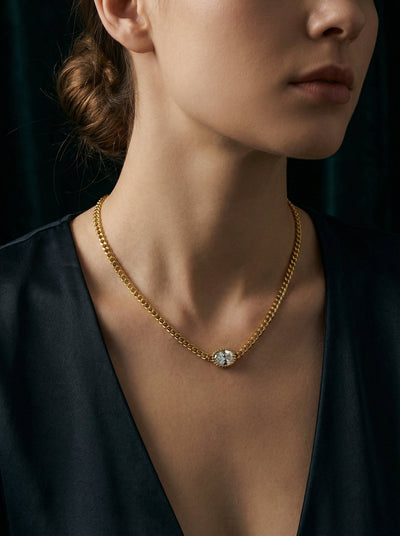


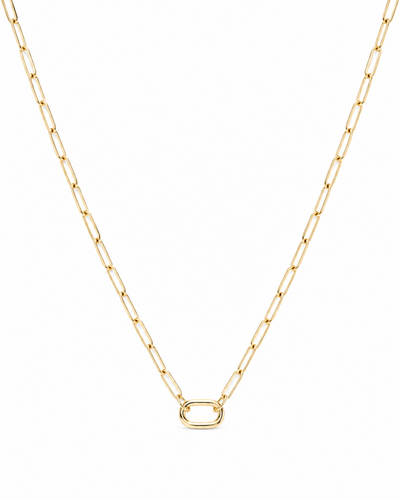


Anklet Meaning: What Wearing an Ankle Bracelet Really Symbolizes in 2026
HyraModeFew pieces of jewelry carry as much quiet mystique as the anklet. People have been whispering about what it "means" for centuries — and in 2026, the conversation is still going strong.
If you have ever Googled "what does an anklet mean" or "which foot should I wear an anklet on," you are not alone. The anklet is one of the most searched-about pieces of jewelry in the world, and the reason is simple: it has always lived at the intersection of fashion, culture, superstition, and personal expression.
This guide separates the myths from the facts, explores the historical and cultural symbolism of anklets, and explains what wearing one actually means in modern life.

The History of Anklets: Older Than You Think
Anklets are one of the oldest forms of jewelry in human history. Archaeological evidence shows ankle bracelets being worn as far back as ancient Sumeria (4500 BCE), ancient Egypt, and the Indus Valley civilization.
Throughout history, anklets have served many purposes:
- Ancient Egypt: worn by women of all social classes as symbols of wealth and status
- India: anklets (called payal) are deeply embedded in wedding traditions and classical dance
- Ancient Rome: anklets were worn by both slaves (to indicate status) and wealthy women (as decoration)
- Middle East: gold and silver anklets were given as part of dowries and wedding gifts
- Western fashion (1950s-1970s): anklets became associated with beach culture, bohemian style, and self-expression
The anklet has always been a piece that carries cultural weight beyond its size.
What Does an Anklet Mean Today?
In 2026, the meaning of an anklet is almost entirely personal. Unlike historical contexts where anklets carried strict social or marital signals, modern anklet wearing is about self-expression, style, and subtle sensuality.
Common modern meanings:
- Confidence: drawing attention to the ankles and legs is a subtle but intentional style choice
- Freedom: anklets are associated with summer, travel, bare feet, and carefree energy
- Femininity: the delicate movement of a chain at the ankle reads as graceful and feminine
- Personal style: wearing an anklet signals that you pay attention to details others might overlook
- Relationship status: in some subcultures, anklets can signal that the wearer is in a relationship or open to connection — but this is not universal
The most honest answer: in 2026, an anklet means whatever you want it to mean. The old "rules" about what it signals are largely myths.

Left Foot vs Right Foot: Does It Matter?
This is the most searched question about anklets — and the answer depends on who you ask.
The Cultural Perspective
In some Indian traditions, married women wear anklets on both feet. In certain Western subcultures, wearing an anklet on the left foot has been associated with being in a relationship, while the right foot has been associated with being single or open. But these are informal, community-specific conventions — not universal rules.
The Fashion Perspective
In modern fashion, there is no rule about which foot to wear an anklet on. Most people wear it on whichever ankle feels more comfortable or looks better with their outfit. Some wear it on the ankle that is more visible when they cross their legs.
The Bottom Line
Wear it on whichever foot you prefer. Unless you are specifically following a cultural or community tradition, the left-vs-right distinction is largely an internet myth in 2026.
The "Anklet Myths" That Need to Die
The internet has created several myths about anklet wearing that cause unnecessary anxiety. Let us address them directly:
Myth: "An anklet means you are in an open relationship."
Reality: This is a niche subcultural convention that has been wildly overgeneralized online. For the vast majority of people, an anklet is a fashion accessory. Period.
Myth: "Only certain types of women wear anklets."
Reality: Anklets have been worn across every culture, class, age group, and relationship status for thousands of years. There is no "type."
Myth: "Anklets are outdated."
Reality: Anklets are having a major resurgence in 2026, driven by summer styling, beach culture, and the broader trend toward delicate, meaningful jewelry.

Anklet Symbolism by Material
The material of your anklet can add another layer of meaning:
- Gold anklets: wealth, warmth, celebration — traditionally the most significant in Indian, Egyptian, and Middle Eastern cultures
- Silver anklets: purity, protection, moon energy — common in bohemian and spiritual styling
- Beaded anklets: creativity, earthiness, beach culture — popular in coastal and festival styling
- Chain anklets: modern, minimal, fashion-forward — the dominant anklet style in 2026
- Charm anklets: personal meaning — stars, hearts, shells, initials, or symbolic motifs
Anklets in Modern Fashion: How to Wear Them in 2026
The modern anklet is not the heavy jingle chain of the 1990s. In 2026, the trend is dainty, minimal, and intentional.
Best anklet styles for 2026:
- Fine gold or silver chain — barely visible, incredibly chic
- One small charm (star, heart, butterfly) — adds meaning without bulk
- Flat box chain or herringbone — catches light beautifully at the ankle
Best outfits for anklets:
- Cropped jeans or ankle-length pants
- Sandals, open-toe shoes, or bare feet
- Midi and maxi skirts with a slit
- Shorts and sundresses in summer
- Any outfit where the ankle is visible
The anklet works when it is a discovered detail — something noticed up close, not something competing with the rest of the outfit.

Can You Wear a Bracelet as an Anklet?
Yes — if the length works. Many chain bracelets with adjustable lengths can double as anklets. The key is to ensure the chain is long enough to sit comfortably at the ankle without being too tight.
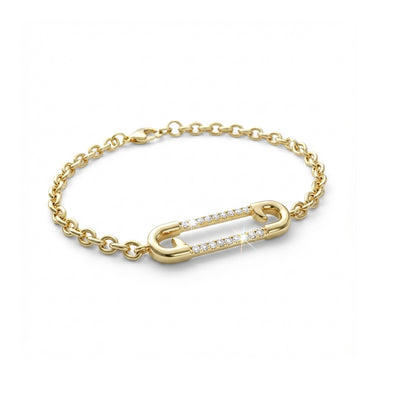
Bracelets like the Arlo Slim Flat Box Chain, the Luna Safety Pin Chain, and the Nilo Star Charm Bracelet can all be worn at the ankle if the size allows.
Anklets and Body Confidence
There is a reason anklets feel different from other jewelry. They draw attention to a part of the body that is often overlooked — the ankle, the foot, the lower leg. Wearing an anklet is a small act of body confidence. It says "I am comfortable enough in my own skin to adorn a part of myself that most people ignore."
This is part of why anklets have such strong emotional resonance. They feel intimate. They feel personal. And they feel like a secret you are choosing to share with the world.
Anklet Care: How to Keep It Beautiful
Anklets face more environmental stress than almost any other jewelry piece. They are closer to the ground, exposed to shoes, sand, water, and constant friction.
Best practices:
- Choose waterproof materials (18k Gold PVD on stainless steel) so you never have to remove it
- Avoid very delicate chains that can break under tension from shoes or sandal straps
- Clean regularly — anklets collect more dirt and product buildup than wrist jewelry
- Check the clasp weekly to ensure it is secure

The Emotional Power of the Anklet
Of all jewelry types, the anklet is perhaps the most personally expressive. Necklaces are seen by everyone. Earrings frame the face. Rings make public statements. But an anklet is often seen only by you, noticed only in intimate moments, and meaningful in a way that has nothing to do with status or display.
That is why anklet wearing endures. It is not about showing off. It is about adorning yourself for the quiet pleasure of knowing it is there.
Conclusion: An Anklet Means What You Decide It Means
The real meaning of an anklet in 2026 is not dictated by history, culture, or internet myths. It is dictated by you.
If you wear it for confidence, it means confidence. If you wear it for a memory, it means that memory. If you wear it because you like the way a gold chain looks against your skin in summer, that is the most valid meaning of all.
An anklet is one of the few pieces of jewelry that exists purely for the wearer. That is its real power.

The anklet is proof that the most meaningful jewelry is sometimes the most hidden.
Wear it for yourself. Let the meaning follow.
In a world of visible accessories and public styling, the anklet remains the jewelry that exists for the wearer first and the audience second. That is exactly what makes it irreplaceable.
That quiet confidence is what makes the anklet timelessly powerful.
According to Vogue, bracelets are the most underrated jewelry category—subtle but impactful in every gesture you make.
Harper's Bazaar notes that the bracelet stacking trend continues to evolve with mixed textures and metals.
Who What Wear recommends building a bracelet collection around one anchor piece and layering from there.
Frequently Asked Questions
What does wearing an anklet mean?
In 2026, it primarily means personal style, confidence, and subtle self-expression. Historical and cultural meanings vary, but modern anklet wearing is almost entirely a fashion and personal choice.
Which foot should I wear my anklet on?
Whichever foot you prefer. The left-vs-right distinction is largely an internet myth in modern fashion. Wear it on the ankle that feels most comfortable or visible.
Does an anklet mean you are in a relationship?
No — not in mainstream fashion. This is a niche subcultural convention that has been overgeneralized online. For most people, an anklet is simply a style choice.
Are anklets still in style in 2026?
Yes. Dainty gold and silver chain anklets are having a major resurgence, driven by summer styling and the trend toward delicate, meaningful jewelry.
Can I wear a bracelet as an anklet?
Yes, if the chain is long enough. Many adjustable chain bracelets can double as anklets. Choose flat or box chains for the best comfort at the ankle.