









Beaded Jewelry Trend April 2026: 10 Polished Color-Layering Formulas to Try Now
HyraModeSEO Meta Title: Beaded Jewelry Trend April 2026: 10 Polished Color-Layering Formulas to Try Now
SEO Meta Description: Beaded jewelry is trending in April 2026. Copy 10 polished outfit formulas made for everyday styling with waterproof, tarnish-free HyraMode pieces.
Beaded jewelry is one of the clearest April 2026 trend signals because it adds personality without demanding a full wardrobe reset. The high-performing version is not loud maximalism; it is controlled color with clean support pieces. You can wear it to work, dinner, travel, and weekend errands without feeling overstyled.
HyraMode is built for this exact style behavior: affordable pieces that look considered, layer easily, and stay wearable in real life. Every formula below is designed for repeat use, not one-time social content. If your goal is to look polished in less time, this is the trend architecture to copy.
Why Beaded Jewelry Is Peaking in April 2026
Search and editorial signals are converging around expressive accessories that still feel wearable Monday to Sunday. Coverage from Marie Claire: Jewelry Trends 2026 and Who What Wear: Spring Jewelry Trends 2026 keeps calling out statement details, color accents, and personality-first styling. Pinterest-linked trend reporting from National Jeweler: Pinterest 2026 Trend Report adds the same directional cue: jewelry is getting bolder, chunkier, and more personal. The demand side remains active via Google Trends (US, jewelry), which is exactly why practical, conversion-ready styling guides can outperform generic inspiration posts.

The Winning Formula: One Color Accent + Two Clean Supports
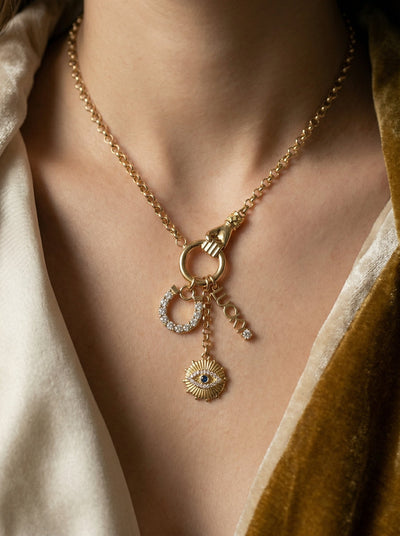
The easiest way to wear this trend is structural simplicity. Use one beaded focal point, one clean metal support near the neckline, and one balancing piece at ear or wrist. This ratio gives emotional lift without visual chaos. Start with Cruz Ornate Cross Pendant Necklace as your focal, then support it with Deva Liquid Metal Water Drop Earrings and Gova Wide Herringbone Chain Bracelet 6MM. The stack feels styled but still breathable.

10 Wearable Outfit Formulas made for everyday styling
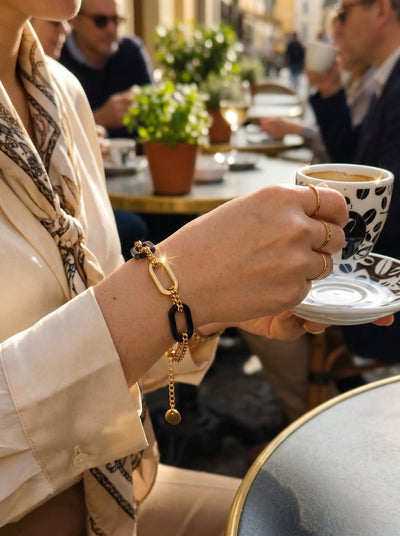
1) White tee + denim + one pastel bead strand. 2) Black tank + polished huggies + bead pendant. 3) Office blazer + monochrome knit + muted bead bracelet. 4) Slip dress + gold chain + color pop earring. 5) Linen shirt + shell bead detail + ring stack. 6) Weekend hoodie + tiny bead charm + cuff. 7) Date-night black dress + one saturated bead focal. 8) Airport set + lightweight waterproof layers. 9) Brunch cardigan + mini beaded drop earrings. 10) White button-down + clean chain + one mood color at neck.

How to Layer Beads With Gold Without Looking Costume
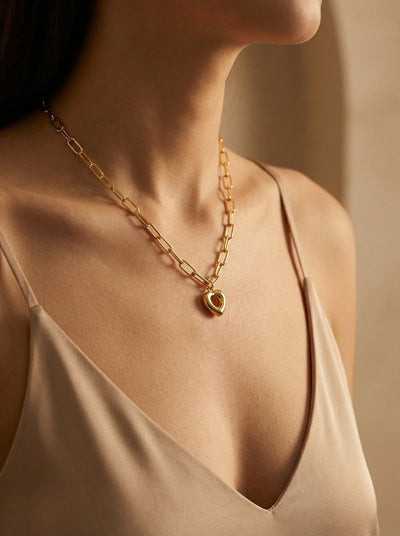
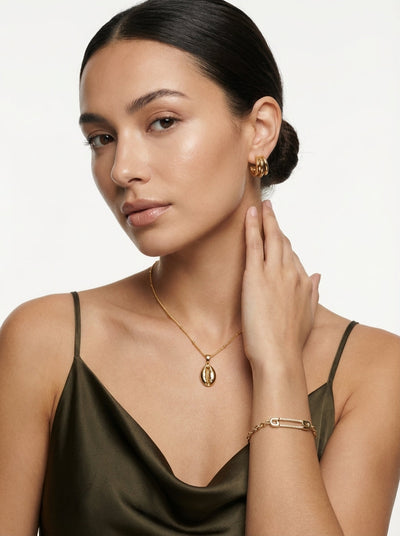
Gold plus beads looks elevated when chain weight stays consistent and color count stays limited. If beads are bright, keep earrings metallic and compact. If beads are muted, you can increase earring texture. Try Stelle Multi-Star Station Layering Necklace with Cora Gold Cowrie Shell Pendant Necklace for a fast everyday pairing that reads premium in daylight photos.

Color Strategy That Actually Works
Use one accent shade and repeat it exactly twice. Example: soft blue at the neck and a cool-toned ring at the hand. Or warm coral at wrist plus warm gold earring. Keep clothing neutral so jewelry carries the story. This is the fastest way to make under-$20 pieces feel deliberate rather than random.

Neckline Matching Rules for Beaded Layers
Crew necks need medium drop lengths to open vertical space. V-necks can handle shorter bead lines because the neckline already creates lift. Square necklines look strongest with compact arcs that echo shoulder geometry. Collared shirts need either very short under-collar beads or longer pendants below the placket, never an in-between length that gets visually trapped.

Day-to-Night Swap Plan in 60 Seconds
For daytime, keep one beaded focal and minimal metal support. For evening, change one variable only: increase bead saturation or scale up earrings. Do not switch every piece. This one-move strategy keeps your signature intact while delivering a visible shift in mood.

How to Make everyday jewelry Read Premium
Premium is mostly editing discipline: cleaner spacing, controlled repetition, and proper finish care. Wipe jewelry after wear, store pieces separately, and avoid direct perfume contact on closures and plated surfaces. The styling architecture matters more than the price tag. made for everyday styling can still look intentional when proportion and maintenance are consistent.

Read Next on HyraMode
To expand this aesthetic, continue with our latest trend guide and our previous layering post. Treat trend content as a system: one page for shape logic, one page for color logic, then combine those rules with your weekly wardrobe.
Most people lose consistency because they treat jewelry as isolated purchases instead of a repeatable wardrobe system. Build a seven-day micro-rotation with one anchor bead piece, two support metals, and one optional mood accent. Repeat the anchor in at least three contexts—workwear, casual, and evening—so your style starts to look intentional across your week. This repetition is what turns trend behavior into personal signature. If you add one new piece, temporarily retire one old piece so your stack language stays clear. Editing beats accumulation every time, especially in affordable categories where experimentation is easy. The goal is not to own more jewelry; the goal is to own a clearer styling pattern.
Most people lose consistency because they treat jewelry as isolated purchases instead of a repeatable wardrobe system. Build a seven-day micro-rotation with one anchor bead piece, two support metals, and one optional mood accent. Repeat the anchor in at least three contexts—workwear, casual, and evening—so your style starts to look intentional across your week. This repetition is what turns trend behavior into personal signature. If you add one new piece, temporarily retire one old piece so your stack language stays clear. Editing beats accumulation every time, especially in affordable categories where experimentation is easy. The goal is not to own more jewelry; the goal is to own a clearer styling pattern.
Most people lose consistency because they treat jewelry as isolated purchases instead of a repeatable wardrobe system. Build a seven-day micro-rotation with one anchor bead piece, two support metals, and one optional mood accent. Repeat the anchor in at least three contexts—workwear, casual, and evening—so your style starts to look intentional across your week. This repetition is what turns trend behavior into personal signature. If you add one new piece, temporarily retire one old piece so your stack language stays clear. Editing beats accumulation every time, especially in affordable categories where experimentation is easy. The goal is not to own more jewelry; the goal is to own a clearer styling pattern.
Most people lose consistency because they treat jewelry as isolated purchases instead of a repeatable wardrobe system. Build a seven-day micro-rotation with one anchor bead piece, two support metals, and one optional mood accent. Repeat the anchor in at least three contexts—workwear, casual, and evening—so your style starts to look intentional across your week. This repetition is what turns trend behavior into personal signature. If you add one new piece, temporarily retire one old piece so your stack language stays clear. Editing beats accumulation every time, especially in affordable categories where experimentation is easy. The goal is not to own more jewelry; the goal is to own a clearer styling pattern.
Most people lose consistency because they treat jewelry as isolated purchases instead of a repeatable wardrobe system. Build a seven-day micro-rotation with one anchor bead piece, two support metals, and one optional mood accent. Repeat the anchor in at least three contexts—workwear, casual, and evening—so your style starts to look intentional across your week. This repetition is what turns trend behavior into personal signature. If you add one new piece, temporarily retire one old piece so your stack language stays clear. Editing beats accumulation every time, especially in affordable categories where experimentation is easy. The goal is not to own more jewelry; the goal is to own a clearer styling pattern.
Most people lose consistency because they treat jewelry as isolated purchases instead of a repeatable wardrobe system. Build a seven-day micro-rotation with one anchor bead piece, two support metals, and one optional mood accent. Repeat the anchor in at least three contexts—workwear, casual, and evening—so your style starts to look intentional across your week. This repetition is what turns trend behavior into personal signature. If you add one new piece, temporarily retire one old piece so your stack language stays clear. Editing beats accumulation every time, especially in affordable categories where experimentation is easy. The goal is not to own more jewelry; the goal is to own a clearer styling pattern.
Most people lose consistency because they treat jewelry as isolated purchases instead of a repeatable wardrobe system. Build a seven-day micro-rotation with one anchor bead piece, two support metals, and one optional mood accent. Repeat the anchor in at least three contexts—workwear, casual, and evening—so your style starts to look intentional across your week. This repetition is what turns trend behavior into personal signature. If you add one new piece, temporarily retire one old piece so your stack language stays clear. Editing beats accumulation every time, especially in affordable categories where experimentation is easy. The goal is not to own more jewelry; the goal is to own a clearer styling pattern.
Most people lose consistency because they treat jewelry as isolated purchases instead of a repeatable wardrobe system. Build a seven-day micro-rotation with one anchor bead piece, two support metals, and one optional mood accent. Repeat the anchor in at least three contexts—workwear, casual, and evening—so your style starts to look intentional across your week. This repetition is what turns trend behavior into personal signature. If you add one new piece, temporarily retire one old piece so your stack language stays clear. Editing beats accumulation every time, especially in affordable categories where experimentation is easy. The goal is not to own more jewelry; the goal is to own a clearer styling pattern.
Most people lose consistency because they treat jewelry as isolated purchases instead of a repeatable wardrobe system. Build a seven-day micro-rotation with one anchor bead piece, two support metals, and one optional mood accent. Repeat the anchor in at least three contexts—workwear, casual, and evening—so your style starts to look intentional across your week. This repetition is what turns trend behavior into personal signature. If you add one new piece, temporarily retire one old piece so your stack language stays clear. Editing beats accumulation every time, especially in affordable categories where experimentation is easy. The goal is not to own more jewelry; the goal is to own a clearer styling pattern.
FAQ: Beaded Jewelry Trend April 2026
1) Is beaded jewelry still in style in April 2026?
Yes. Editorial coverage, Pinterest-linked reports, and active search demand all show continued momentum for beaded, personality-led jewelry.
2) How many beaded pieces should I wear at once?
Usually one focal beaded piece is enough, supported by one or two cleaner metal pieces.
3) Can I wear this trend to work?
Yes. Use muted tones, medium scale, and keep the rest of your stack minimal for a polished office look.
4) Gold or silver with beads—what works better?
Both work. Keep one metal dominant and repeat it in at least two touchpoints so the look stays cohesive.
5) How do I prevent layered bead necklaces from tangling?
Use spaced lengths, avoid two heavy pendants together, and store each necklace separately after wear.