










The Ultimate Guide to Mixing Silver and Gold Jewelry
Hyra Mode TeamFor years, the "rule" was simple: pick a metal and stick with it. Silver or gold. Never both. But somewhere along the way, the most stylish women quietly broke that rule — and the result looked better than anyone expected.
Mixing silver and gold isn't just acceptable anymore. It's a power move. Here's how to do it with intention.
Why Mixed Metals Work
Think about it: your life isn't one-dimensional, so why should your jewelry be? Silver is cool, modern, and minimal. Gold is warm, rich, and classic. Together, they create a visual tension that feels effortlessly cool — like you didn't try too hard, but you clearly know what you're doing.
Mixed metals also solve a practical problem: you never have to worry about matching. Got a gold necklace you love and silver earrings that are perfect? Wear both. The "rules" were always someone else's anxiety, not yours.
Method 1: The Anchor Piece Approach
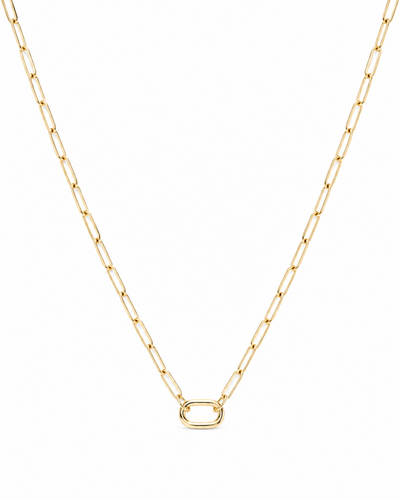
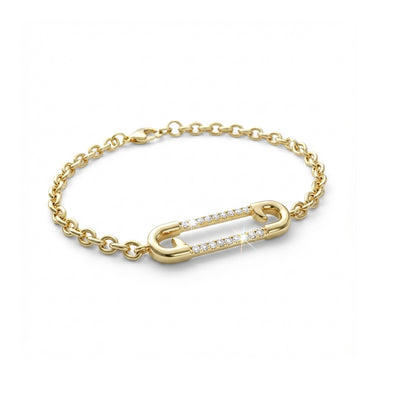
Start with one dominant metal and accent with the other. If you're wearing mostly gold — gold hoops, gold chain necklace — add a single silver bracelet. The silver becomes the unexpected detail, the thing that makes people look twice.
This is the easiest way to start mixing metals if it still feels a little rebellious. One anchor, one accent. Simple.
Method 2: The 60/40 Split
Go heavier on one metal, lighter on the other. Maybe 60% gold, 40% silver — or vice versa. This isn't an exact science; it's a feeling. You want one metal to lead and the other to support. The result feels balanced without being symmetrical, which is exactly what makes it look intentional.
Our Pick: The Rosa Rose Coin Pendant Necklace ($26.90) is perfect for this look.
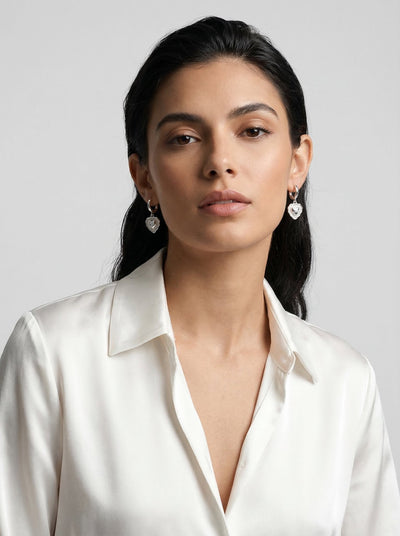
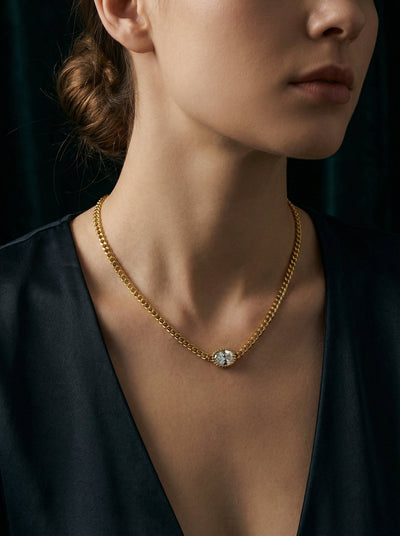
Example: Gold hoop earrings + gold pendant necklace + silver chain necklace layered underneath + silver bracelet. The gold leads, the silver supports. Effortless.
Method 3: The Mixed-Metal Piece
The easiest cheat code? One piece that already combines both metals. A necklace with both silver and gold tones, or layered bracelets in alternating metals, does the mixing for you. Then whatever else you add — in either metal — automatically looks coordinated.
Method 4: Zone It
Assign each metal to a body zone. Gold on the ears, silver on the neck. Or silver on the wrists, gold everywhere else. This creates a sense of intentional placement — like you mapped out your metals with a plan (even if you didn't).
Zoning is particularly great for people who love structure. It gives you a framework while still breaking the old "one metal only" rule.
Method 5: The Stacking Strategy
When you're layering necklaces or stacking bracelets, alternate metals within the stack. Gold chain, silver chain, gold pendant. Silver bangle, gold bangle, silver cuff. The alternation creates rhythm and visual interest — your jewelry tells a story instead of just sitting there.
What NOT to Do
Honestly? There aren't many hard rules here. But a few things to keep in mind:
- Don't stress about matching your jewelry to your clothing hardware (zippers, buttons, belt buckles). That level of coordination looks uptight, not stylish.
- Avoid exactly 50/50 splits. A perfect even split can look indecisive. Let one metal dominate slightly.
- Don't overthink it. The whole point of mixed metals is that it looks relaxed and confident. If you're agonizing over whether your bracelet "matches," you're missing the vibe.
The Real Rule
The only real rule is confidence. Mixed metals look amazing when you wear them like you meant it. Stand in front of the mirror, look at the combination, and ask yourself one question: Do I feel good? If yes, you're done. Walk out the door.
Ready to mix it up? Browse our earrings and necklaces in both gold and silver tones. See product pages for current prices. U.S. standard shipping is free, with no minimum purchase.